
Vandaag of morgen in huis

Kwaliteit gegarandeerd

Welkomstaanbiedingen ontgrendelen: GRATIS bezorging | Tot 80% korting | Gratis 30 dagen JoyPlus-proefperiode
Download de app
A good hiking backpack is the foundation of any successful outing. Whether you're taking a short walk, planning an intensive trail run, or preparing for a multi-day trek, the right pack makes all the difference between comfort and discomfort. However, the market is vast, and the specifications can be overwhelming.
This article serves as a practical guide. We'll help you understand the key features and highlight some popular choices, so you can find a hiking backpack that perfectly matches your plans.
Before making a choice, it's important to consider a few key points. These will determine which backpack is most suitable for your needs.
A backpack's capacity is measured in litres. The required volume depends entirely on the duration and type of your trip.
A backpack can have all the best features, but if it isn't comfortable, it's of little use. Pay attention to the following elements:
The material determines the pack's durability and weather resistance. A waterproof outdoor backpack is ideal for unpredictable weather, but many backpacks are water-repellent and come with a separate rain cover. Also, look for practical features like side pockets for water bottles, a hip belt pocket for your phone, and attachment points for hiking poles.
Below is a selection of backpacks that stand out for their specific features, suitable for different types of adventurers.
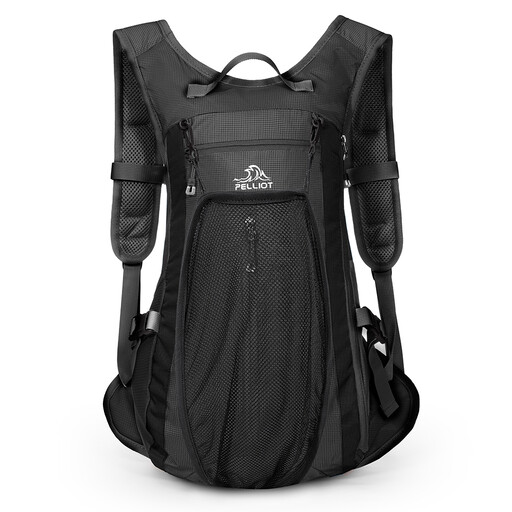
Why It Stands Out This backpack is specifically designed for movement. According to the manufacturer, PELLIOT, its S.L.F. Triple Design (Stable, Lightweight, Fast Access) ensures the pack sits snugly against the body without bouncing. The ergonomic carrying system is engineered to reduce pressure and distribute weight evenly, which is ideal for a trail running backpack.
Key Features
Who Is It For? For the active trail runner, cyclist, or fast hiker who needs a compact, stable, and lightweight pack that won't get in the way during exercise.

Why It Stands Out The Beneunder LC183 is a master of versatility. Its most striking feature is the built-in expandable design, which instantly increases its capacity by 30% from 10L to 13L. This makes it suitable for both the daily commute and a spontaneous after-work hike.
Key Features
Who Is It For? Ideal for the urban adventurer or day hiker looking for a compact, stylish, and flexible lightweight daypack that adapts to any situation.
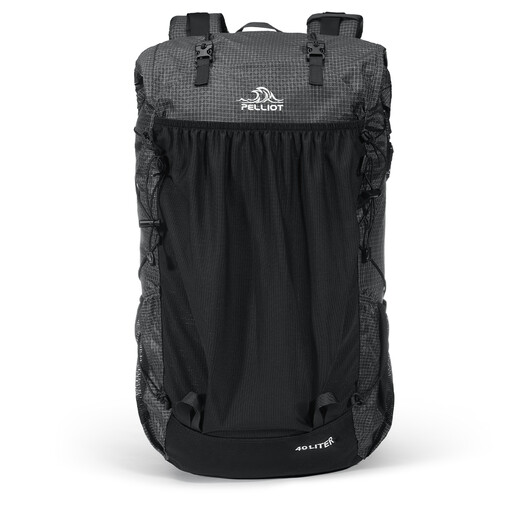
Why It Stands Out This trekking backpack is built for serious journeys. Its built-in aluminium frame and scientific load-distribution system are designed to transfer the majority of the weight to the hips. According to PELLIOT, the dynamic carrying system adapts to your walking motion, which helps reduce fatigue.
Key Features
Who Is It For? For the serious hiker who needs a robust and comfortable backpack for multi-day treks with a significant amount of gear.
These recommendations are a starting point, based on specific activities. Every hiker is different, and you might be looking for a different size, a more subtle colour, or other features.
For a broader overview of backpacks suitable for both outdoor and daily use, you can explore more options.
Explore more options in our collection of understated backpacks
1. What size hiking backpack do I need? This depends on your plans. For a day hike, 10-25 litres is usually sufficient. If you're planning a weekend trip with an overnight stay in a cabin, look for 25-40 litres. For multi-day treks where you're carrying a tent and sleeping bag, you'll quickly need 40 litres or more.
2. Is a waterproof outdoor backpack really necessary? Unpredictable weather can strike at any time. A fully waterproof backpack (with sealed seams) offers the best protection but is often more expensive. Many backpacks are water-repellent, which can handle a light shower just fine. For heavier rain, a separate rain cover is an effective and affordable solution.
3. How do I adjust my hiking backpack correctly for maximum comfort? A proper fit is crucial. Follow these steps:
