What should you consider when choosing?
Make your choice in this order: don’t give popcorn to your baby, choose other foods to suit their eating skills, and assess popcorn as a snack for yourself if you wish.
| Consideration |
What should you look for? |
Who is this important for? |
| Baby’s safety |
Decide who will eat the product. Don’t give popcorn to your baby; a protein claim doesn’t change that. |
When I choose food for my baby, I want to know first whether it’s suitable for learning to eat safely. Around 36% of consumers put safety first. |
| Suitable first foods |
Choose suitable foods, cook animal products thoroughly and match the texture to what your baby can manage. |
When I’m introducing foods, I want them and their texture to match my baby’s eating skills. Around 29% of consumers give suitable baby food top priority. |
| Protein in your own portion |
Compare protein per 100 g and per portion, and check whether the nutritional information applies to the product before or after preparation. |
When I eat popcorn, I want to know how much protein my portion actually contains. Around 21% of consumers focus mainly on the protein in their own snack. |
| Product format and preparation |
Check whether the popcorn is ready to eat or needs preparing, and read the storage instructions on the packaging. |
When I buy popcorn for myself, I want to know what preparation is involved. Around 14% of consumers mainly value convenience when buying and preparing food. |
Albert Heijn lists 8.3 g of protein per 100 g for AH Salted Popcorn, with a portion size of 25 g. That works out at approximately 2.1 g of protein per portion; this is a calculation based on the product information, not a promise of recovery. Compare nutritional values on the same preparation basis.
For baby food, the Netherlands Nutrition Centre recommends starting with mashed food and gradually making the texture less smooth. Before offering larger pieces, your child should be able to sit upright and swallow and chew well. Stay with your child while they eat.
Popcorn for adults at Joybuy
These popcorn products are only options for adults to consider; don’t give them to your baby.
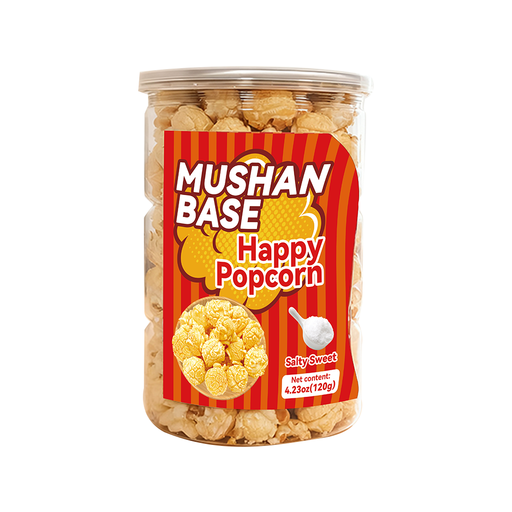 Image unavailable
MUSHAN BASE Popcorn Sweet Salty Flavor 120g
Consider this product only as a snack for yourself; don’t give it to your baby.
The product description lists 6.2 g of protein per 100 g and a pack size of 120 g.
The description says the product is ready to eat. According to the product information, it contains soya and may contain gluten.
View at Joybuy
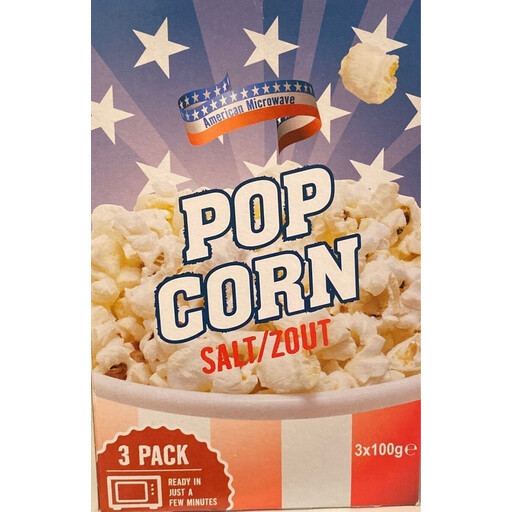 Image unavailable
Pop Corn 3 x 100g
This popcorn is only an option as a snack for adults; don’t give it to your baby.
The product description lists three 100 g bags and microwave preparation.
Open the prepared popcorn carefully, as the steam will be hot.
View at Joybuy
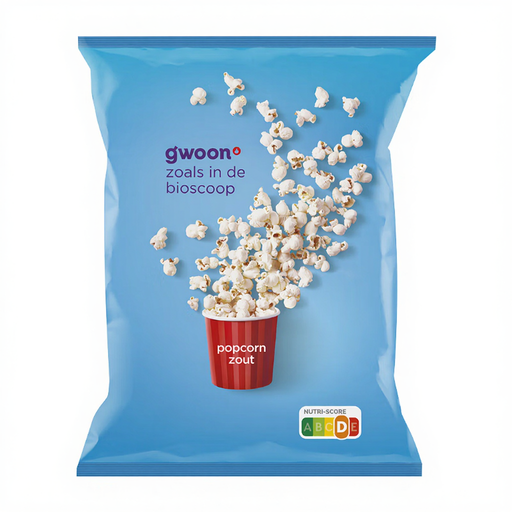 Image unavailable
g'woon Salted Popcorn 100g
Consider this salted popcorn only as a snack for yourself; don’t give it to your baby.
The product description lists 8.3 g of protein per 100 g and a pack size of 100 g.
View at Joybuy
Frequently asked questions
Can my baby eat larger pieces as soon as they show an interest in my food?
Interest alone isn’t enough. The Netherlands Nutrition Centre says your child should be able to sit upright and swallow and chew well before having larger pieces. Start with mashed foods, gradually introduce more texture and stay with them while they eat.
How should I prepare egg, fish or meat as an alternative food?
Cook these foods thoroughly and serve them in a form that suits your baby’s eating skills. The Netherlands Nutrition Centre advises against giving young children raw animal products.
Should I buy extra protein products as an active parent?
Not necessarily. The Netherlands Nutrition Centre says protein needs may be higher for strength or endurance training, but most people who exercise don’t need special protein shakes or bars if they eat a healthy, varied diet. Start by looking at your overall diet.
Are there rules for a claim such as ‘high in protein’ on packaging?
Yes. The Netherlands Food and Consumer Product Safety Authority says nutrition and health claims must comply with European rules. The European Commission states that nutrition claims are only permitted if they appear in the annex to Regulation (EC) No 1924/2006 and meet the relevant conditions. An authorised claim doesn’t prove that a product is suitable for babies.
What if the allergen or nutritional information online differs from the packaging?
Check the packaging before eating the product and contact the seller if you have any questions. Albert Heijn says ingredients, nutritional values and allergen information can change when products are updated.


