If you want to add more fibre to a quick weekday breakfast, don’t automatically reach for regular cornflakes: Kellogg’s Netherlands lists 3,0 g of fibre per 100 g for Corn Flakes and 6,0 g for Special K Original, while Jumbo lists 26,0 g per 100 g for Kellogg’s All-Bran Fibre Plus. The latter is a bran cereal, not classic cornflakes. As well as fibre, compare the sugars, salt and ingredients on the label.
Who is this choice relevant to?
Weekday breakfast eaters who prioritise fibre
You want to compare fibre content when choosing a quick breakfast. A bran cereal may have a different taste and texture from classic cornflakes. Check the nutrition information per 100 g, as well as the portion you actually eat.
Flakes shoppers comparing ingredients
You don’t want to assume how much sugar or salt a product contains based on a fibre claim. Check these values and the ingredients list separately, especially if you need to avoid certain grains or other ingredients.
Shoppers choosing from their regular supermarket
You’re looking for a weekday breakfast cereal and want to compare regular cornflakes with other flakes and bran varieties. Jumbo, Albert Heijn and ALDI stock various types; compare the nutrition information on each individual pack.
What should you look for when choosing?
Start with the fibre per 100 g if that’s your main reason for choosing a different breakfast cereal. Then check whether the other nutritional values, ingredients and pack size suit your breakfast.
| What to consider |
What to check when buying |
Who is this most important for? |
| Fibre content |
Compare the grams of fibre per 100 g, then check the portion size. Jumbo lists 26,0 g of fibre per 100 g for Kellogg’s All-Bran Fibre Plus, and 10,0 g per 40 g serving. |
If I’m switching breakfast cereal mainly to get more fibre, I want a figure I can check and may be happy with a different texture from cornflakes. Around 50% of consumers prioritise fibre content. |
| Nutritional values and ingredients |
Check the sugars and salt per 100 g, and review the ingredients and allergens for the variety you choose. |
A fibre claim isn’t enough for me if I also need to watch my sugar or salt intake, or avoid certain ingredients. Around 30% of consumers prioritise this combination. |
| Everyday weekday choice |
Check which variety you want and how many servings you’ll get from the pack; always compare the label for that variety. |
For my regular breakfast, I want to choose a pack and type of product I’ll enjoy eating, without judging fibre content by the product name. This is a priority for around 20% of consumers. |
Common mistakes
-
Assuming regular cornflakes are high-fibre flakes
The product name doesn’t tell you how much fibre a breakfast cereal contains. Kellogg’s Netherlands lists 3,0 g of fibre per 100 g for Corn Flakes; Jumbo lists 26,0 g per 100 g for Kellogg’s All-Bran Fibre Plus, a different type of breakfast cereal.
Check the fibre per 100 g if getting more fibre is your main reason for buying.
-
Focusing only on fibre
A higher fibre content doesn’t automatically tell you how much sugar or salt the same variety contains.
Compare the nutrition tables side by side, checking fibre, sugars and salt per 100 g each time.
-
Reading ‘no added sugars’ as ‘sugar-free’
Jumbo describes Special Flakes as having ‘no added sugars’, but also says that the product contains naturally occurring sugars.
As well as this claim, check the ingredients list and the ‘of which sugars’ line in the nutrition table.
Brands compared
Kellogg’s
In this comparison, Kellogg’s offers classic Corn Flakes, Special K Original and the bran cereal All-Bran Fibre Plus.
- Kellogg’s Netherlands lists 3,0 g of fibre per 100 g for Corn Flakes and 6,0 g for Special K Original; Jumbo lists 26,0 g for All-Bran Fibre Plus.
- These values vary by product. Check the sugars, salt and ingredients for the variety you choose, too.
Jumbo
Jumbo stocks regular cornflakes and Special Flakes alongside other breakfast cereals.
- Jumbo’s product information describes Special Flakes as a variety with no added sugars and notes that it contains naturally occurring sugars.
- The name or claim on the front of the pack doesn’t replace the nutrition table: compare the fibre per 100 g on the pack you’re planning to buy.
Albert Heijn
Albert Heijn’s range includes AH Cornflakes and AH Bran flakes fruit, among other products.
- You can compare different types of flakes side by side.
- Check the fibre content and ingredients for each individual variety, rather than relying on the category or product name.
Golden Bridge
ALDI Netherlands lists Cornflakes and Special Flakes naturel, among other products, under its Golden Bridge brand.
- The range includes different types of breakfast cereal to compare.
- Check the fibre content on the label before comparing a Golden Bridge variety with a specific flakes or bran cereal.
Breakfast cereals on Joybuy
These products are cruesli and granola for anyone looking beyond classic cornflakes for a crunchy weekday breakfast. They’re different types of products, so use the label to compare their fibre, sugars and ingredients with flakes.
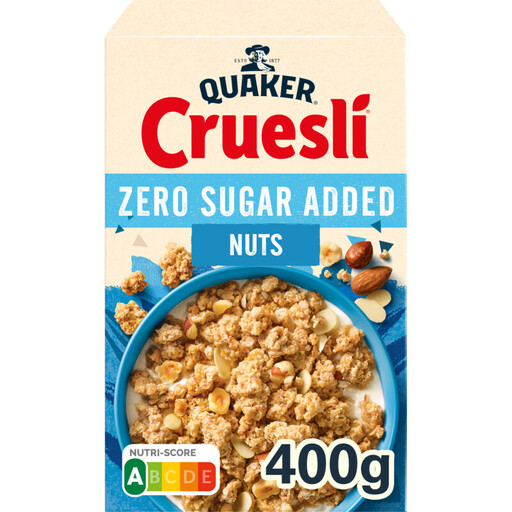 Image unavailable
Quaker Cruesli Nuts Zero Sugar, 400 g
A cruesli option if you want a crunchy breakfast before work and aren’t specifically looking for cornflakes.
Check the pack for fibre and sugars per 100 g, and review the ingredients if you need to avoid certain grains or nuts.
View on Joybuy
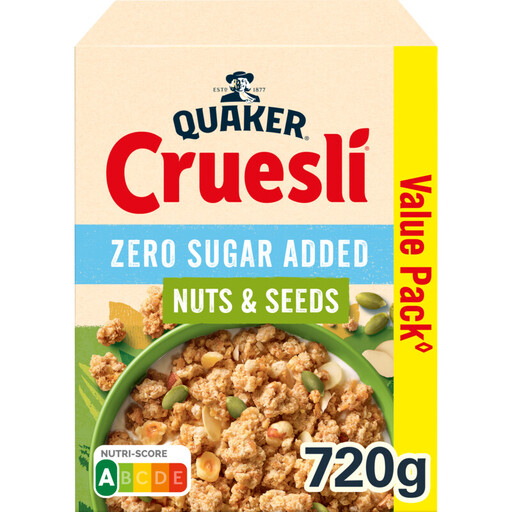 Image unavailable
Quaker Zs Cruesli Nuts & Seeds, 720 g
A larger pack of cruesli for anyone looking for nuts and seeds in a crunchy breakfast.
Compare fibre using the nutrition information per 100 g. To check the amount per serving, look at the serving size and the pack label; check the allergens, too.
View on Joybuy
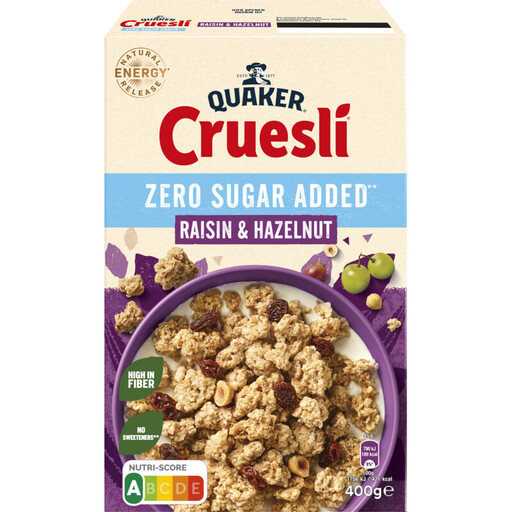 Image unavailable
Quaker Zs Cruesli Raisin & Hazelnut, 400 g
A cruesli variety with raisins and hazelnut for anyone who wants these ingredients in their breakfast.
Check the nutrition information for fibre and sugars per 100 g. Review the allergen information if you need to avoid hazelnuts or certain grains.
View on Joybuy
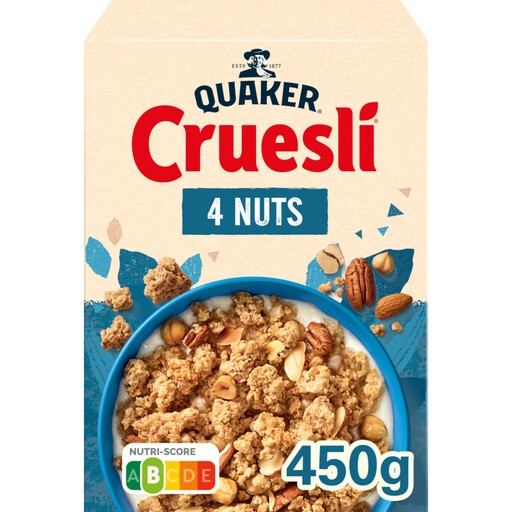 Image unavailable
Quaker Cruesli 4 Nuts, 450 g
A nutty cruesli if you’re considering a crunchy breakfast cereal other than cornflakes.
Compare fibre and sugars per 100 g with the other varieties, and check the allergen information if you need to avoid nuts or certain grains.
View on Joybuy
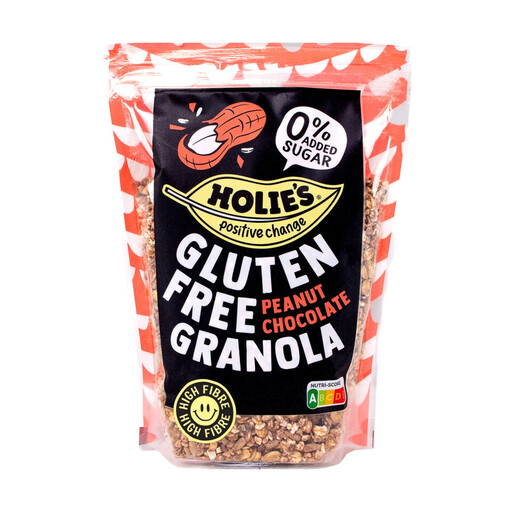 Image unavailable
Holie’s Granola Glutenfree Peanut Chocolate, 330 g
A granola variety with peanuts and chocolate if you’re also considering granola for breakfast; granola isn’t cornflakes.
Compare the nutrition information per 100 g. If you need to avoid gluten or peanuts, check the current ingredients and allergen information rather than relying on the product name alone.
View on Joybuy
Frequently asked questions
How do I compare cornflakes and other flakes for fibre?
First, check the grams of fibre per 100 g so you’re comparing products on the same basis. Kellogg’s Netherlands lists 3,0 g per 100 g for Corn Flakes and 6,0 g for Special K Original; Jumbo lists 26,0 g for Kellogg’s All-Bran Fibre Plus. Then check how much you use in your own serving.
Does ‘no added sugars’ mean a product contains no sugars?
No. Jumbo describes Special Flakes as having ‘no added sugars’ and also notes that it contains naturally occurring sugars. The ‘of which sugars’ line and the ingredients list give you more information about the variety you’ve chosen.
Should I check for gluten in high-fibre flakes?
Yes, if you need to avoid gluten: a fibre claim doesn’t mean a product is gluten-free. For Kellogg’s All-Bran Fruit ’n Fibre, Jumbo lists wholemeal wheat and barley malt extract, among other ingredients, and names wheat, barley and gluten-containing cereals as allergens. Check the information on the specific pack.
Do high-fibre cornflakes automatically provide long-lasting energy?
No. Fibre content alone doesn’t tell you how long a breakfast will provide energy. Use the nutrition table and serving size to compare breakfast cereals, without attributing this effect to any one variety.


