What should you look for when choosing?
Start with the type of grain and the ingredients. Then use the nutritional information and allergen details to assess the exact product.
| What to look for |
What to check when buying |
Who is this most important for? |
| Wholegrain and fibre |
Check whether the grain is described as wholegrain and compare the fibre per 100 g. |
If I’m looking for breakfast cereal as an alternative to bread, I want to know whether I’m really choosing a wholegrain variety. For around 42% of consumers, wholegrains and fibre are the most important factors. |
| Added sugar and salt |
Read the ingredients list and nutritional information. Check sweeteners separately from the information on added sugars. |
When choosing breakfast for my toddler, I don’t want a fibre claim to distract me from other ingredients. An estimated 42% of consumers prioritise added sugar and salt. |
| Allergens and food brought in from home |
Check the allergens on the current packaging and ask the school or nursery about its own rules. |
If I’m sending breakfast cereal in with my child, I need to know which allergens are listed on the packaging and what the school or nursery allows. Allergens and food brought in from home are the main concern for around 16% of consumers. |
Brands to consider
Compare specific products within each brand. Cornflakes, bran flakes and other breakfast cereals don’t automatically have the same ingredients.
Albert Heijn
Albert Heijn sells products including AH Bran flakes volkoren and a separate variety called AH Glutenvrij Vezelrijke bran flakes.
- The product names make it easier to look for a wholegrain or gluten-free-labelled variety.
- Before choosing, check the full ingredients, nutritional information and allergens on the current packaging.
Jumbo
Jumbo sells regular Cornflakes as well as separate Special Flakes. Don’t treat them as the same product.
- Jumbo describes its Special Flakes as ‘high-fibre’ and ‘with no added sugars’.
- Jumbo also lists sweeteners in these Special Flakes. Check the ingredients, salt and allergens too.
Kellogg's
Kellogg's All-Bran products are listed alongside cornflakes and other breakfast cereals in the range shown by Jumbo.
- The separate product ranges make it worth comparing each variety individually.
- Don’t assume a product’s fibre content or suitability for your toddler based on the brand or product range. Read the label on the pack you’re considering.
Smaakt
Smaakt Bio Cornflakes Ongezoet 300 g is listed in Jumbo’s online range.
- The name makes this variety easy to identify if you’re comparing products by sweetness.
- ‘Unsweetened’ doesn’t mean the cornflakes are wholegrain or high in fibre. Check the nutritional information and allergens too.
Breakfast cereals as an alternative to cornflakes
These Joybuy products are granola, cruesli, porridge oats and wheat breakfast cereal, not cornflakes. Use them to explore different types of breakfast cereal. For a toddler, always check the ingredients and allergens on the pack you choose.
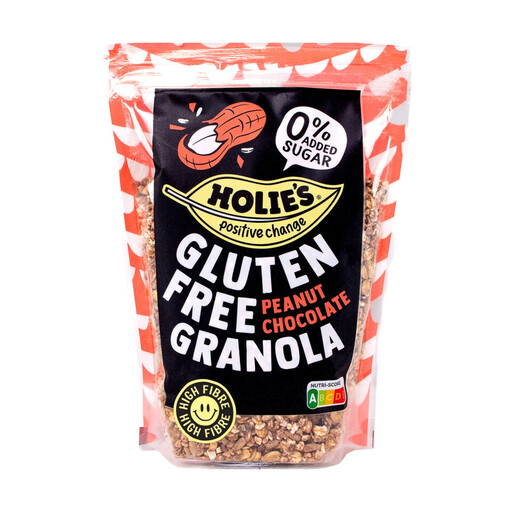 Image unavailable
Holie's Granola Glutenfree Peanut Chocolate, 330 g
Granola is an alternative to consider if you’re looking for a breakfast cereal labelled gluten-free, but it doesn’t have the same qualities as cornflakes. Peanuts are listed as an allergen for this variety. Check the current packaging and any rules at your child’s school or nursery.
View at Joybuy
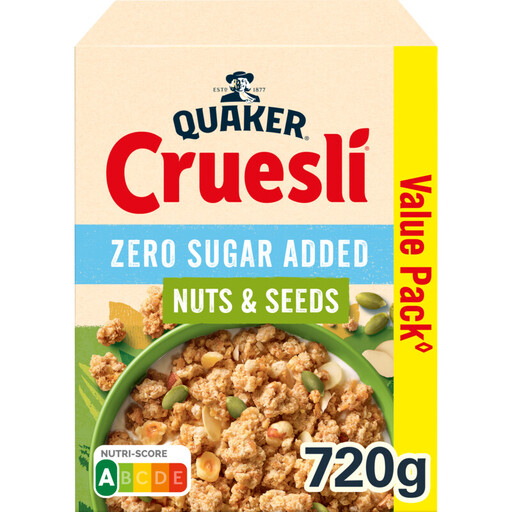 Image unavailable
Quaker Zs Cruesli Nuts & Seeds, 720 g
Cruesli is a crunchy grain mix with nuts and seeds, for anyone comparing alternatives to cornflakes. When choosing breakfast cereal for a toddler, bear in mind that salt is listed as an ingredient and check the allergens for this variety on the packaging.
View at Joybuy
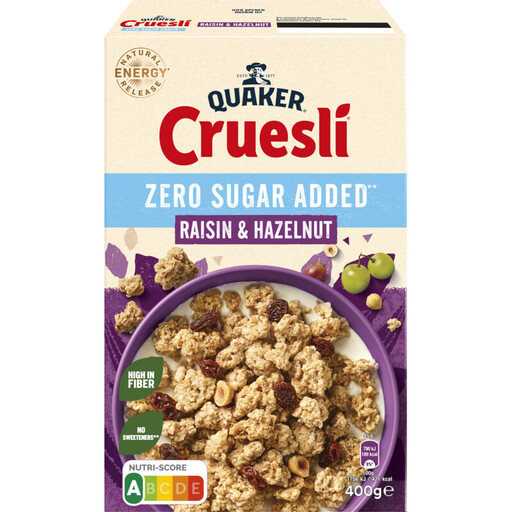 Image unavailable
Quaker Zs Cruesli Raisin & Hazelnut, 400 g
Cruesli with raisins and hazelnuts is another type of breakfast cereal to consider instead of cornflakes. Salt is listed as an ingredient; check the allergen information on the current packaging too.
View at Joybuy
 Image unavailable
Quaker Oatmeal, 600 g
Porridge oats are an alternative to cornflakes. The Voedingscentrum lists porridge oats as one possible breakfast option for children aged 1 to 3. Check the nutritional information and allergens on the pack you choose, and adapt the preparation and portion to suit your child.
View at Joybuy
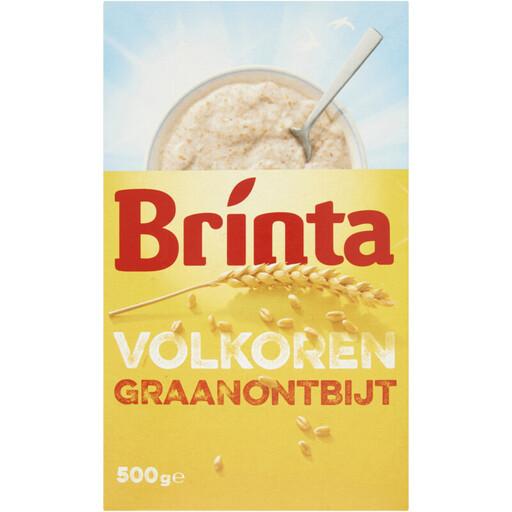 Image unavailable
Brinta Whole Wheat Cereal Breakfast, 500 g
Wheat breakfast cereal is an option if you’re looking for a wholegrain alternative to cornflakes. Salt is listed as an ingredient. Before choosing it for your child, check the current packaging for salt, wheat and any other relevant allergens.
View at Joybuy
Frequently asked questions
Are regular cornflakes automatically high in fibre?
No. The name cornflakes doesn’t tell you whether a variety is wholegrain or high in fibre. The Voedingscentrum also notes that sugar is often added to white breakfast cereals such as cornflakes. For a toddler, check the ingredients and fibre per 100 g for the specific product.
What does ‘high-fibre’ tell you about the rest of the product?
A fibre claim doesn’t assess the product’s full ingredients. For example, Jumbo describes its Special Flakes as ‘high-fibre’ and ‘with no added sugars’, but also lists sweeteners. So check the type of grain, ingredients, sugars, salt and allergens too.
Can breakfast cereal replace bread for a toddler?
The Voedingscentrum lists porridge oats, muesli and other wholegrain breakfast cereals with no added sugar or salt as alternatives to bread at breakfast for children aged 1 to 3. Also consider what your child eats at other times of the day, rather than looking at breakfast alone.
How do I check allergens if breakfast cereal is going to school or nursery?
Read the allergen information on the current packaging and ask the school or nursery about its own rules. According to the Netherlands Food and Consumer Product Safety Authority, allergens must be clearly listed on the label of pre-packed foods. Don’t assume that all cornflakes have the same allergen profile.


