
Holidaymakers keeping an eye on fibre
You want to take breakfast cereal for several mornings, so you compare the fibre content per 100 g. Then look at the portion you actually eat, rather than relying on the serving size shown on the packaging.


For a holiday home, choose breakfast cereal based on its fibre content per 100 g and what the people eating it can or can’t have, rather than the name ‘cornflakes’. If anyone needs to follow a gluten-free diet, check the allergen information on the current packaging too, and follow the storage instructions for your supplies.
You want to take breakfast cereal for several mornings, so you compare the fibre content per 100 g. Then look at the portion you actually eat, rather than relying on the serving size shown on the packaging.
You don’t want to assume that ordinary cornflakes or bran flakes are gluten-free. Check both the gluten-free label and the full allergen information on the packaging.
You’re looking for supplies that give everyone a choice, while taking fibre, ingredients and flavour into account. As the Netherlands Nutrition Centre explains, nutritional information per 100 g makes it easier to compare products with different serving sizes.
If someone needs to eat gluten-free, start by checking whether the product is suitable for their diet. Then compare the fibre content per 100 g and check that the packaging and ingredients work for your group.
| What to consider | What should you check? | Who should pay particular attention? |
|---|---|---|
| Fibre content | Compare the fibre content per 100 g, then work out how much you use in each bowl. Jumbo lists 26 g of fibre per 100 g for Kellogg's All-Bran Fibre Plus. | If I’m taking cereal specifically for its fibre, I don’t want to rely on the product name. For around 50% of consumers, this fibre content is the deciding factor. |
| Gluten and allergens | Check the gluten-free label, ingredients and allergen information on the current packaging. | If someone in our holiday home needs to eat gluten-free, suitability comes before choosing a particular type of flake. For around 30% of consumers, this is the top priority. |
| Supplies for several people | Check the pack size, storage instructions, ingredients and nutritional information per 100 g. | For a shared breakfast, I want to choose a pack that suits everyone’s different preferences. This is the main consideration for around 20% of consumers. |
Kellogg's Netherlands lists 3.0 g of fibre per 100 g for Corn Flakes; according to Jumbo, All-Bran Fibre Plus contains 26 g per 100 g. So the brand name alone doesn’t tell you how much fibre a cereal contains.
Read the nutritional information per 100 g and compare the sugar and salt content too, if they matter to your choice.
According to the Netherlands Nutrition Centre, manufacturers set their own serving sizes. This means values per serving can make it harder to compare different packs accurately.
Compare the products per 100 g first, then work out how much you’ll actually put in your bowl.
A gluten-free label doesn’t automatically answer questions about other ingredients or possible traces. This matters when several people are sharing the same supplies.
Ask anyone with an allergy to check the current packaging before the product is eaten.
The Corn Flakes and All-Bran Fibre Plus products reviewed differ considerably in their stated fibre content, so compare the specific product rather than the brand alone.
Vezelrijke bran flakes are worth considering if a gluten-free label is a priority when choosing breakfast.
Special Flakes are another option to compare by nutritional values and ingredients.
These product picks include granola and a wholewheat breakfast cereal for anyone considering alternatives to classic cornflakes. Check the nutritional information on the current packaging before choosing them for their fibre content.
 No image available
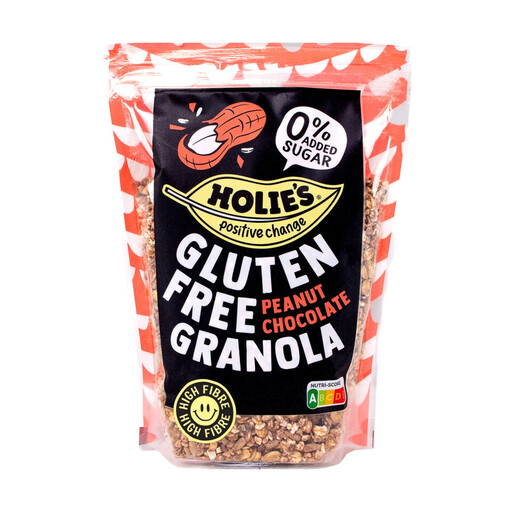
A granola with peanuts and chocolate, instead of classic cornflakes. If you follow a gluten-free diet or have allergies, check the current packaging.
 No image available
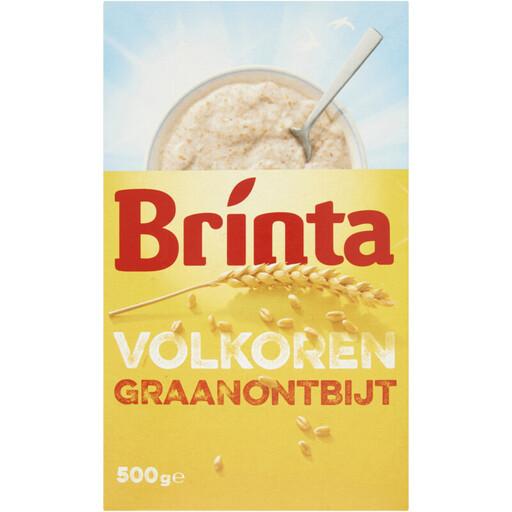
A wholewheat breakfast cereal instead of cornflakes. If anyone needs to eat gluten-free, check the ingredients and allergen information on the packaging.
No. Kellogg's Netherlands lists 3.0 g of fibre per 100 g for Corn Flakes, while Jumbo lists 26 g per 100 g for Kellogg's All-Bran Fibre Plus. Compare the nutritional information for the specific product.
Follow the storage instructions on the packaging and seal the product carefully after use. When you buy it, check the best-before date on the pack too.
Not necessarily: the Kellogg's All-Bran Fibre Plus product reviewed contains wheat bran. If you follow a gluten-free diet, choose a product with a suitable gluten-free label and check the current ingredients and allergen information.