
If you mainly want to compare fibre
You want to know how much fibre breakfast cereals provide per 100 g and per serving. Bran products and some crunchy cereal mixes are worth comparing, but check their sugars and allergens too.


Choose bran cereal if fibre is your priority, porridge oats or wholegrain porridge if you fancy a warm bowl, or granola if you’re mainly after a crunchy texture. Then compare fibre and sugars per 100 g and per typical serving, and check the preparation instructions and allergens. A high fibre content doesn’t guarantee long-lasting energy.
You want to know how much fibre breakfast cereals provide per 100 g and per serving. Bran products and some crunchy cereal mixes are worth comparing, but check their sugars and allergens too.
You’re short on time on weekdays but still want a warm bowl. Brinta Wholegrain Cereal Breakfast is prepared with warm milk, while Quaker says its Express Oatmeal takes two minutes to prepare.
You’re comparing the ingredients and sugars in wholegrain porridge and porridge oats with those in other breakfast cereals. A fibre claim alone doesn’t tell you how much sugar a product contains.
Decide what matters most on a weekday morning: fibre, preparation time, a less sweet base or a crunchy texture. Then compare products on the same basis, and consider how much you actually eat.
| What to consider | What should you check? | Who is this most important for? |
|---|---|---|
| Fibre | Compare fibre per 100 g and work out how much you get in your usual serving; check the sugars too. | If I’m choosing mainly for fibre, I want to know what’s actually in my bowl, rather than relying on the front of the pack. Around 33% of consumers say fibre is their top priority. |
| Preparation time | Check the preparation instructions and whether you’ll need a microwave or a saucepan. | On a busy morning, I want to be able to make a warm bowl in the time I have. For around 27% of consumers, quick preparation comes first. |
| Sugars and ingredients | Check sugars per 100 g, the ingredients list and whether any sugars have been added. | I’m looking for a simple wholegrain base and don’t want to assume that high in fibre also means low in sugars. This is the top priority for around 27% of consumers. |
| Texture and protein | If you’re choosing a crunchy cereal mix, compare its protein, fibre and sugars per 100 g too. | I want something crunchy, or I’m paying particular attention to protein as well as fibre, without overlooking the rest of the nutritional information. Around 13% of consumers prioritise this combination. |
A fibre claim doesn’t give you the full nutritional picture. Breakfast cereals can also vary in their sugars, ingredients and serving sizes.
Compare the nutrition tables side by side, starting with the same quantity—ideally per 100 g.
Albert Heijn lists 26 g of fibre and 15 g of sugars per 100 g for Kellogg's All-Bran Plus; plain Quaker Oatmeal has 9 g of fibre and 1.1 g of sugars per 100 g. So the right choice depends on which qualities you want to combine.
Check both figures, then consider what you’ll get from your usual serving of the product you choose.
A high fibre content tells you nothing about whether a product contains gluten or other allergens. The All-Bran Plus reviewed contains wheat and barley, among other ingredients; Brinta Wholegrain Cereal Breakfast contains wheat.
If you have an allergy or need to avoid gluten, check the latest ingredients and allergen information on the packaging.
Ingredients and nutritional information can change. This means that what you read on a product page before may not match the packaging you receive.
Check the current label before use, including the allergen and preparation information.
The All-Bran range reviewed is worth considering if you want to compare a bran cereal with a high stated fibre content against other types of product from the brand.
The Wholegrain Cereal Breakfast reviewed is an option if you want to make a warm porridge with whole wheat.
The products reviewed range from plain porridge oats and Express Oatmeal to crunchy Cruesli. Compare them based on what matters for your morning.
Albert Heijn’s product information lets you compare the label values of different breakfast cereals, porridge products and porridge oats.
This selection includes crunchy granola, porridge oats and wholegrain cereal breakfast. First choose the type that suits your morning, then compare the nutritional information on the specific pack.
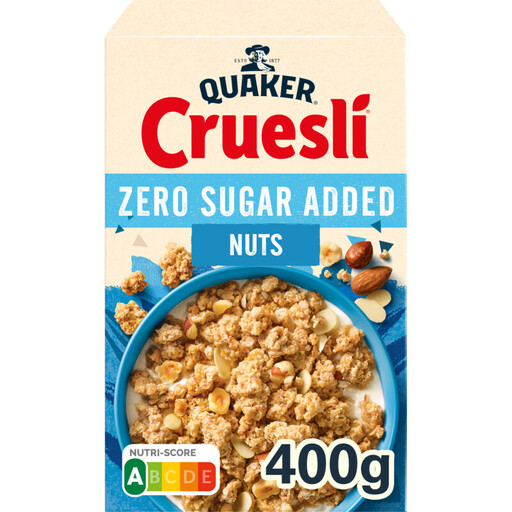 Image unavailable
A crunchy, nutty granola for breakfast. Check the sugars on the label: the Zero Sugar variant name doesn’t mean the product contains no sugars.
 Image unavailable
For a warm bowl on a morning when preparation time matters. Quaker says it takes two minutes to prepare in the microwave or a saucepan; check the instructions and allergens on the packaging.
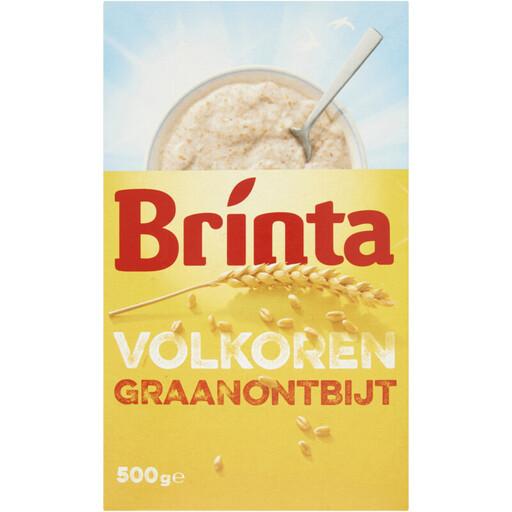 Image unavailable
For making a warm porridge with whole wheat. Albert Heijn lists 10 g of fibre and 4.6 g of sugars per 100 g for this variant; the product contains wheat and needs to be prepared.
 Image unavailable
If you’re looking for porridge oats as the base for a weekday breakfast and have time to prepare them. Compare the nutritional information and check the preparation instructions and allergens on the packaging.
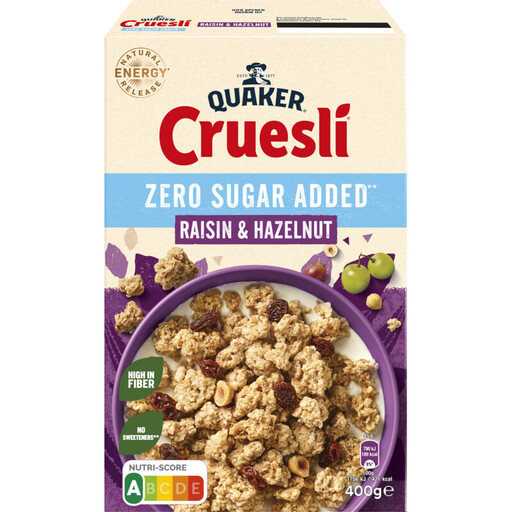 Image unavailable
A crunchy granola with raisins and hazelnuts. Check the sugars and allergens on the current label, especially if hazelnuts or cereals are a concern for you.
Under the EU rules for nutrition claims published via EUR-Lex, ‘high in fibre’ requires at least 6 g of fibre per 100 g or 3 g per 100 kcal. The claim doesn’t tell you how much sugar the product contains, so compare the rest of the nutritional information and consider your serving too.
The Netherlands Nutrition Centre recommends at least 24 g of fibre a day for adult women and at least 30 g for adult men; your needs also depend on your energy requirements. Check the fibre per serving in breakfast cereals, and consider the other foods in your daily diet too.
No, a fibre claim doesn’t mean a product is gluten-free. The All-Bran Plus reviewed contains wheat and barley, and Brinta Wholegrain Cereal Breakfast contains wheat. If you need to avoid gluten, always check the latest allergen information for the specific product.
Quaker says its 324 g Express Oatmeal takes two minutes to prepare in the microwave or a saucepan. Check that this method suits your morning and follow the instructions on the packaging.