If you have a bowl and time to heat something up, a wholegrain cereal breakfast or porridge could suit your morning. If you want something ready to eat straight away, look at flakes or crunchy muesli. Within your chosen type, compare fibre and sugars per 100 g, read the ingredients list and check the allergen information if you have a dietary restriction.
Who is this choice important for?
If you’re keeping an eye on fibre at breakfast
You want a quick breakfast, so you compare the fibre content per 100 g and the ingredients list instead of relying on the front of the pack. The Netherlands Nutrition Centre lists wholegrain cereal products as a source of fibre.
If you compare labels
You’re looking for something that takes little preparation, but you also want to see how each option compares for fibre, sugars, salt and ingredients. According to the Netherlands Nutrition Centre, breakfast cereals can vary considerably in these respects.
If you’re stocking up on breakfast
You want a cereal breakfast that fits your usual morning routine. Pack size, serving size and preparation method can help you choose between options such as porridge oats, porridge and ready-to-serve breakfast cereals.
What should you look for when choosing?
First, decide between a breakfast that needs preparing and one you can serve straight away. Then read the label on the specific pack: a wholegrain ingredient doesn’t tell you how much sugar or which allergens the product contains.
Hot cereal breakfast or porridge
A good fit if: you have a bowl, liquid and time to prepare it.
Bear in mind: this option takes more preparation than ready-to-serve breakfast cereals.
Flakes or crunchy muesli
A good fit if: you’d rather put together a bowl with, for example, milk or yoghurt straight away.
Bear in mind: even with a wholegrain or high-fibre option, you should compare the sugar content separately on the label.
| What to consider |
What to check before buying |
Who it matters to |
| Fibre and wholegrains |
Compare fibre per 100 g and check which grains are listed in the ingredients. |
If I want to choose my breakfast based on fibre, I need to know more than just whether grains are shown on the pack. Around 31% of consumers would prioritise fibre and wholegrains. |
| Preparation method |
Check whether heating is needed and which liquid and equipment the instructions mention. |
I don’t want to find out on a busy morning that my breakfast still needs heating; for around 25% of consumers, minimal preparation would be the main priority. |
| Sugars and ingredients |
Compare fibre, sugars and salt per 100 g, and read the ingredients list. |
When choosing a crunchy or flavoured option, I don’t want to rely on the fibre claim alone. Sugars and ingredients would be the first consideration for around 25% of consumers. |
| Stock and packaging |
Check the pack size, serving instructions and current availability of the option you want. |
If I want to be able to make the same breakfast regularly, the right pack size and availability matter. Around 19% of consumers would have this as their main requirement. |
Common mistakes
-
Assuming high fibre means low sugar
You need to assess these separately. Albert Heijn lists both 8.4 g of fibre and 20 g of sugars per 100 g for Kellogg's Oaties.
Compare fibre, sugars and salt on the label for the option you’re considering, using the same basis—preferably per 100 g.
-
Assuming multigrain or oats mean gluten-free
The cereal breakfasts and porridge oats reviewed may contain grains with gluten. A grain named in the product title is no substitute for checking the allergen information.
If you need to avoid gluten or another allergen, check the current ingredients list, allergen information and any warnings on the pack.
-
Leaving the preparation details until after you buy
Porridge and oats need to be prepared differently from flakes that you can serve straight away. That difference matters if you’re short on time or eating on the go.
Read the preparation instructions in advance and check whether you have the specified liquid, bowl and any equipment where you’ll be having breakfast.
Popular brands and own-label options
Compare specific options within each brand: a fibre or sugar figure won’t automatically apply to the entire range.
Brinta
Brinta Wholegrain Cereal Breakfast is an option if you want to make a warm bowl.
- Albert Heijn lists 10 g of fibre per 100 g for this option.
- This option contains wheat and cereals containing gluten; check the label if you have a dietary restriction.
Kellogg's
The range includes different types of breakfast cereal; assess fibre and sugars for each option.
- Albert Heijn lists 8.4 g of fibre per 100 g for Kellogg's Oaties.
- The same option lists 20 g of sugars per 100 g and contains oats, wheat and barley.
Albert Heijn
AH Wholegrain Cereal Breakfast is an own-label option that, according to the preparation instructions, is made in the microwave.
- Albert Heijn lists 14 g of fibre and 0 g of added sugars per 100 g for this option.
- The product contains wheat and cereals containing gluten; also read the warning about the possible presence of other cereals.
Jumbo
Jumbo Wholegrain Oats is an own-label option if you want to prepare porridge oats.
- Jumbo lists 10.0 g of fibre and 0.7 g of sugars per 100 g for the fine flakes reviewed.
- This option contains oats and gluten, and may also contain barley, rye and wheat.
Golden Bridge / ALDI
Golden Bridge offers, among other products, a 7-grain wholegrain breakfast for those looking at a multigrain option.
- ALDI lists a 500 g pack for the Golden Bridge 7-grain wholegrain breakfast.
- Check the nutritional information and allergen details on the pack you choose before comparing it with another option.
Lidl
Lidl offers a 7-grain breakfast with wholegrains as an option in its breakfast cereal range.
- Lidl lists a 300 g pack for this option.
- Lidl indicates that this option is only available in store; check the label before buying too.
Breakfast cereals and grain breakfasts on Joybuy
The first four products are crunchy muesli or cruesli for serving straight away; Brinta represents the option of a cereal breakfast that you prepare. Use the product name and pack size to identify the right option, and compare nutritional values on the current packaging.
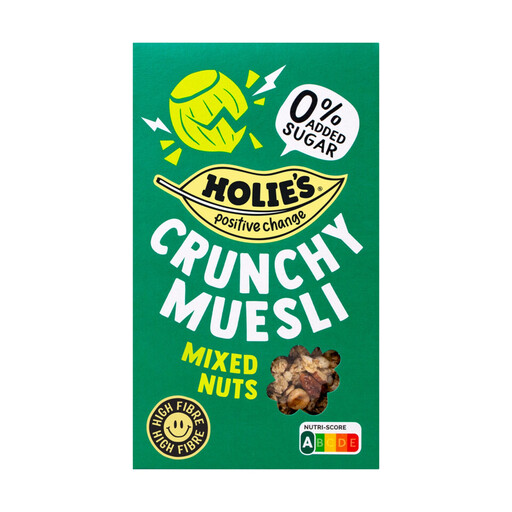 Image unavailable
Holie's Crunchy Muesli Mixed Nuts, 400 g
For anyone who wants crunchy muesli with nuts instead of a hot cereal breakfast. Compare fibre and sugars per 100 g, and check the pack if you have an allergy.
View on Joybuy
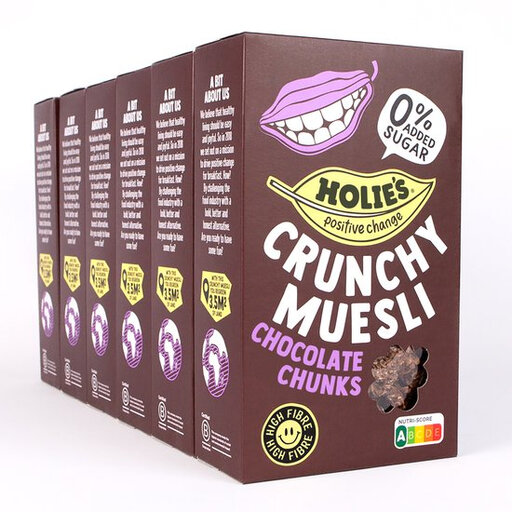 Image unavailable
Holie's Crunchy Muesli Chocolate Chunks, 6 x 400 g
For anyone looking for crunchy muesli with chocolate chunks and wanting to buy several packs at once. Compare sugars and fibre per 100 g for this option too.
View on Joybuy
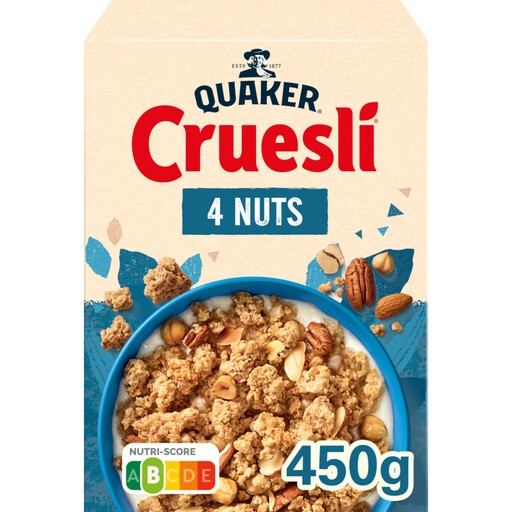 Image unavailable
Quaker Cruesli 4 Nuts, 450 g
For anyone who wants to serve cruesli with a mix of nuts. When comparing options, check both the fibre and sugar content, and review the allergen information.
View on Joybuy
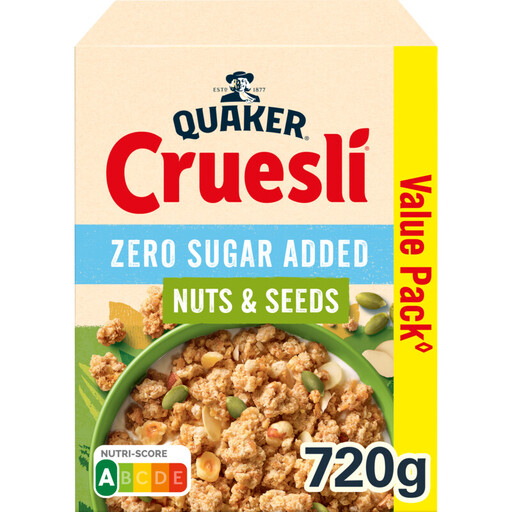 Image unavailable
Quaker Zs Cruesli Nuts & Seeds, 720 g
For anyone looking for crunchy cruesli with nuts and seeds. Check the pack for the fibre content per 100 g before comparing it with other breakfast cereals.
View on Joybuy
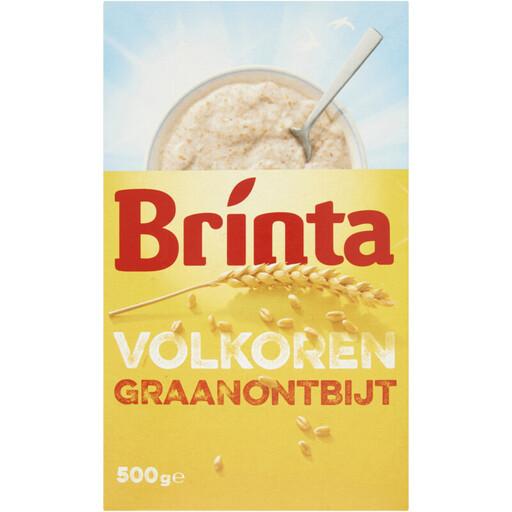 Image unavailable
Brinta Wholegrain Cereal Breakfast, 500 g
For anyone who prefers a prepared breakfast bowl to crunchy muesli. Albert Heijn lists 10 g of fibre per 100 g for Brinta Wholegrain Cereal Breakfast; check the preparation instructions and the wheat and gluten information on the current pack.
View on Joybuy
Frequently asked questions
How can I quickly compare high-fibre breakfast cereals?
First check the nutritional information per 100 g for fibre, sugars and salt, then look at the ingredients list. The Netherlands Nutrition Centre points out that breakfast cereals can vary significantly in these respects, so compare the option you’re actually planning to buy.
When should I choose porridge over crunchy breakfast cereal?
Choose porridge if you have a bowl, liquid and time to prepare it where you’ll be having breakfast. Choose ready-to-serve cereal if that doesn’t fit your morning routine. In either case, check the nutritional information for the specific option.
Are breakfast cereals with oats or wheat automatically gluten-free?
No. If you need to avoid gluten, don’t rely on the grain name alone. Check the current allergen information and any gluten-free claim on the pack of the specific product.
Where can I find allergen and nutritional information?
Check the pack for the ingredients list, highlighted allergens and nutritional information. The European Union requires prepacked foods to include allergen information and a nutrition declaration.


