
Active people looking for something savoury
If you fancy a crunchy snack around your workout, you can compare the protein in the portion you’ll actually eat. That doesn’t automatically make crisps a complete post-workout meal.


Higher-protein crisps can be a good choice if you’re looking for a savoury snack, but the word ‘protein’ alone isn’t a reason to swap your usual crisps. Albert Heijn lists 28 g of protein and 398 kcal per 100 g for AH Proteïne Crisps Paprika, compared with 6 g of protein and 517 kcal per 100 g for Lay’s Naturel. How much you actually eat, as well as the ingredients and allergen information on the packaging, still matters. According to the Netherlands Nutrition Centre, weight loss depends on the balance between energy intake and energy expenditure, not on one snack.
Choosing between higher-protein crisps and regular crisps depends on what you want to compare in your snack: protein, the amount you eat or the ingredients.
If you fancy a crunchy snack around your workout, you can compare the protein in the portion you’ll actually eat. That doesn’t automatically make crisps a complete post-workout meal.
If you want to keep eating crisps while monitoring your energy intake, check the kcal per portion, the size of the bag and how often you snack on them. The Netherlands Nutrition Centre suggests choosing a small bag rather than a large one as a practical way to manage portions.
The ingredients vary between lentil- and soya-based crisps. Albert Heijn describes AH Proteïne Crisps Paprika as vegan and gluten-free, but also states that the product may contain milk, sesame seeds, soya and lactose. So check the information for the specific flavour you’re buying.
Start by comparing crisps per 100 g to see how products stack up, then look at the amount you plan to eat. Extra protein, portion size and ingredients each answer a different shopping question.
| What to consider | What to check when buying | Who it matters to |
|---|---|---|
| Protein in the snack | Compare the protein per 100 g and calculate how much that means for the amount you’ll eat. Check the protein source too. | I’m looking for something savoury and want to know how much extra protein my portion provides, without treating the snack as a complete meal. For around 42% of consumers, extra protein is the top priority when making this choice. |
| Energy and portion size | Check the kcal per 100 g, the net weight and the stated portion size; the stated portion may not match what you eat. | If I have crisps, I want to decide in advance how much to count towards my daily total. Around 33% of consumers give their own portion size and energy intake top priority. |
| Ingredients and salt | Read the ingredients, allergen warnings and salt content for the variety you’ve chosen. | I want to check first whether the ingredients suit my dietary preferences and what warnings are on the packaging. For around 25% of consumers, the ingredients are the main reason for buying. |
Albert Heijn lists 398 kcal per 100 g for AH Proteïne Crisps Paprika and 517 kcal per 100 g for Lay’s Naturel. That difference per 100 g doesn’t tell you how much energy you’ll get from your own portion.
Compare the protein and kcal on the same basis, then calculate the amount you plan to eat.
A bag of AH Proteïne Crisps Paprika contains 70 g, while the nutritional information gives a portion size of 25 g. So the figures for that portion don’t apply to the whole bag.
Measure out the amount you want to eat beforehand, then use that amount for your comparison.
Albert Heijn describes AH Proteïne Crisps Paprika as vegan and gluten-free, but states that the product may contain milk, sesame seeds, soya and lactose. Body & Fit Smart Protein Chips contain soya.
For the flavour you’ve chosen, check both the ingredients list and the allergen warning on the current packaging.
A protein claim doesn’t tell you whether a portion fits into your overall energy intake. According to the Netherlands Nutrition Centre, weight loss depends on taking in less energy than you use.
Assess the snack as part of your overall diet rather than relying on one claim on the front of the bag.
These product ranges show the differences you might find on a label; a brand name alone doesn’t tell you what’s in every variety.
AH Proteïne Crisps Paprika and Sweet Chili are lentil crisps in 70 g packs.
Smart Protein Chips Original are made from soya and potato and come in 23 g packs.
Protein Chips Sour Cream & Onion are made from red lentils and come in a 30 g bag.
Lay's Naturel are regular potato crisps that you can compare with higher-protein crisps.
Pringles Original are regular crisps and offer another point of comparison.
This selection includes vegetable crisps, cassava crisps and a crunchy pea snack. Don’t compare them with the lentil and soya crisps above based on category names alone: check the nutritional information for each product and the amount you eat.
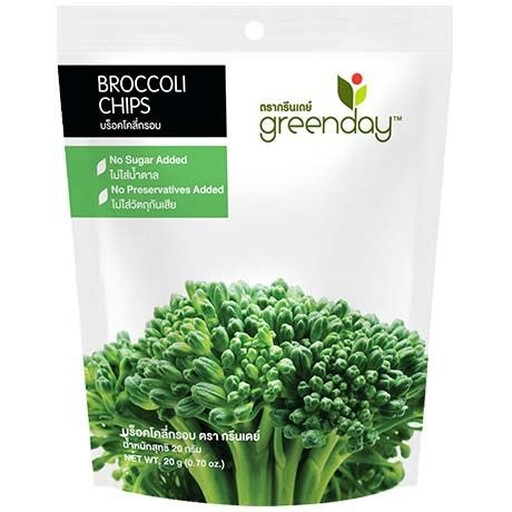 Image unavailable
A small pack for anyone considering broccoli crisps as a crunchy snack. The pack contains 20 g; compare the nutritional information per 100 g with the amount you actually eat.
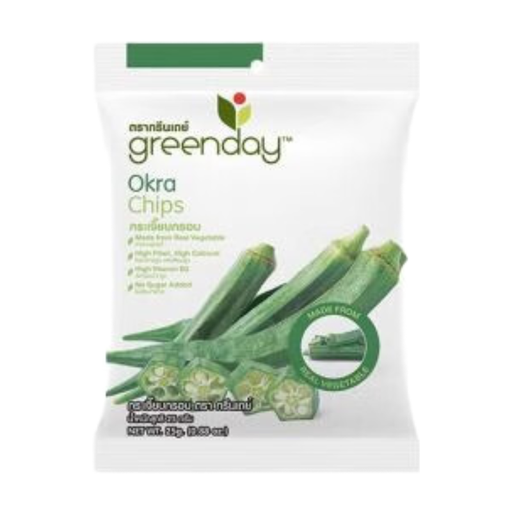 Image unavailable
An option if you’re looking for okra crisps in a small pack. The pack contains 25 g; check the label for the nutritional values per 100 g and per amount eaten.
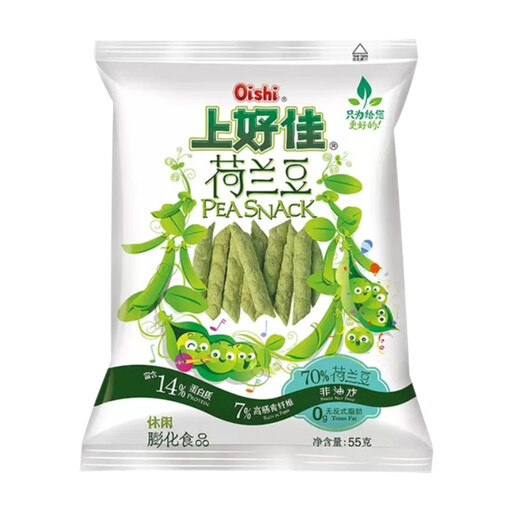 Image unavailable
A crunchy pea snack for anyone who’d also like to consider an alternative to crisps; this product isn’t described as crisps. The pack contains 55 g, so decide how much you’ll eat before comparing nutritional values per portion.
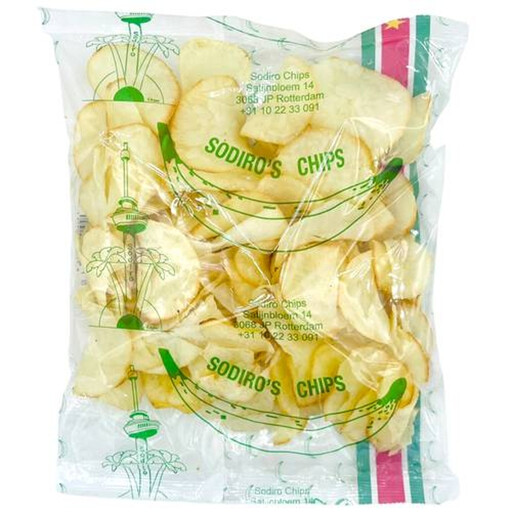 Image unavailable
Cassava crisps for anyone who’d like to compare this variety with other types of crisps. The pack contains 100 g; decide on your portion beforehand and check the label for the corresponding energy, protein and salt values.
No, making that swap won’t lead to weight loss on its own. According to the Netherlands Nutrition Centre, it’s about taking in less energy than you use. So compare the kcal in the portion you actually eat and consider how often you snack.
No, the protein content alone doesn’t make crisps a complete post-workout meal. Check how much protein your portion provides and consider the snack as part of your overall diet.
The Netherlands Nutrition Centre recommends an average of 0.83 g of protein per kilogram of body weight per day for healthy adults. Needs can vary depending on the person and their circumstances; use the protein figure for crisps as product information, not as a personal nutrition target.
No, it varies by product and variety. Albert Heijn describes AH Proteïne Crisps Paprika as vegan and gluten-free, but states that it may contain milk, sesame seeds, soya and lactose; Body & Fit Smart Protein Chips contain soya, and Jumbo lists milk for The Organic Crave Sour Cream & Onion. Read the current packaging for the product you choose.