
Vandaag of morgen in huis

Kwaliteit gegarandeerd

Welkomstaanbiedingen ontgrendelen: GRATIS bezorging | Tot 80% korting | Gratis 30 dagen JoyPlus-proefperiode
Download de app
If you exercise regularly or simply want to add more protein to your daily diet, you’ll quickly come across high-protein sports nutrition. Think protein bars for on the go, whey protein after a workout, or protein water as a lighter alternative to a creamy shake.
However, a flashy packet doesn’t tell you everything. As Joybuy Product Recommendation Officer, I therefore focus on verifiable information: the amount of protein per serving, the sugar content, the ingredients, and how you intend to use the product.
A protein bar with a high protein content per 100 grams can still contain relatively many calories, fats or carbohydrates. So also look at the serving size. A 55-gram bar and a 74-gram bar aren’t directly comparable if you only look at the percentage.
Check at least:
Sugar-free protein snacks often contain sweeteners such as maltitol, sucralose or steviol glycosides. With polyols, including maltitol, a high intake can have a laxative effect. This is also stated on the product information of various bars.
So read the full ingredients list. A product without added sugar can still contain carbohydrates, sweeteners and relatively many calories.
Protein bars, protein powder and protein drinks are intended as a supplement to a varied diet. They don’t automatically replace a meal that includes vegetables, wholegrain products and other nutrients.
For sports nutrition after exercise, a bar or shake can be practical. If you’re going to be on the go for a longer period, it’s wise to also look at the total nutritional value and how filling it is.
Whey protein comes from milk. Whey protein powder often contains a combination of whey concentrate, whey isolate and sometimes hydrolysed whey protein. Check whether the product contains milk and possibly soya if you need to consider allergies or intolerances.
Plant-based alternatives, such as pea or other plant protein isolates, can suit a vegan lifestyle. Optimum Nutrition Clear Protein, for example, states 20 grams of protein per 28-gram serving and a vegan composition according to the product information.
With bars, the amount of protein per serving varies. Barebells states 20 grams per 55-gram bar, while some Nutramino XL bars deliver 25 grams per 74-gram bar. Always compare the same unit: per serving and per 100 grams.
A low sugar content can be relevant if you want to use less sugar, but it doesn’t tell the whole story. Also pay attention to:
According to the nutritional information provided, the Liga Protein Bar Peanut contains 15 grams of protein and 24 grams of sugar per 100 grams. This makes this bar different from a product that is primarily formulated for a low sugar content.
Always check the current packaging for milk, soya, peanuts, nuts, gluten and other allergens. Products may also be made in a factory where other allergens are handled.
With powders, also pay attention to the recommended amount of water. Optimum Nutrition Gold Standard states approximately 24 grams of protein per serving of around 30 grams, to be mixed with 180 to 240 millilitres of water or milk. Applied Nutrition Critical Whey advises 30 grams of powder with 300 to 400 millilitres of cold water. Follow the instructions on the packaging, as the composition and preparation advice can change.
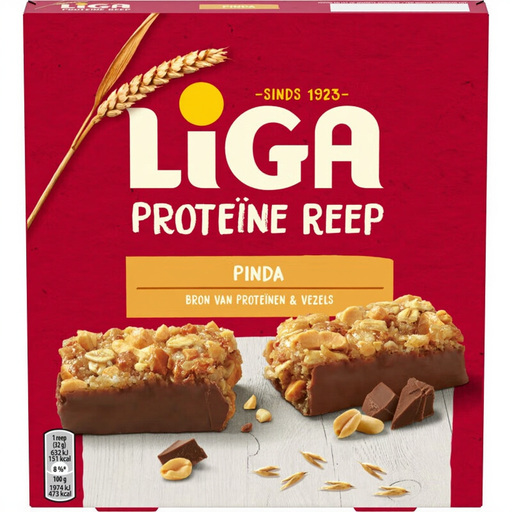
Why this fits the profile: An accessible bar for anyone who wants to try different high-protein snacks without immediately buying a large tub of protein powder.
The nutritional information states protein, sugar, fat, fibre and calories per 100 grams, so you don’t have to rely solely on the marketing name.
A source of protein and fibre according to the product description; with peanuts and crunchy whey protein pieces.
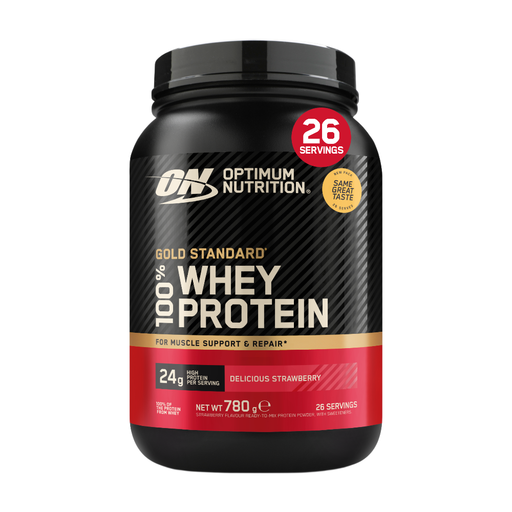
Why this fits the profile: A powder pack with approximately 26 servings for adults who train regularly and want to build a consistent routine.
The product information states the serving size of 30 grams, approximately 24 grams of protein and around 1.2 grams of sugar per serving.
Whey protein blend with isolate, concentrate and hydrolysed isolate; can be mixed with water or milk.
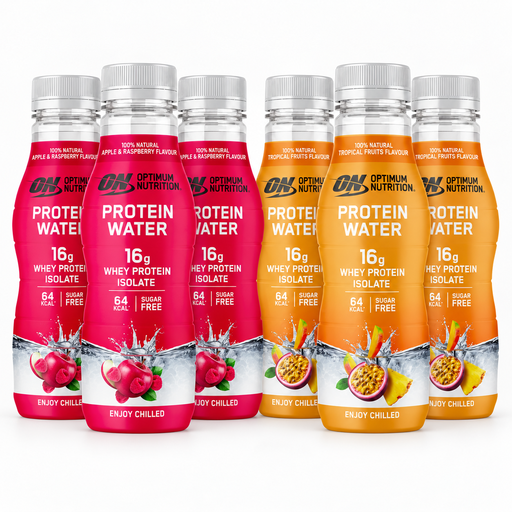
Why this fits the profile: Handy for athletes who don’t want to mix a thick shake after training and prefer to take a ready-to-drink protein drink with them.
Each bottle states 16 grams of whey protein isolate, 64 kcal and 0 grams of sugar. This means the relevant values are visible per use.
Six bottles in two fruit flavours; ready to drink and, according to the product information, fat-free and sugar-free.
We’ve put together a full, up-to-date list of products that fully meet these strict selection criteria and comply with current European safety regulations.
That depends on when you eat and your preference. A whey shake is easy to measure and fits a regular sports routine. A protein bar is more convenient on the go, while protein water offers a ready-to-drink option without a creamy texture. Pay particular attention to the amount of protein per serving and the total nutritional value.
The shelf life is stated on the packaging. Generally, store protein powder in a cool, dry place away from direct sunlight. Seal the packaging well after use. Do not use the product if the packaging is damaged or if the smell, colour or texture is clearly different.
No. “Sugar-free” doesn’t mean the bar is low in calories or suitable for everyone. Check the sweeteners, polyols, fats, allergens and serving size. If you have a food allergy, you should always consult the current ingredients list on the packaging.
