
Vandaag of morgen in huis

Kwaliteit gegarandeerd

Welkomstaanbiedingen ontgrendelen: GRATIS bezorging | Tot 80% korting | Gratis 30 dagen JoyPlus-proefperiode
Download de app
Anyone looking for high-protein snacks will soon come across protein bars, protein snacks, porridge and snack bundles. However, eye-catching packaging says little about what is inside. A bar may contain plenty of protein, but also relatively high levels of calories, sugars or sweeteners. An oat-based breakfast product may be high in fibre, yet provide very little protein.
For athletes, fitness enthusiasts and active adults, choosing the right product involves more than simply looking for the claim “high protein”. Pay attention to the nutritional values per serving, ingredients, allergens, flavour preferences and when you intend to enjoy the snack.
Packaging often lists nutritional values per 100 grams. This makes products easier to compare, but serving sizes can vary considerably. A 55 g bar containing 20 g of protein is quite different in practice from a product whose nutritional values are given per 100 grams, where you need to weigh out the serving yourself.
Always check:
Sugar-free protein bars often contain sweeteners or polyols, such as maltitol, sucralose or glycerol. This can reduce the sugar content, but the product may still be high in calories because of fats, chocolate coating or other carbohydrates. Excessive consumption of polyols may also have a laxative effect, so check the warning on the packaging.
“Without added sugars” does not automatically mean that the product contains no sugars. Check the “of which sugars” line in the nutrition table.
Terms such as “natural”, “high in fibre” or “suitable for recovery” should always be considered alongside the complete product specifications. A brand’s own research may support certain claimed effects, but such claims are not a general guarantee for every user. That is why this guide focuses on verifiable information, such as protein, fibre, sugar, serving size and allergens.
Protein can come from milk, whey, soya, collagen or plant-based ingredients. If you want a straightforward high-protein snack after exercising, focus mainly on the amount per serving. A bar containing 20 to 25 g of protein offers a different balance from an oat-based product containing 14 g per 100 grams.
Also check the allergens. Many protein bars contain milk, soya, peanuts or nuts. If you have an allergy or intolerance, always follow the ingredients list on the current packaging.
Compare both sugars and the total carbohydrate content. A product may contain little sugar but still provide a substantial amount of carbohydrates. For products containing sweeteners, it is sensible to read the warnings rather than relying solely on the front of the packaging.
High-fibre snacks can be a good choice for breakfast or as a snack, but fibre does not automatically make a product high in protein. According to the nutritional information provided, Leev Dutch Oatmeal contains 10 g of fibre and 14 g of protein per 100 grams. Quaker Oats Express Protein lists 7.2 g of fibre and 22 g of protein per 100 grams. These are useful figures for comparing breakfast products.
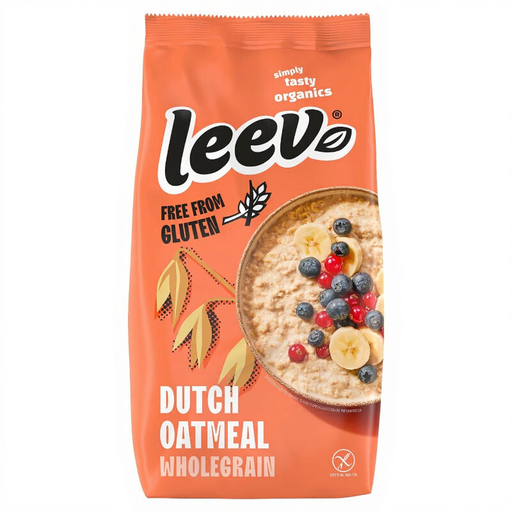
Why it suits this profile: A basic product with one ingredient: 100% wholegrain, gluten-free organic porridge oats, according to the product information. Prepare it with milk, yoghurt or quark.
The ingredients list is straightforward. You are not paying for a long blend of sweeteners, coatings or flavour fillers.
14 g of protein and 10 g of fibre per 100 g, with just 1 g of sugar per 100 g.
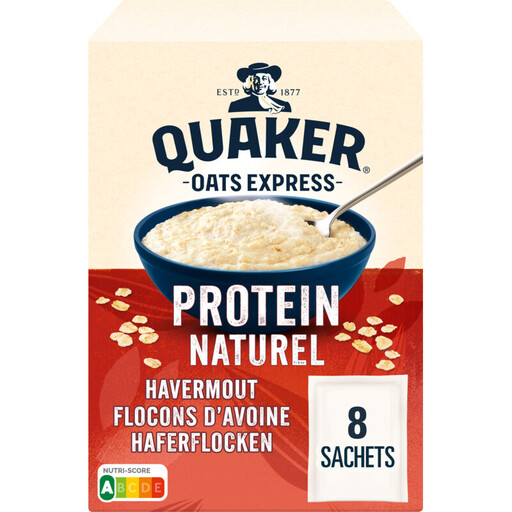
Why it suits this profile: Ideal for anyone who wants to make a high-protein breakfast quickly. The stated preparation time is two minutes.
The table lists values per 100 g, allowing you to compare sugar, fibre and protein with other breakfast products.
22 g of protein, 7.2 g of fibre and 1.2 g of sugar per 100 g; made with 85% wholegrain oats and 15% soya protein.
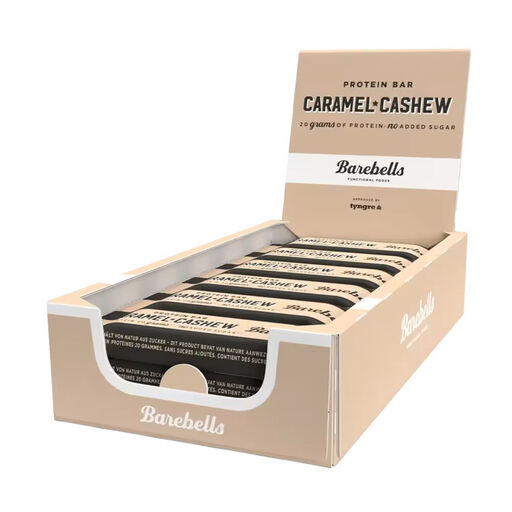
Why it suits this profile: A multipack for athletes who regularly need snacks after exercising or while out and about.
The specifications are given per bar: 20 g of protein, 200 kcal and 1.5 g of sugar per serving. The packaging also states that it contains 5 g of polyols.
12 individually wrapped 55 g bars, with 20 g of protein and 3.1 g of fibre per bar; contains cashew and peanuts.
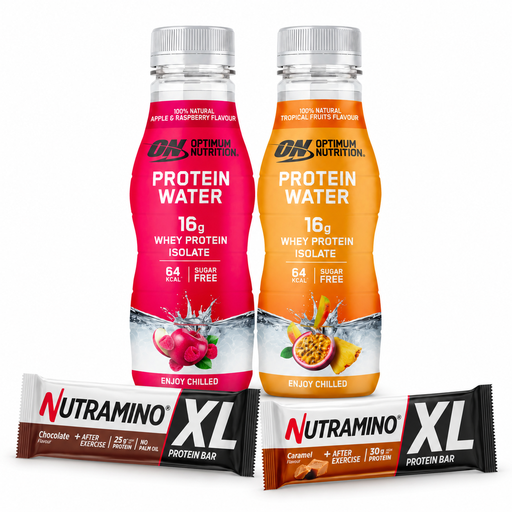
Why it suits this profile: Combines two protein drinks with two protein bars, so you can alternate between drinking and eating after training or during a busy day.
The bundle shows the serving for each component: 16 g of protein per bottle and 25 g per Nutramino bar. This keeps the bundle’s composition clear.
Two 350 ml drinks with 64 kcal and 0 g of sugar per bottle, plus two 74 g bars containing 25 g of protein each.
We have put together a complete, up-to-date list of products that fully meet these strict selection criteria and the applicable European safety regulations.
Look for a clearly defined serving containing, for example, 20 g of protein or more, but also take calories, sugar and your overall meal pattern into account. A protein bar, protein drink or porridge with extra protein can be a practical choice. Always check the current ingredients list and allergen information.
That depends on the product’s composition and your personal needs. A bar is easy to take with you, but it does not always contain enough fibre or volume to make up a complete meal. High-protein breakfast products such as porridge can offer greater flexibility: add yoghurt, quark or fruit, for example, and adjust the serving size to suit you.
The shelf life is stated on the packaging. Store bars and dry breakfast products in a cool, dry place away from direct sunlight. Seal opened packaging properly. An opened protein drink should be stored according to the product instructions; for the Protein Water mentioned, refrigeration and use within 24 hours are recommended. If the packaging is damaged, check the manufacturer’s instructions first.
