
Vandaag of morgen in huis

Kwaliteit gegarandeerd

Welkomstaanbiedingen ontgrendelen: GRATIS bezorging | Tot 80% korting | Gratis 30 dagen JoyPlus-proefperiode
Download de app
If you’re looking for high-protein snacks, you’ll usually want something that’s quick to prepare, easy to take with you and fits into your daily diet. But eye-catching packaging doesn’t always tell the whole story. A bar might be high in protein but also contain plenty of sweeteners or saturated fat. Chicken snacks can be convenient, but they need freezer space and require cooking.
Use these checks to avoid a disappointing purchase and find high-protein snacks, protein bars, fish snacks or snacks for the air fryer that suit you.
A marketing claim doesn’t tell you how much protein you’ll actually get per serving. Always check the nutrition table. Pay attention to:
A bar with 20 g of protein might be a convenient choice, but a smaller snack with 13 g of protein could be enough for a light bite.
High-protein snacks aren’t automatically healthy snacks. Some bars contain chocolate, palm fat, sweeteners or a relatively high number of calories. Other snacks, such as tinned tuna or chicken nuggets, may contain more salt.
So check the whole label. A protein bar is especially handy on the go or after exercise; a tuna bowl can be more like a small meal.
Milk, soya, peanuts, gluten, eggs and fish are common in protein snacks. Check the ingredients in bold and the allergen information, even if you’ve bought the product before.
Also check whether the product is:
Compare products on the same basis. A 55 g bar with 20.4 g of protein isn’t directly comparable with a product that only lists its protein content per 100 g. If needed, work out the amount for the portion you’ll actually eat.
Examples from the range:
These figures come from the product information. They don’t indicate whether a product meets your individual nutritional goals; that depends on your overall diet.
Individually wrapped bars, tuna products and fish snacks are convenient on the go. For a family or a quick meal, air fryer snacks are often more practical. If so, check the cooking instructions and temperature on the packaging.
According to the product information, Qualiko Tempura Chicken Bites can be cooked in a pan, oven, deep fryer or air fryer. Ajinomoto Chicken Nuggets have air fryer instructions of around 8 to 10 minutes at 180 °C. The exact cooking time may vary depending on your appliance.
Don’t just check the protein content; look at the protein source too:
A halal label doesn’t automatically mean a product is suitable for every other dietary requirement. Always check the latest ingredients list.
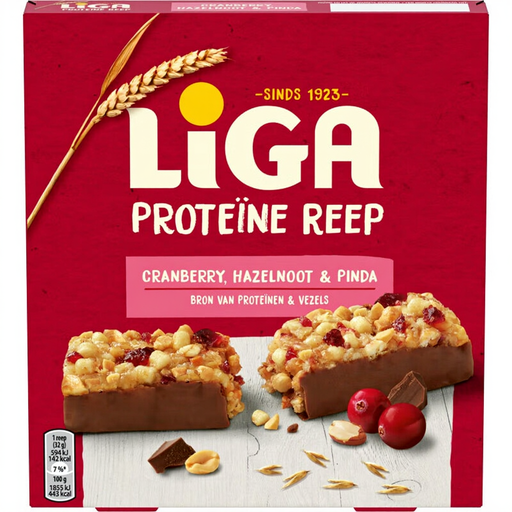
Why it suits this shopper: An easy option if you want to try a bar for when you’re out and about, at work or as a simple snack.
The product information lists 14 g of protein and 3.5 g of fibre per 100 g. This means you can check the label rather than relying on the wording on the pack.
A shelf-stable bar with oats, cranberry and hazelnut, according to the ingredients list. Please note: it contains milk, peanuts, hazelnuts, soya, wheat and gluten.
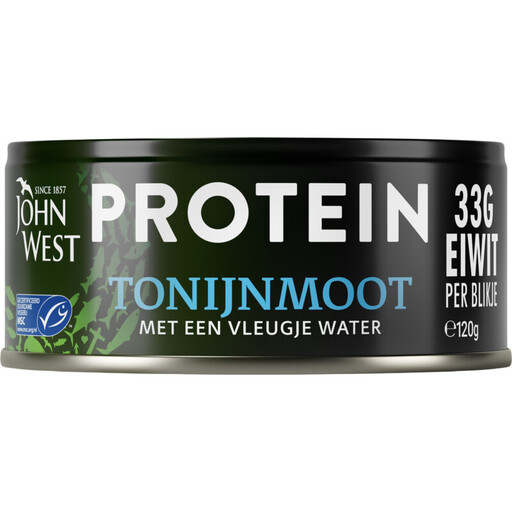
Why it suits this shopper: A good choice if you want a ready-to-eat source of protein for lunch, after exercise or as a quick meal-time snack.
The product information lists 28 g of protein per tin and a short ingredients list of tuna, water and salt. This makes it easier to compare with other products.
Ready to eat and MSC-certified according to the product information. Contains fish; check the use-by date and storage instructions on the packaging.
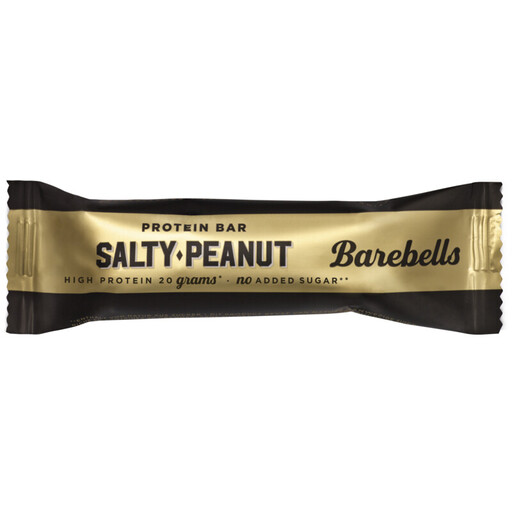
Why it suits this shopper: An individually wrapped bar for sports and fitness enthusiasts who want a compact snack after training or between meals.
The nutrition information lists 37 g of protein per 100 g and 5.6 g of fibre per 100 g. It also warns that excessive consumption may have a laxative effect.
Each bar weighs 55 g and contains roasted peanuts and milk chocolate, according to the product description. Contains milk and peanuts; may also contain soya, gluten and nuts.
We’ve put together a full, up-to-date list of products that meet these strict selection criteria and current European safety requirements.
For families, chicken nuggets are a quick option. According to the product information, Mora O&A Chicken Nuggets contain 15 g of protein per 100 g and can be cooked in an air fryer. Qualiko Tempura Chicken Bites list 18.6 g of protein per 100 g and are halal according to the product description. For frozen products, always check the temperature, cooking time and allergen information.
If you’d prefer a ready-made meal, take a look at a John West Protein Tuna Bowl with quinoa, pulses and vegetables. The product information lists 13 g of protein per 220 g serving. For a plant-based option, Yamato Fried Bean Curd lists 14 g of protein per 100 g, with soya as its main allergen.
Individually wrapped protein bars, tinned tuna and fish snacks are easy to take with you. In warm weather, choose a product that the label says can be stored outside the fridge. Store an opened tin or chilled meal according to the packaging instructions, and eat it promptly.
That depends on your overall diet and personal preference. Compare the protein content per bar, calories, sugar and sweeteners. Products containing polyols may have a laxative effect if consumed in excess. So follow the instructions on the label.
Store frozen products at the stated temperature and don’t let them thaw unnecessarily. Cook them thoroughly according to the instructions. Many products shouldn’t be refrozen once thawed. Always check the latest packaging, as cooking advice can vary from product to product.
