
Vandaag of morgen in huis

Kwaliteit gegarandeerd

Welkomstaanbiedingen ontgrendelen: GRATIS bezorging | Tot 80% korting | Gratis 30 dagen JoyPlus-proefperiode
Download de app
A quick protein bar after exercise, a protein drink for when you’re out and about, or protein powder for home: high-protein snacks are practical, but the wide range of options does not always make choosing easy. Eye-catching packaging says little about nutritional value. Terms such as “low sugar”, “high protein” and “no added sugars” do not tell the whole story either.
If you mainly look at the front of the packaging, you may end up buying a product that does not suit your nutritional goals, budget or taste. So watch out for the following pitfalls before ordering a box of protein bars or sports nutrition products.
A low-sugar protein bar may still contain relatively high levels of carbohydrates, fats or polyols. For example, the product information for some bars lists maltitol, glycerol or other sweeteners alongside the sugar content. Excessive consumption of polyols may have a laxative effect. So always check the nutritional values per bar, not just per 100 grams.
“20 grams of protein” sounds clear, but also look at the serving weight. A 55-gram bar and a 60-gram bar are not directly comparable. Also check the source of the protein. Milk proteins, whey, collagen, soya and beef protein have different properties and are not suitable for everyone.
A bar may contain no added sugars but still contain milk, soya, peanuts, nuts or gluten. If you have an allergy or intolerance, the full ingredients list is the deciding factor. Recipes and packaging can change, so check the current product packaging every time you buy.
For a high-protein protein bar, it is practical to compare the protein content per item. The range includes several bars with around 20 grams of protein per serving. This makes comparison easy, as long as you also consider the serving weight and overall nutritional value.
For example, a muesli bar may contain less protein than a protein bar but still be suitable as a light snack. The Hero B’Tween Zero products list approximately 7 grams of protein per 100 grams, making them more suitable as cereal bars than as complete high-protein snacks.
Pay attention to three separate values:
According to the product information, Barebells Protein Bars Caramel & Cashew contain 20 grams of protein and 1.5 grams of sugar per 55-gram bar. The bar also contains polyols and approximately 200 kcal per item. This may work as a snack between meals, but the bar is not a low-calorie choice for every nutritional plan.
Check whether the product matches your preferences. Whey and milk protein are not suitable for people who avoid dairy. Soya protein is an alternative for some users, but it may also be a problem if you have an allergy. Collagen is an animal-based source of protein and is not suitable for a vegetarian or vegan diet.
If you would rather not eat a bar, you can choose protein powder. According to the product description, Lucovitaal Pure Hybrid Protein combines whey protein concentrate with soya protein isolate. According to the product specifications, Applied Nutrition Beef-XP uses beef protein isolate and lists a serving of 27.2 grams of protein per 30 grams of powder. Always check the current dosage and ingredients on the label.
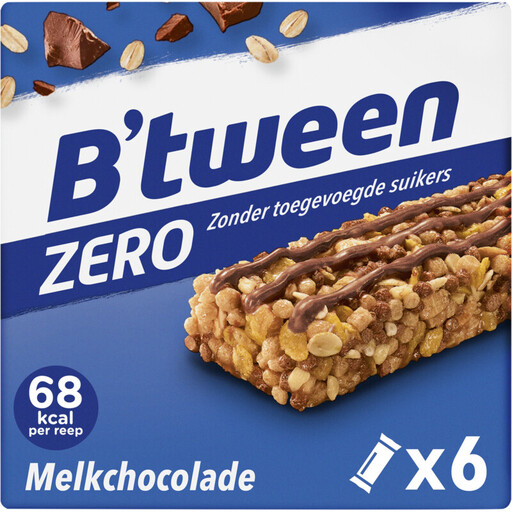
Why it suits this profile: An accessible cereal bar for anyone who occasionally wants to take a snack with them without immediately buying a large box of protein bars.
The product information clearly states the protein content, calories and polyols. This makes it clear that it is a cereal bar, not a protein bar containing 20 grams of protein.
Individually wrapped, suitable for taking on the go and, according to the product information, free from added sugars.
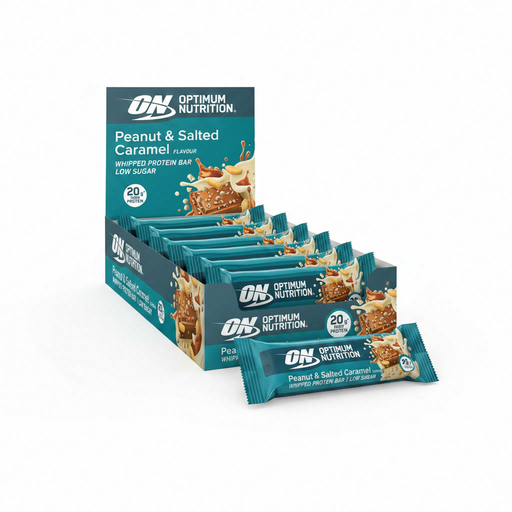
Why it suits this profile: The product information states that each bar contains 20 grams of protein, with a high-fibre formula combining peanut, caramel and a white chocolate coating.
The protein and serving information is clearly specified. However, note that the supplied information gives both 68 grams in the name and 60 grams per bar in the product specifications, so check the label.
10 individually wrapped bars, suitable as a protein bar after exercise or as a high-protein snack when you’re out and about.
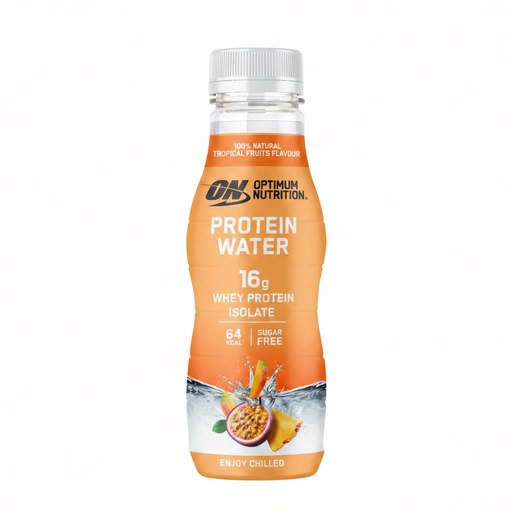
Why it suits this profile: A drinkable option for people who exercise but do not want a creamy shake or solid bar. According to the product information, the bottle contains 16 grams of whey protein isolate.
The packaging states the protein content per bottle and lists the ingredients. According to the product description, the drink contains no sugar and provides 64 kcal per bottle.
Ready to drink, easy to take with you chilled and requires no powder or shaker.
We have put together a complete, up-to-date list of products that fully meet these strict selection criteria and the applicable European safety regulations.
Choose an individually wrapped protein bar, protein drink or small portion of protein powder that is easy to mix. Pay attention to storage instructions, serving size and allergens. A bar is ready to use straight away; powder requires water, milk or a plant-based alternative.
No. A protein bar after exercise is mainly a convenient option when a regular meal is not immediately available. Yoghurt, quark, eggs, pulses or a meal containing fish and meat can also provide protein. Use sports nutrition as a supplement to a varied diet, not as a replacement for it.
No. Compare the nutritional values per serving. Some products contain little sugar but plenty of polyols, fats or calories. Also check the ingredients list and take your total daily nutritional intake into account.
