
Vandaag of morgen in huis

Kwaliteit gegarandeerd

Welkomstaanbiedingen ontgrendelen: GRATIS bezorging | Tot 80% korting | Gratis 30 dagen JoyPlus-proefperiode
Download de app
You want to increase your protein intake. Maybe it's for muscle growth, weight management, or simply as part of a healthier lifestyle. The shelves, both in physical stores and online, are packed with products promising to be "protein-rich" or "high protein." But how do you separate the good from the bad? Many products aren't what they seem. Before you fill your shopping cart, it's wise to be aware of a few common pitfalls:
This guide will help you look past the marketing and make choices that truly align with your goals.
To make a good purchase, it's helpful to focus on the specifications. Pay attention to the following three points on the label before you decide to buy high-protein products.
Not all proteins are created equal. The source determines the amino acid profile and how your body uses it. Animal sources like meat, fish, eggs, and dairy (whey, casein) typically contain all essential amino acids. Plant-based sources such as soy, legumes, and grains are also excellent, but sometimes you need to combine them to get a complete profile. Check the ingredients list to see where the protein in your high-protein foods comes from.
A product can technically be "high-protein," but if it's also extremely high in calories, it might not be the right choice for weight management. A useful metric is the amount of protein per 100 calories. Products like lean meat, fish, and some protein powders score high here. This is especially important if you're looking for muscle-building nutrition without consuming unnecessary calories.
Many processed high-protein products, like a protein bar or ready-to-drink shakes, contain added sugars to improve the taste. Always check the label under "Carbohydrates," and specifically "of which sugars." A product that is low-carb and high-protein should ideally contain little to no added sugars. This makes it a better choice for maintaining stable blood sugar levels and supports your health goals.
Based on objective product specifications, we have selected a few options that suit different needs and lifestyles.
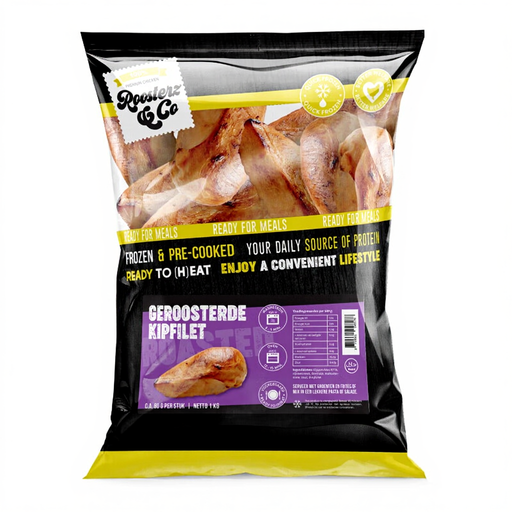
Why This Fits Their Persona: For athletes who need a quick, nutritious meal after a workout, convenience is key. This pre-cooked product can be used immediately in salads, wraps, or as part of a hot meal, saving a significant amount of time.
This is pure meat without hidden sugars or unnecessary additives. The taste is natural, not artificial, and the 1kg packaging offers excellent value for money per gram of protein.
Extremely high protein content (27.9g per 100g) with minimal fat (0.8g) and carbohydrates (1.1g). Ideal for pure muscle-building nutrition.
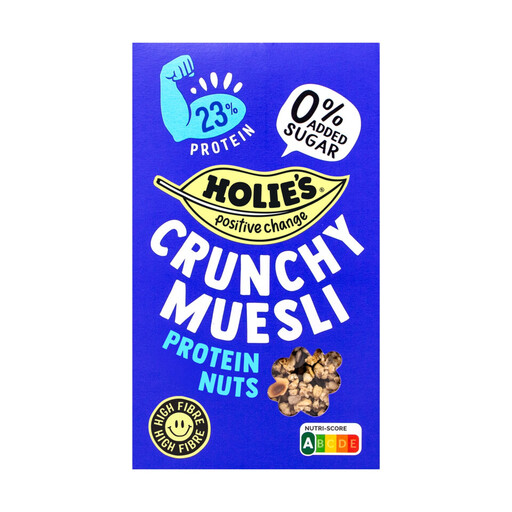
Why This Fits Their Persona: Perfect for those who want to start their day with a filling and nutritious breakfast. This muesli combines protein with fibre for a sustained feeling of fullness, without the mid-morning sugar crash.
The label is clear: no added sugars. The flavour comes from natural ingredients like nuts and seeds, not from artificial sweeteners. This is an honest product that delivers what it promises.
A powerful high-protein breakfast with 22g of protein and 21g of fibre per 100g. At 2.1g, the sugar content is very low.
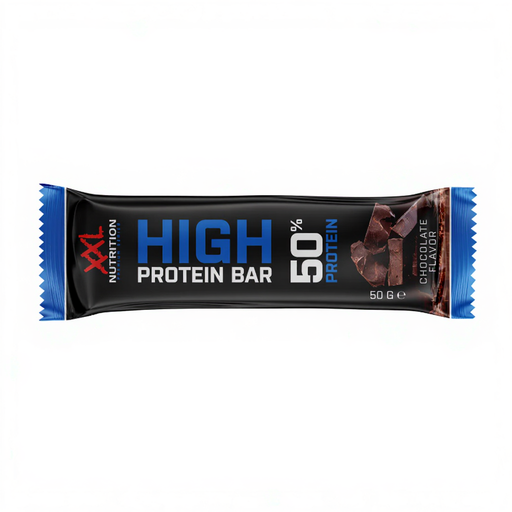
Why This Fits Their Persona: For that moment between meals, or after a workout when you're on the go. This bar is designed for maximum protein intake in a compact, easy-to-carry format.
This bar tackles the sugar trap head-on with only 0.7g of sugar per bar. According to the manufacturer, XXL Nutrition, the taste has been improved, and the price per gram of protein is competitive for a specialised protein bar.
Delivers an impressive 25g of protein per 50g bar (50% protein). One of the most concentrated high-protein snacks on the market.
We have compiled a complete, up-to-date list of products that fully meet these strict selection criteria and UK regulations.
The required amount of protein is personal and depends on factors like your weight, activity level, and goals. For athletes focused on muscle growth, an intake between 1.6 and 2.2 grams of protein per kilogram of body weight per day is often recommended. It is always wise to consult a dietitian or nutritionist for personalised advice.
No, definitely not. High-protein foods can be beneficial for everyone. Proteins contribute to a feeling of satiety, which can help with weight management. They are also essential for maintaining muscle mass, which becomes particularly important as we age. A high-protein breakfast or a high-protein snack can be a smart addition to anyone's diet.
For most healthy people, a high-protein diet is generally safe. The body uses what it needs and breaks down the rest. However, an extremely high intake can be taxing on the kidneys in the long term, especially for individuals with a predisposition to kidney issues. As with everything in nutrition, balance is key.
