
Vandaag of morgen in huis

Kwaliteit gegarandeerd

Welkomstaanbiedingen ontgrendelen: GRATIS bezorging | Tot 80% korting | Gratis 30 dagen JoyPlus-proefperiode
Download de app
If you’re looking for high-protein foods, you’ll usually want to make a quick choice: a protein bar for when you’re out and about, a filling lunch after exercise or a ready-made high-protein meal for a busy working day. But a big word like “protein” on the packaging doesn’t tell you everything. Protein content, portion size, allergens and preparation method all determine whether a product really fits your routine.
As a Joybuy Product Recommendation Officer, I check product information against verifiable features. That way, you can avoid paying for marketing terms alone.
A product may be called “high-protein” even though a full portion contains relatively little protein. So check:
For example, a meal with 5.6 grams of protein per 100g may still be a handy quick meal, but it isn’t comparable to a protein bar containing around 20 grams of protein per bar.
Protein bars often contain sweeteners such as maltitol, sorbitol, erythritol or sucralose. According to product information from various brands, excessive consumption of polyols may have a laxative effect. So check the ingredients list and nutrition table, not just the front of the packaging.
Protein bars can also be relatively high in fat and calories. They’re most useful as a snack, rather than as an automatic replacement for a varied meal.
Frozen products need to be stored in a freezer at a suitable temperature. Products such as meat, chicken meals and fish dishes must remain frozen until you’re ready to prepare them. According to the product instructions, they usually shouldn’t be refrozen once thawed.
For high-protein products with a long shelf life, also check the packaging for damage and always follow the information on the actual label. The packaging may contain more up-to-date or more detailed information than an online product page.
For snacks, protein per bar is often the most useful measure. For example, a 55g bar containing 20.4 grams of protein will fit in a bag or gym locker. For granola, meat and tuna, protein per 100g is a better way to compare products fairly.
Also consider the source:
Check which allergens are highlighted in bold on the label. Many protein bars contain milk and soya; some also contain peanuts, nuts, gluten or collagen. For example, a bar containing milk protein and bovine collagen isn’t suitable for a vegan diet.
Ready-made meals may also contain fish, celery, sulphites, peanuts or egg. So always read the product information before buying and eating a product.
Choose a product that suits when you’ll need it:
A convenient meal is less useful in practice if you can’t store or prepare it in time.
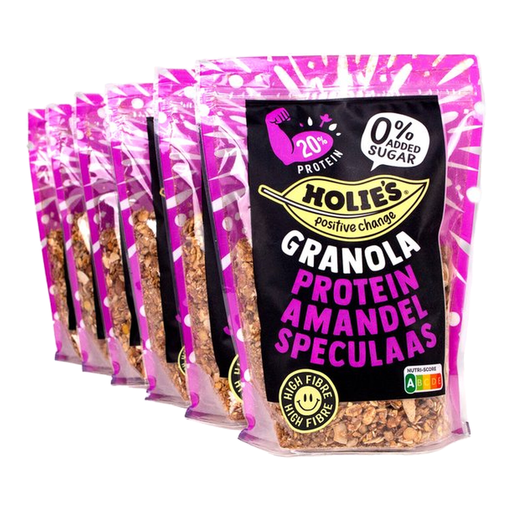
Why it suits this profile: This multipack is a simple way to add more protein to your breakfast. According to the product information, the granola contains 20 grams of protein and 14 grams of fibre per 100g.
The nutritional information per 100g makes it easier to compare products than relying on the word “protein” in the name. Check the current packaging, though, as the product information provided includes several nutrition tables.
A breakfast-sized pack for everyday use; contains oats, barley, spelt, soya, peanuts and almonds, among other ingredients. Not suitable for anyone with allergies to these ingredients.
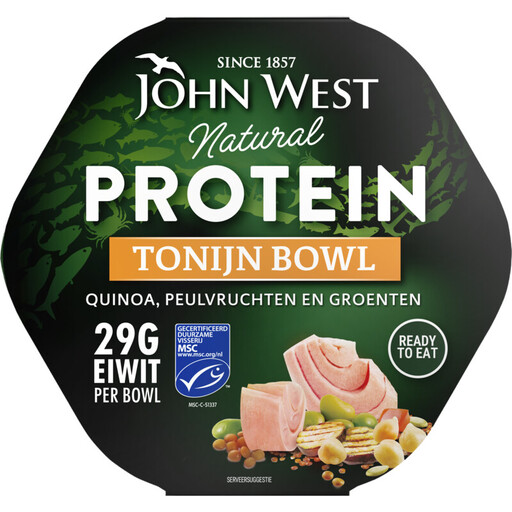
Why it suits this profile: This ready-made bowl is designed for a cold lunch with no cooking required. According to the product information, the portion contains tuna, soya, chickpeas, lentils, quinoa and vegetables.
The portion size, preparation method and ingredients are clearly stated. The product information lists 13 grams of protein per 100g, which works out at around 28.6 grams per 220g pack based on this figure.
Ready to eat cold; according to the product information, contains 3.6 grams of fibre per 100g. Contains fish and soya, and may contain gluten or mustard.
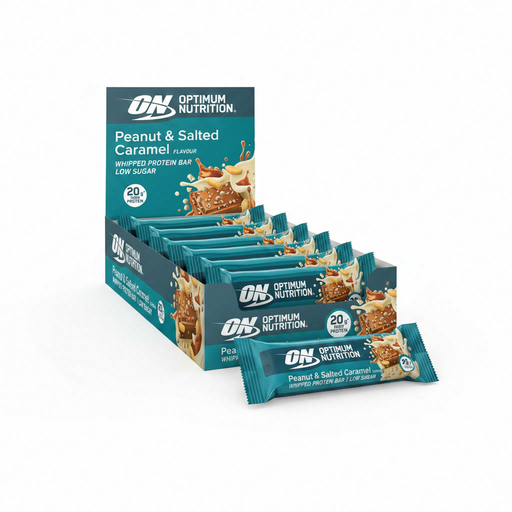
Why it suits this profile: A box of individually wrapped bars is ideal for sportspeople and active adults who like to have snacks ready for work, training or travel.
The product information states that each bar contains 20 grams of protein. It also lists sweeteners and notes that excessive consumption may have a laxative effect, helping you make a more informed choice about portions and use.
Ten individually wrapped bars; according to the product information, suitable for vegetarians. Contains milk, soya and peanuts; may contain gluten, eggs and nuts.
We’ve put together a complete, up-to-date list of products that meet these strict selection criteria and the current European safety requirements.
A practical daily plan could look like this:
A product shouldn’t be judged on its protein content alone. Also consider fibre, salt, fat, carbohydrates, ingredients and how much veg or pulses it contains. That way, healthy protein snacks and high-protein meals can fit more easily into your overall diet.
Options range from fish, meat, eggs, dairy and pulses to protein bars, granola and ready-made meals. Always compare the protein content per 100g or per portion. Without a nutrition table, the term “high-protein” doesn’t tell you how much protein you’ll actually get.
That depends on your overall diet, the ingredients and the portion size. Check the sweeteners, allergens, calories and fat content. According to the packaging, products containing polyols may have a laxative effect if consumed in excess.
Follow the storage and preparation instructions on the label. Frozen meals must stay frozen until you’re ready to use them and generally shouldn’t be refrozen once thawed. Once opened or thawed, they often have a limited storage time in the fridge.
