
Vandaag of morgen in huis

Kwaliteit gegarandeerd

Welkomstaanbiedingen ontgrendelen: GRATIS bezorging | Tot 80% korting | Gratis 30 dagen JoyPlus-proefperiode
Download de app
Increasing your protein intake does not have to be complicated. However, the range of high-protein food is vast, from protein bars and high-protein granola to ready meals and tuna. Packaging often displays large numbers, but these do not always tell you what you need to know as a consumer.
So do not just look for the words “high protein”. Check the nutritional values, serving size, ingredients, allergens and how you plan to use the product. This helps you avoid paying for a snack that contains hardly any protein, or for a meal that does not fit your schedule.
Some products state their protein content per 100 grams, even though the packaging contains several servings. For a protein bar, it is more useful to check how many grams of protein one bar contains. With granola, you also need to consider your actual serving size: 100 grams is often more than the amount you have for breakfast.
Protein bars often contain sweeteners, polyols, fats or a chocolate coating. A low sugar content can go hand in hand with a relatively high energy value. Some products also carry a warning that excessive consumption may have a laxative effect. Always check the full table showing energy, fat, carbohydrates, fibre, protein and salt.
A meal that is high in protein is not automatically a complete meal. Also consider vegetables, fibre, carbohydrates and serving size. For example, a chicken dish with rice and vegetables may be more practical for lunch, while a protein bar is mainly intended as a snack between meals.
Use both values in the right context:
A product containing 20 grams of protein per bar is not directly comparable with granola containing 22 grams per 100 grams. The occasions when you use them are different too: you often eat granola with yoghurt or milk, while a bar is ready to eat straight away.
Check the allergens highlighted in bold on the label. Many protein bars contain milk, soya, peanuts or collagen. Granola may contain ingredients including oats, wheat, barley, spelt, almonds and hazelnuts. With fish products, fish is of course an important allergen.
Also pay attention to the type of protein source. This might include whey, milk protein, soya, wheat protein, fish, beef or chicken. If you follow a vegetarian diet, avoid lactose or do not want to use collagen, you need to look beyond the protein percentage alone.
Individually wrapped bars and ambient tuna are practical for taking with you. A frozen meal, on the other hand, requires enough freezer space and an unbroken cold chain. Follow the instructions on the packaging:
These details determine whether a product genuinely fits into your work, exercise or travel routine.
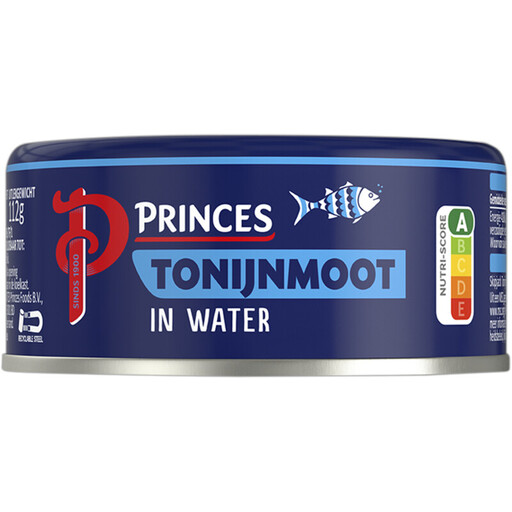
Why it suits this profile: An easy choice for anyone who wants to add more protein to a salad, sandwich or hot meal without complicated preparation.
The protein content is clearly stated per 100 grams: 23.5 grams. The ingredients list is short: tuna, water and salt.
23.5 g protein per 100 g, 99 kcal per 100 g, and suitable for cold and hot dishes.
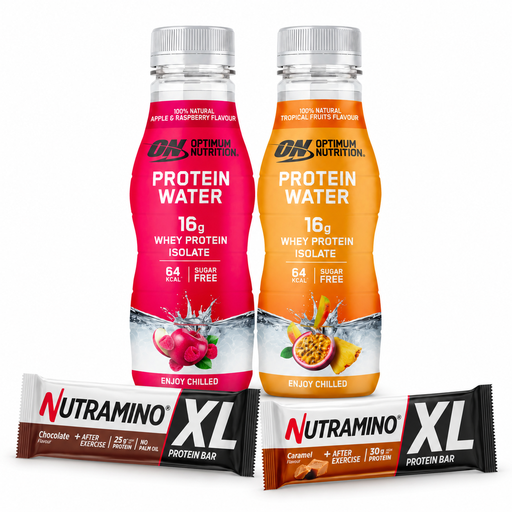
Why it suits this profile: This bundle combines a drinkable protein option with bars, allowing you to switch between different occasions and preferences.
The product information states separately that each bottle of Protein Water contains 16 g of protein and each Nutramino bar contains 25 g.
Two drinks and two bars in four flavours, with clear allergen information for milk and soya.
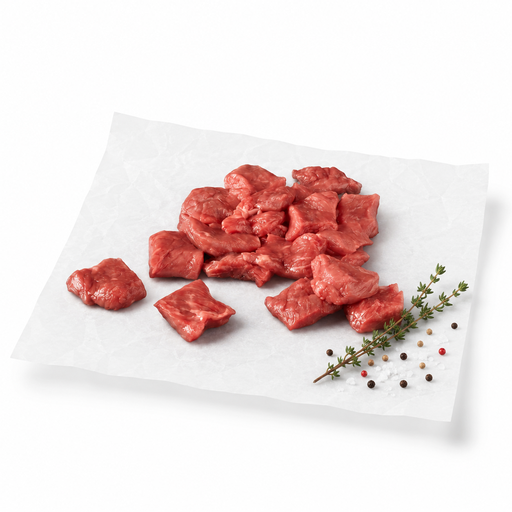
Why it suits this profile: Ideal for anyone who prefers to put together a proper meal with beef, for example in a stir-fry, salad or on skewers.
The ingredients list states 100% beef. Per 100 grams, it contains 22.9 g of protein and 1.8 g of fat.
According to the product information, it contains no carbohydrates, has 108 kcal per 100 g and comes in a 200 g serving.
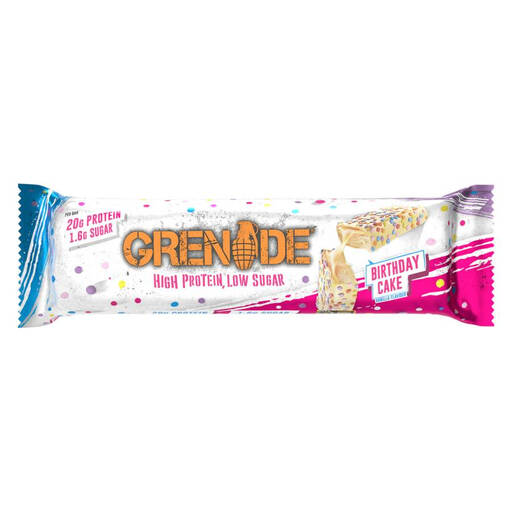
Why it suits this profile: Individually wrapped protein bars are easy to take to the office, the gym or on a longer journey.
According to the product information, each bar contains more than 20 g of protein and 1.6 g of sugar. Check the current packaging, as formulations may change.
12 individually wrapped 60 g bars, with a protein blend based on milk protein and whey.
We have put together a complete, up-to-date list of products that fully meet these strict selection criteria and the applicable European safety regulations.
The right category depends on when you plan to use it:
A product that requires little preparation may therefore offer more value than one with a higher protein figure that you rarely use. The same applies to sports nutrition: choose according to the occasion, serving size and your overall diet. High-protein products are an addition, not a replacement for a varied diet.
Choose a meal with a clear protein source, such as tuna, chicken, beef, salmon or pulses. Combine it with vegetables and a source of carbohydrates such as rice, potatoes or pasta. A ready meal can be convenient when you are short on time; just check the nutritional values for the entire serving.
That depends on your overall diet and the composition of the bar. Check the amounts of protein, calories, fat, fibre, sweeteners and salt. Some bars state that excessive consumption may have a laxative effect. Use them as a practical snack rather than automatically treating them as a replacement for ordinary meals.
This varies from product to product. Ambient bars and tuna generally have different storage requirements from frozen meals or fresh meat. Always check the date and instructions on the packaging. Additional rules may apply after opening, such as keeping the product refrigerated and consuming it within a specified period.
