
People who do sport and want a savoury, protein-rich snack
You want to know how much protein you’ll get in a real serving, without treating crisps as a substitute for a full meal.


If extra protein is the main reason you’re choosing crisps for the office snack tin, compare protein crisps by protein per serving: Albert Heijn lists 28 and 26 g per 100 g for its paprika and sweet chilli varieties, compared with 6 g per 100 g for the Lay’s Original listed there. For a shared tin, salt, serving size and the allergen information on the current packaging matter too. The Netherlands Nutrition Centre says most people who do sport don’t need special protein products if they eat a healthy, varied diet.
You want to know how much protein you’ll get in a real serving, without treating crisps as a substitute for a full meal.
You want to portion out the crisps and store them in a sealed container, while keeping the ingredients and allergen information available for colleagues.
You compare the fat content of crisps and bear in mind that less fat doesn’t automatically mean more protein.
Start with the amount of protein in the serving you actually plan to offer. For a shared tin, then check the packaging, allergen information and nutritional values.
| What to consider | What should you check? | Who is this important for? |
|---|---|---|
| Protein per serving | Compare protein per 100 g with the stated serving size. Albert Heijn lists 28 g per 100 g for Protein Crisps Paprika and 26 g for Sweet Chilli, both with a serving size of 25 g. | If I want a savoury snack after exercise, I look at the protein in the serving I’ll actually eat. For around 50% of consumers, the amount of protein is the deciding factor. |
| Sharing and storage | Check whether you can measure out portions, how to store the crisps once opened, and whether you can keep the current label with the tin. | When sharing a tin, I want to know what crisps are in it and how much I’m taking, especially if colleagues need to check for allergens. This is a priority for around 30% of consumers. |
| Fat and salt | Compare fat and salt on the same basis, for example per 100 g, then consider your serving size. Albert Heijn lists 13 g of fat per 100 g for Lay’s Oven Baked Original and 30 g for Lay’s Original. | When I choose crisps for the office, fat and salt matter more to me than a protein claim. Around 20% of consumers prioritise these nutritional values. |
A higher protein content in a snack doesn’t mean it can replace a meal. The Netherlands Nutrition Centre also says that most people who do sport don’t need special protein products if they eat a healthy, varied diet.
Choose crisps as a snack and consider the portion in the context of what else you eat.
Salt levels vary by flavour: Albert Heijn lists 0.88 g per 100 g for its Protein Crisps Paprika and 1.05 g for Sweet Chilli; for Body & Fit Smart Protein Chips Original, Albert Heijn lists 2 g.
Compare the salt values per 100 g too before choosing a variety to share regularly.
The 70 g bags of AH Protein Crisps state a serving size of 25 g. Without the packaging, colleagues also won’t be able to check the ingredients and allergens.
Measure out portions, keep the original packaging with the tin and close the tin after use.
AH Protein Crisps are labelled vegan, but according to the product information, the varieties reviewed may contain allergens including milk, sesame and soya.
Ask colleagues with allergies to check the current label on the specific pack.
Its own-brand lentil-based protein crisps, available in the paprika and sweet chilli flavours reviewed.
Smart Protein Chips Original is a soya and potato variety sold in a 23 g bag.
Protein Chips Paprika & Onion is a red lentil variety sold in a 30 g bag.
Sea salt lentil crisps are an alternative lentil variety to compare for nutritional value.
The Original and oven-baked potato crisps reviewed are useful for comparison if fat content or regular crisps matter more to you than extra protein.
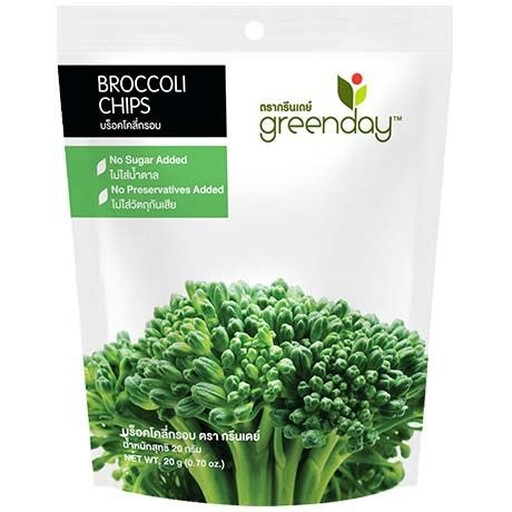
These broccoli crisps come in 20 g packs. That makes them a handy option if you’re looking for individual portions for the office snack tin. Check the nutritional information and allergens on the packaging before sharing them.
 No image available
A 20 g pack is a good choice if you want to offer crisps as an individual office snack. Keep the product packaging available so colleagues can check the current ingredients and allergen information.
No, a serving of protein crisps isn’t automatically a meal replacement. The Netherlands Nutrition Centre says most people who do sport don’t need special protein products if they eat a healthy, varied diet, so consider a savoury snack alongside the rest of your diet.
Based on the values listed by Albert Heijn, a 25 g serving contains around 7 g of protein for the paprika flavour and 6.5 g for sweet chilli. The nutritional information lists 28 and 26 g of protein per 100 g respectively; check the label of your chosen flavour when you buy it.
According to the product information, you can store the AH Protein Crisps reviewed in a sealed tin after opening. Keep the original packaging nearby so everyone can check the ingredients and allergens for those crisps.
No, one doesn’t automatically follow from the other. Albert Heijn lists 13 g of fat and 5.1 g of protein per 100 g for Lay’s Oven Baked Original, compared with 30 g of fat and 6 g of protein for Lay’s Original. Compare both nutritional values separately for the variety you want to buy.