If you’re mainly looking for a crunchy snack with more protein, compare high-protein crisps with regular crisps per 100 g and per serving: Albert Heijn lists 28 g of protein per 100 g for AH Proteïne crisps paprika, compared with 6.2 g per 100 g for Pringles Original, according to Pringles. For a quick desk lunch, it’s also worth considering whether you’ll need a separate meal as well as your snack. The Netherlands Nutrition Centre says that most people who exercise don’t need specialist protein products if their usual diet provides enough protein. Also check the salt, allergens and serving size.
Who might be interested in high-protein crisps?
People who exercise and want a post-workout snack
A bag of crisps can make a crunchy addition when you can’t have a meal straight away. Check the protein per serving and think about what else you eat during the day: according to the Netherlands Nutrition Centre, most people who exercise don’t need specialist protein products.
Office workers with a short lunch break
If you want something you can eat at your desk without any preparation, it’s practical to check the serving size and the number of servings per pack. A snack of crisps doesn’t have to take the place of lunch.
Shoppers who read labels carefully
If you’re keeping an eye on salt or allergens, the latest ingredients list and nutritional information are more useful than a protein claim on the front of the pack. When comparing different flavours, always check the information for the right pack.
What should you consider when choosing?
First decide whether you’re mainly after extra protein, a convenient snack or the taste of regular crisps. Then compare the nutritional information per 100 g and per serving: a higher figure per 100 g doesn’t tell you how much you’ll get from one bag.
| What to consider |
What to check when buying |
Who should pay particular attention? |
| Protein around exercise |
Compare the protein per 100 g and per bag, and take your other meals into account too. |
After exercising, I want to know how much protein my snack actually adds. Around 36% of consumers prioritise extra protein around exercise. |
| Convenience and portion size |
Check the weight of the bag and the number of servings per pack. |
During a short break, I want something I can eat without preparation, but I don’t want to end up having several servings without realising. Convenience is the top priority for around 29% of consumers. |
| Salt and allergens |
Read the latest ingredients list, allergen warnings and the amount of salt per serving. |
If I need to watch an allergen or my salt intake, I want to be able to check first whether the snack is suitable for me. Around 21% of consumers prioritise this label information. |
| The taste and texture of regular crisps |
Compare the flavour you’ve chosen and its nutritional information; don’t assume oven-baked crisps are also high in protein. |
I’m mainly looking for the familiar taste and crunch of crisps; extra protein is a bonus. That crisps experience matters most to around 14% of consumers. |
Common mistakes
-
Mistaking a protein claim for a complete lunch
A high-protein crisp snack won’t automatically provide everything you’d expect from a meal. The Netherlands Nutrition Centre points out that most people who exercise can get enough protein from their usual diet.
Enjoy crisps as a snack or an extra. If you need lunch, decide separately what you’d like to eat and drink with them.
-
Comparing protein content alone
The amount of salt listed varies by product: Albert Heijn gives 0.88 g per 100 g for AH Proteïne crisps paprika and 2 g per 100 g for Body & Fit Smart Protein Chips Original. Ingredients and allergens also vary between flavours.
Check the latest packaging for the flavour you’ve chosen. If you have a relevant allergy, don’t buy a product unless you can safely assess its allergen information.
-
Assuming a bag is one labelled serving
Albert Heijn lists AH Proteïne crisps paprika in a 70 g pack, with a serving size of 25 g. So the nutritional values for the stated serving don’t cover the whole bag.
Decide how much you want to eat, then compare the protein and salt for that amount.
-
Assuming oven-baked means high-protein
Lay’s claims that Oven Baked crisps contain 50% less fat than regular potato crisps. This comparison is about fat, not protein content.
If you’re looking for extra protein, check the protein value for the specific flavour in the nutritional information table.
Brands worth comparing
These brands offer examples of different snack choices. Compare the product lines and flavours mentioned using their own labels; a feature of one product doesn’t necessarily apply to the whole brand.
Albert Heijn
Albert Heijn sells AH Proteïne crisps in flavours including paprika and sweet chilli as protein snacks.
- According to Albert Heijn, the paprika flavour contains 28 g of protein and 13 g of fibre per 100 g; the stated serving size is 25 g.
- The product information lists 0.88 g of salt per 100 g and possible traces of milk, sesame, soya and lactose. Check the latest packaging.
Body & Fit
Body & Fit makes Smart Protein Chips from soya and potato, including an Original flavour in a 23 g bag.
- Albert Heijn’s product page lists 7.4 g of protein per bag for Original.
- Original contains soya, may contain gluten and lists 2 g of salt per 100 g. On the page consulted, Albert Heijn marked this flavour as discontinued.
Lay's
Lay’s Oven Baked is an option in the regular crisps range for anyone specifically keeping an eye on fat content.
- According to Lay’s, Oven Baked crisps contain 50% less fat than regular potato crisps.
- A comparison of fat content won’t tell you how much protein your chosen flavour contains; check the label for that.
Pringles
Pringles Original provides a point of comparison if you’re weighing up regular stackable crisps against high-protein crisps.
- Pringles lists 6.2 g of protein per 100 g for Original, and 2.4 g per 40 g serving.
- Original contains wheat flour and may contain milk and soya; check the packaging for relevant allergens.
Lidl
Lidl lists protein drinks and protein puddings among its sports nutrition products: another snack option if crisps aren’t a must.
- Different types of product give you the option to look beyond crisps for something to suit your snack break.
- Compare the nutritional information and serving size of the specific product; the qualities of a drink or pudding aren’t interchangeable with those of crisps.
Crisps for a snack break on Joybuy
This 20 g bag of crisps could suit you if you’re after a small, crunchy snack to enjoy at your desk. Check the nutritional information on the pack to see how much protein it adds to your lunch.
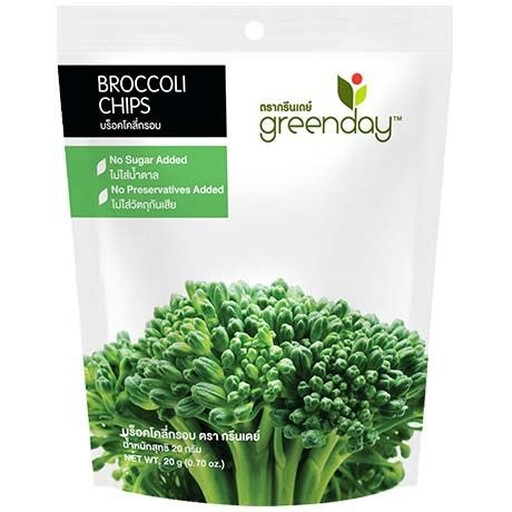 Image unavailable
Broccoli Crisps 20 g
A 20 g bag of crisps for a quick desk snack; check the protein per bag and the latest allergen information before choosing.
View on Joybuy
Frequently asked questions
Do you need high-protein crisps after exercise?
No, not if you’re one of the majority of people who exercise: according to the Netherlands Nutrition Centre, specialist protein products are generally unnecessary if your usual diet provides enough protein. A crisp snack can still be a handy option when you fancy something crunchy; consider its protein content as part of everything you eat throughout the day.
How do I compare protein crisps with regular crisps?
Start by comparing the same nutritional values per 100 g, then look at how much you’ll actually eat. Albert Heijn lists 28 g of protein per 100 g for AH Proteïne crisps paprika; Pringles lists 6.2 g per 100 g for Original. Also consider salt, allergens and serving size.
If I have an allergy, should I also check a snack labelled vegan or gluten-free?
Yes, always check the latest ingredients list and warnings about possible traces. Albert Heijn labels AH Proteïne crisps paprika as vegan and gluten-free, but also lists possible traces of milk, sesame, soya and lactose.
What should I look out for if I eat several salty snacks in one day?
Compare the salt per serving and take into account the other products you eat that day. The Netherlands Nutrition Centre recommends a maximum of 6 g of salt per day for adults as a daily total, not as a limit for one bag of crisps.


