
Same-day & Next-day Delivery

Quality Guaranteed

Unlock Your Welcome Offers: FREE Delivery | Up to 80% OFF | Free 30-day JoyPlus trial
Download the APP
A great day starts with a nutritious breakfast. You consciously choose cereals with a "healthy" image, only to find your energy crashing by mid-morning. Sound familiar? The shelves are filled with products promising a high-protein, low-sugar breakfast, but the reality is often different.
As a Joybuy Product Recommendation Officer, I'm here to help you cut through the marketing claims. We'll look at the facts on the label, so you can make a choice that truly aligns with your goals without falling into the usual traps.
The 2 most common traps when buying healthy cereals:
To avoid making the wrong choice, it's helpful to check three key values on the packaging. These specifications provide an objective picture of what you're buying.
A true protein breakfast makes a substantial contribution to your daily protein intake. Check the nutrition label for the amount of protein per 100 grams.
The sugar-free cereal claim can be misleading. The crucial information is found under "Carbohydrates," on the line "of which sugars". A low value here (ideally under 5 grams per 100 grams) is a more reliable indicator than the claims on the front. This helps prevent the dreaded sugar crash.
Fibre is essential for a feeling of fullness and healthy digestion. High-fibre cereals with more than 15 grams of fibre per 100 grams will keep you full longer. Those aiming for a low-carb breakfast can specifically look for granolas based on seeds and nuts, which often contain significantly fewer carbohydrates.
Based on these objective criteria, we have selected several products that cater to different needs and lifestyles.
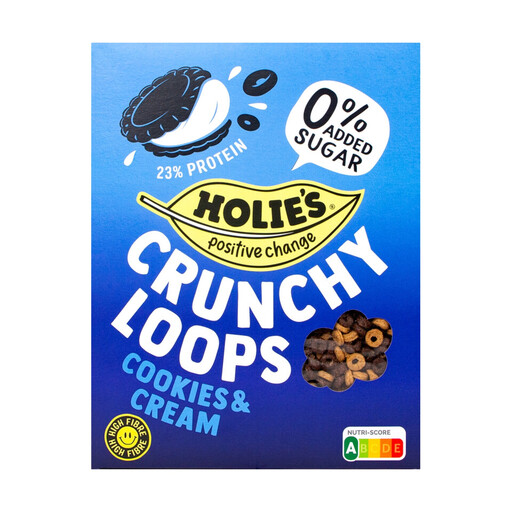
Why This Fits Their Persona: Ideal for those who want to quickly and effectively replenish protein after a workout. The flavour is a great alternative to standard shakes, and the texture stays crunchy in milk or yoghurt.
This product bypasses the 'protein marketing gimmick' by delivering a genuinely high protein content of 23 grams per 100 grams, which is objectively verifiable.
Very high in fibre (26g/100g) for long-lasting satiety. Contains 0% added sugar, with only 4.9g of sugar per 100g.
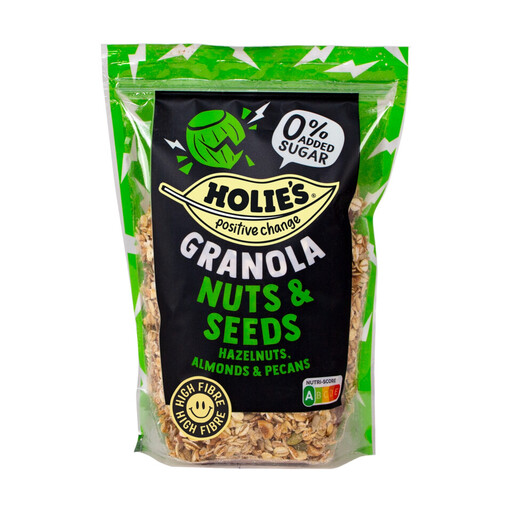
Why This Fits Their Persona: For those seeking a rich flavour and crunchy texture without compromising on sugar. The blend of hazelnuts, almonds, and pecans creates a luxurious breakfast experience.
This product tackles the 'hidden sugar' trap. With only 2.1 grams of sugar per 100 grams, derived entirely from its natural ingredients, and no added sweeteners.
Made with whole grains and a rich blend of nuts and seeds. It contains 13g of protein and 15g of fibre per 100g, ensuring a great balance between taste and nutritional value.
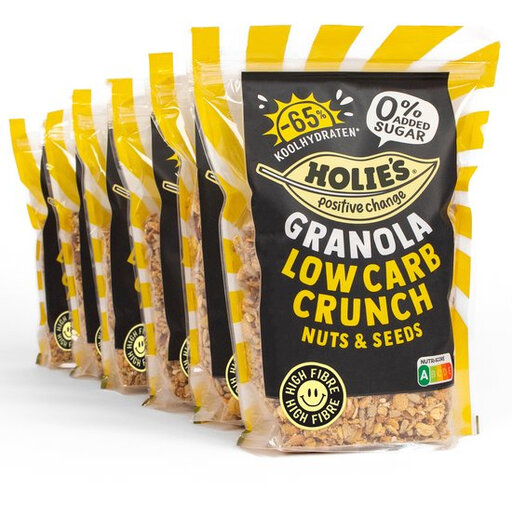
Why This Fits Their Persona: Specifically developed for a low-carb lifestyle. Its base of sunflower seeds, soy flakes, and nuts ensures a low carbohydrate content while being high in protein and healthy fats.
Many 'healthy' granolas still contain a lot of carbohydrates from grains. This version has only 18 grams of carbohydrates per 100 grams, which is exceptionally low for granola.
Very high in protein (22g) and fibre (16g), which contributes to long-lasting satiety. According to the manufacturer, Holie, it contains 65% fewer carbohydrates than comparable granolas.
We have compiled a complete, up-to-date list of products that fully meet these strict selection criteria.
No, they are not completely sugar-free. They still contain natural sugars from their base ingredients, such as grains or fruit. The "no added sugar" claim only guarantees that the manufacturer has not added granulated sugar, syrup, or honey during production. Always check the nutrition facts panel under "of which sugars" for the total sugar content.
A 40-50 gram serving of cereal provides a good foundation, depending on the product. If you choose a product with 20-23 grams of protein per 100 grams, a single serving will provide you with about 8-12 grams of protein. This is a solid start, which you can boost further by combining the cereal with (Greek) yoghurt or quark.
The main difference lies in the preparation. Muesli is an unbaked mix of grain flakes, often supplemented with nuts, seeds, and dried fruit. Granola and cruesli are similar, but they are baked in an oven with oil and a sweetener, which makes them crunchy. Traditionally, this was sugar or honey, but for a healthy granola, alternatives like chicory root fibre are now often used.
