
Vandaag of morgen in huis

Kwaliteit gegarandeerd

Welkomstaanbiedingen ontgrendelen: GRATIS bezorging | Tot 80% korting | Gratis 30 dagen JoyPlus-proefperiode
Download de app
A good breakfast sets the foundation for your day. More and more people are choosing high-protein breakfast cereals to stay full longer and support their active lifestyles. But the cereal aisle can be a maze. Packages scream for attention with claims like "high in protein" or "healthy choice," but the nutrition labels often tell a different story. Let's explore how to see through the marketing hype and make a choice that's truly right for you.
Before you put a box in your cart, it's wise to be aware of a few common deceptions.
You don't need to be a nutritionist to make a smart choice. By focusing on three simple specifications, you can quickly filter through the options.
For a product to be truly considered high-protein, a good rule of thumb is to look for at least 15 grams of protein per 100 grams. Products that far exceed this, like a protein granola with 20 grams or more, offer significant support for muscle recovery and long-lasting satiety. This makes them an excellent choice for a healthy breakfast, especially after a workout.
Look beyond the front of the box and analyse the nutrition table. Low-sugar cereals should ideally contain less than 5 grams of sugar per 100 grams. Also, check the ingredient list. Are sugar, glucose syrup or other sweeteners listed near the top? Then it's likely not a sugar-free cereal in the truest sense. Ingredients are listed in order of quantity.
A breakfast is only truly nutritious if it's also rich in fibre. Fibre contributes to good digestion and a stable blood sugar level. Look for products with whole grains (like oats, wheat or spelt) as the main ingredient. A high-fibre muesli with more than 10 grams of fibre per 100 grams is a solid choice. Ingredients like chicory root fibre are often added to naturally boost the fibre content.
Based on these objective criteria, we have selected a number of products that suit different needs.
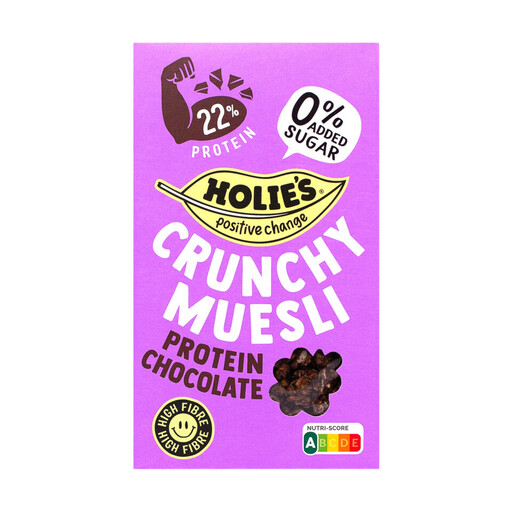
Why This Fits Their Persona: Ideal for those with an active lifestyle who need a breakfast that supports muscle recovery and sustained energy, without the sugar crash.
This is no deceptive formula. With 22 grams of protein per 100 grams, this product is genuinely high-protein. The 2.1 grams of sugar prove it's not a disguised sugar bomb.
Very high protein content and extremely low in sugar. Contains whole-grain oats and is rich in fibre (21g/100g) for long-lasting satiety.
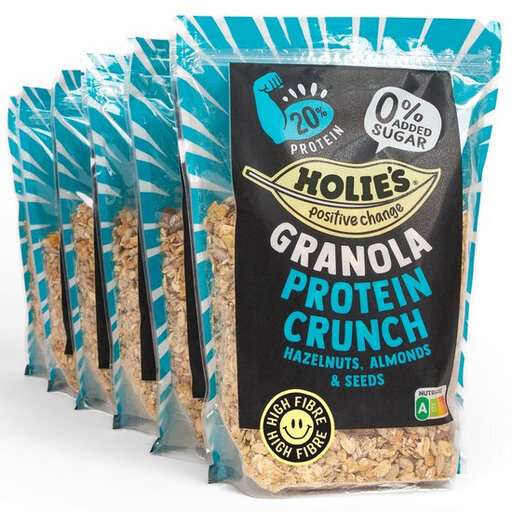
Why This Fits Their Persona: For anyone who consciously avoids sugar and is looking for a crunchy, nutritious and flavourful breakfast. If you're convinced, you can stock up immediately with this value pack.
According to the manufacturer, this product contains 0% added sugar and has only 2.8 grams of sugar per 100 grams, derived from natural ingredients. It's the definition of low-sugar.
A combination of 20 grams of protein and 15 grams of fibre. The mix of sunflower seeds, whole grains, almonds and hazelnuts provides a rich flavour and texture.
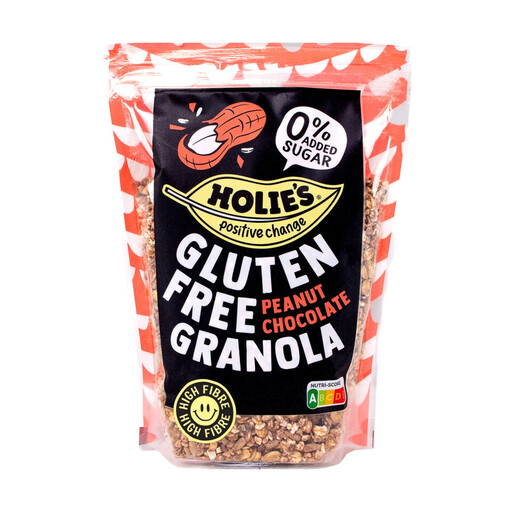
Why This Fits Their Persona: For those following a gluten-free diet who don't want to compromise on taste, texture or nutritional value. A carefully crafted option that fits specific dietary needs.
Many granolas contain oats but are not guaranteed to be gluten-free. This product specifically uses gluten-free whole-grain oat flakes, making it a safe choice.
Offers a solid 15 grams of protein and 14 grams of fibre per 100 grams. The combination of peanut butter, cocoa and mulberries creates a unique and rich flavour.
We have compiled a complete, up-to-date list of products that fully meet these strict selection criteria and local regulations.
Although the terms are often used interchangeably, there is a slight difference. Muesli is typically an unbaked mix of grains, seeds, kernels and dried fruit. Cruesli and granola are both baked in an oven, usually with a little oil and sometimes a sweetener, to create a crunchy texture. Granola often has larger, firmer clusters than cruesli.
An average serving of breakfast cereal is about 40 to 50 grams. However, this is just a guideline. Depending on your energy needs, activity level and the rest of your daily diet, you can of course adjust this amount. It's always a good idea to use the recommendation on the package as a starting point and adapt it to your own needs.
No single product is a magic bullet for weight loss. However, a breakfast rich in protein and fibre can contribute to a longer feeling of satiety. This can help you better manage your total calorie intake throughout the day, which can be part of a weight management strategy, combined with a balanced diet and sufficient exercise.
