
Vandaag of morgen in huis

Kwaliteit gegarandeerd

Welkomstaanbiedingen ontgrendelen: GRATIS bezorging | Tot 80% korting | Gratis 30 dagen JoyPlus-proefperiode
Download de app
A quick, nutritious start to the day is a goal for many. High-protein cereals seem like the perfect solution: they promise to keep you full, support an active lifestyle, and offer a better alternative to sugar bombs. But the shelves are packed with boxes screaming for attention. Unfortunately, this often leads to regrettable purchases. Before you fill your shopping cart, it's wise to understand the most common pitfalls.
The two biggest stumbling blocks are:
Making an informed choice is simpler than it seems. It's all about ignoring the marketing buzzwords and looking at the facts on the label.
To avoid wasting money on products that don't live up to their promises, there are a few key figures you should always check. These specifications provide an objective view of what you're really putting in your bowl.
This is the most important benchmark. Always compare products based on their nutritional values per 100 grams, not per serving, as serving sizes can vary widely.
Not all ingredients are created equal. A high-fibre breakfast is beneficial, but the origin of that fibre and protein matters.
Based on these objective criteria, we have highlighted several products that suit different needs and lifestyles.
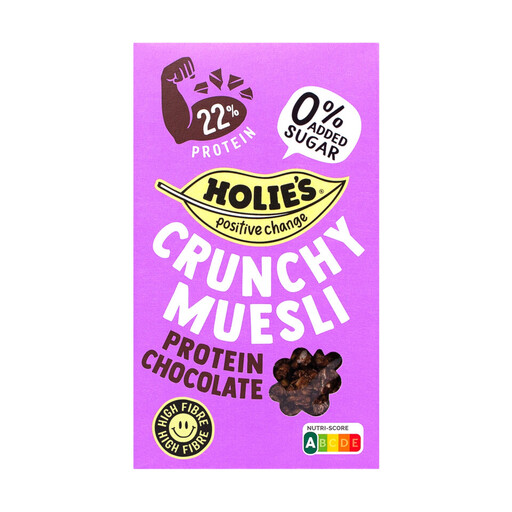
Why This Fits Their Persona: Ideal for those seeking a functional breakfast post-workout. The high protein content supports muscle recovery, and the extremely low sugar content prevents an unwanted sugar crash.
This product completely bypasses the sugar trap with only 2.1 grams of sugar per 100 grams. The protein claim is solid, with 22 grams derived from whole-grain oats and wheat protein.
Very high protein (22g) and fibre (21g) values. No added sugars and a rich chocolate flavour.
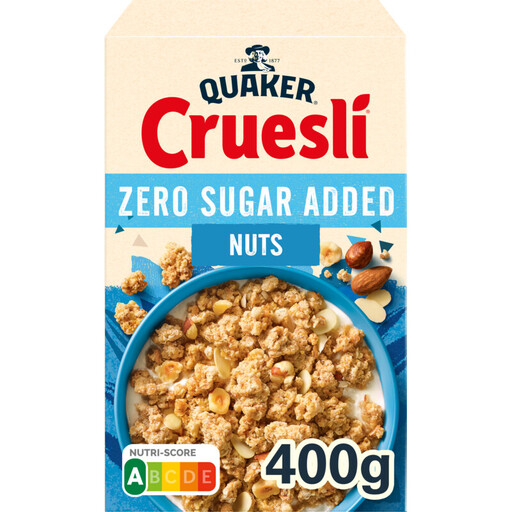
Why This Fits Their Persona: For those who want the crunchy texture and taste of cruesli but are strict about their sugar intake. This product offers a familiar breakfast experience without added sugars or sweeteners.
The name "Zero Sugar" is transparent: no sugars have been added. The 3.5 grams of sugar are naturally present in the grains and nuts, thus avoiding the sugar trap.
Extremely high in fibre (20g/100g) for a long-lasting feeling of fullness. Made with whole-grain oat and wheat flakes.
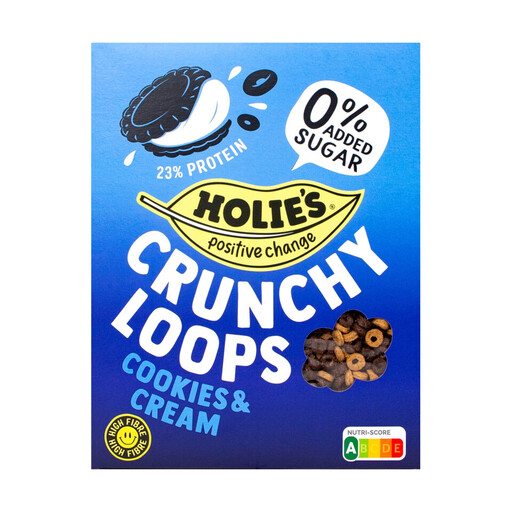
Why This Fits Their Persona: For those who are short on time in the morning but don't want to compromise on nutrition. This cereal provides a complete and filling meal that's ready in an instant.
This product delivers on its promise: a very high protein content (23g) and a low sugar content (4.9g). The nutritional values are clear and not misleading.
Exceptionally high in both protein (23g) and fibre (26g), ensuring you feel full and satisfied until lunch.
We have compiled a complete, up-to-date list of products that fully meet these strict selection criteria and local regulations.
A typical serving of breakfast cereal is about 40-50 grams. Combine this with (plant-based) milk or yoghurt to increase the total protein amount. Check the packaging for the manufacturer's recommended serving size, but always base your purchase decision on the values per 100 grams for a fair comparison.
Not always. The claim "no added sugars" means the manufacturer has not added any sugar, syrup, or honey. However, the ingredients themselves, such as grains, fruit, or milk powder, contain naturally occurring sugars. These can be found under "of which sugars" in the nutrition table. Products with less than 5 grams of sugar per 100 grams are generally considered low-sugar.
No single product is a magic bullet for weight loss. However, protein- and fibre-rich foods can contribute to a longer feeling of fullness, which may reduce the likelihood of reaching for other snacks. Weight management depends on your total calorie intake and lifestyle, not on one specific breakfast.
