
Vandaag of morgen in huis

Kwaliteit gegarandeerd

Welkomstaanbiedingen ontgrendelen: GRATIS bezorging | Tot 80% korting | Gratis 30 dagen JoyPlus-proefperiode
Download de app
A high-protein breakfast should contain more than just plenty of protein. The ingredients, portion size, fibre content, added sugar and allergens also determine whether a product suits your eating habits. Marketing terms can make comparisons difficult: words such as “fitness”, “natural” or “sugar-free” do not say much on their own.
With this practical checklist, you can quickly see which high-protein granola, protein muesli or high-protein porridge fits your morning routine.
A product may contain 20% or 23% protein, while also providing relatively high amounts of calories, fat or sweeteners. Always check the nutritional values per 100 grams as well as the recommended portion. A small portion may look impressive on the label, even though you use more in practice.
“0% added sugar” means that, according to the product information, no sugar has been added as an ingredient. The product may still contain naturally occurring sugars, for example from dates or other ingredients. So check the of which sugars line in the nutrition table.
Granola and muesli often contain soya, peanuts, milk, nuts, oats or wheat. Even a gluten-free variety may carry warnings about possible traces of other allergens. Read the full ingredients list, especially when you are looking for gluten-free granola or have a food allergy.
For a practical basis of comparison, you can set these three details side by side:
A higher figure is not automatically more suitable. If you want a light breakfast, also consider energy and fat. If you want to stay fuller for longer, compare the combination of protein, fibre and portion size.
Ingredients are generally listed by weight. If wholegrain oats or a pulse appear near the top of the list, they make up an important part of the base. According to the product information, Holie’s Crunchy Muesli Protein Chocolate contains, among other ingredients, 46% wholegrain oats, 19% chicory root fibre and 15% wheat protein.
Also look out for terms such as:
Use the front of the packaging as an initial indication, but base your choice on the full product specifications. According to the product information, Holie’s Granola Glutenfree Peanut Chocolate uses gluten-free wholegrain oat flakes and states 0% added sugar. However, the product contains peanuts and may contain traces of nuts or soya.
If you have coeliac disease or a severe allergy, it is advisable to check the current packaging and allergen statement before ordering.
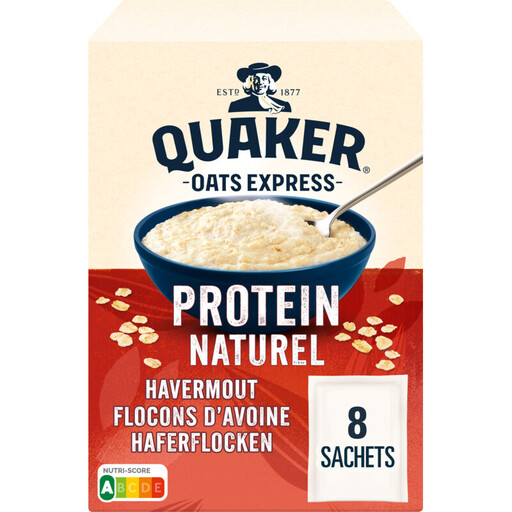
Why it suits this profile: According to the product description, this porridge is ready in two minutes and contains 22 grams of protein and 7.2 grams of fibre per 100 grams.
The nutritional information clearly states the protein, fibre, sugars and salt content. According to the product information, it contains no added sugars.
100% wholegrain porridge oats according to the product description, with 15% soya protein and a short preparation time.
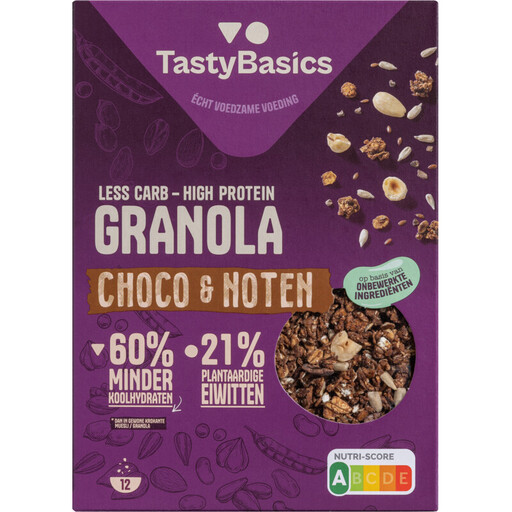
Why it suits this profile: The combination of cocoa, seeds, nuts and pulses creates a crunchy granola with 21 grams of protein and 28 grams of fibre per 100 grams.
The “no added sugar” claim is supported by a full ingredients and nutritional information list. However, the product does contain naturally occurring sugars.
21% protein, 28% fibre and 26 grams of carbohydrates per 100 grams according to the stated nutritional values.
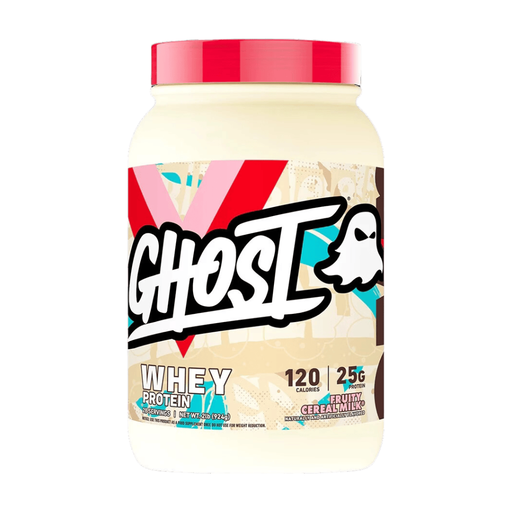
Why it suits this profile: This protein powder is intended as an addition to breakfast, a smoothie or a meal. According to the product information, one 32-gram serving contains 25 grams of protein.
The portion size and amount of protein are clearly stated. However, the product contains milk ingredients and sucralose, so check whether it suits your preferences.
907 grams of product, approximately 28 portions and three types of whey protein according to the product description.
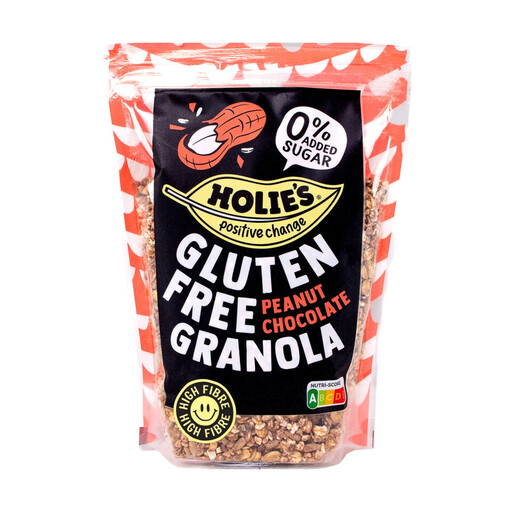
Why it suits this profile: This variety uses gluten-free wholegrain oat flakes, sunflower seeds, buckwheat and peanuts for a crunchy breakfast.
The product information states both 0% added sugar and the allergens present. Peanuts are a fixed ingredient and must not be overlooked.
According to the label, 15 grams of protein, 14 grams of fibre and 4 grams of sugars per 100 grams.
We have put together a complete, up-to-date list of products that fully meet these strict selection criteria and the applicable European safety regulations.
A high-protein breakfast does not have to be complicated. For example, try:
If you are using these products for sport, pay particular attention to your overall diet. A breakfast product is a food or supplement and does not replace a varied diet.
That depends on your preference for solid food, preparation time and total nutritional intake. Granola and muesli are practical with yoghurt or quark. Porridge is suitable when you want a warm, quick breakfast. Protein powder can be useful as an addition, but always check the portion size, milk ingredients and sweeteners.
No. Also consider fibre, protein, energy, fat, salt and the full ingredients list. “No added sugar” describes one characteristic of the product, not its complete nutritional value.
Store the product according to the packaging in a cool, dry place away from moisture and direct sunlight. Seal the bag or packaging tightly to maintain its crunchy texture. Check the best-before information before use and do not use damaged packaging.
