
Parents looking for a simple wholegrain option
You want to add your own fruit or dairy and are looking for breakfast cereal that follows the Netherlands Nutrition Centre's advice for children aged 1 to 3: wholegrain, with no added sugar or salt.


For children aged 1 to 3, the Netherlands Nutrition Centre recommends wholegrain muesli with no added sugar or salt as an alternative at breakfast. If muesli replaces bread at breakfast, its advice is to offer two more slices of bread at another time during the day. Compare fibre content on the same basis, but also check the ingredients, allergens and whether your child can safely chew any hard pieces.
You want to add your own fruit or dairy and are looking for breakfast cereal that follows the Netherlands Nutrition Centre's advice for children aged 1 to 3: wholegrain, with no added sugar or salt.
Your child eats little in the morning or prefers a particular texture. You’re looking for an alternative to bread while also considering what your child eats for the rest of the day.
You consider your child's ability to chew and check the packaging before buying for cereals containing gluten, other relevant allergens and any whole nuts or hard pieces.
Start with the grains and ingredients, then consider the texture and how breakfast fits into the rest of the day. Fibre content alone won’t tell you whether a muesli is right for your toddler.
| What to consider | What to check when buying | Especially relevant for |
|---|---|---|
| Wholegrain base and ingredients | Check which grains are used and compare fibre per 100 g. Check added sugar and salt separately. | I want to choose a wholegrain cereal without relying solely on the words ‘high fibre’. An estimated 46% of consumers consider the ingredients the most important factor. |
| Pieces and allergens | Read the latest allergen information and check whether the mix contains whole nuts or other pieces that are difficult to chew. | If my child needs to avoid certain allergens or isn’t yet able to chew hard pieces properly, that determines which mixes I can consider. For around 36% of consumers, this check comes first. |
| Texture and daily routine | Consider which textures your child will accept and how breakfast fits with what they eat later in the day. | If bread is difficult in the morning, I’m looking for a breakfast my child will eat without losing sight of the rest of the day. This practical consideration is the deciding factor for an estimated 18% of consumers. |
A fibre claim or product name doesn’t tell you which grains and allergens a product contains. For example, the Quaker Cruesli Zero Sugar Added Naturel product reviewed here lists oats and wheat, and may contain milk and nuts, according to Albert Heijn.
Read the ingredients, nutrition information and allergen statement on the pack you’re buying.
The Netherlands Nutrition Centre warns that young children can choke on whole nuts. Your child’s ability to chew also matters when it comes to other hard pieces.
Check the pieces before serving. If in doubt, avoid mixes with whole nuts and stay with your child while they eat.
The Netherlands Nutrition Centre suggests muesli as an alternative at breakfast, but advises offering two more slices of bread at another time during the day if bread is replaced in the morning.
So, consider breakfast alongside your child’s other meals and snacks.
Ingredients and allergen information can vary between products and packs. This is particularly important if you need to check for gluten, milk, nuts, sesame or soya.
Always check the label on the pack you’re actually using.
These examples show why you shouldn’t compare regular muesli, crunchy muesli and hot cereal breakfasts as if they were the same product.
AH Biologisch Muesli volkoren is an example of regular muesli made with wholegrain oat, wheat and spelt flakes.
The Zero Sugar Added Naturel variety reviewed here is a crunchy muesli for anyone specifically looking for that texture.
Brinta Volkoren graanontbijt is an alternative to muesli if you’re looking for a different breakfast texture.
The range includes plain muesli as well as varieties with fruit or nuts.
ALDI’s Golden Bridge range includes wholegrain and crunchy muesli, as well as a wholegrain cereal breakfast.
This selection includes crunchy Quaker Cruesli varieties and Quaker Oatmeal as an alternative for anyone considering a warm cereal breakfast instead of muesli. Before giving any variety to your toddler, check the latest packaging and the texture of the pieces.
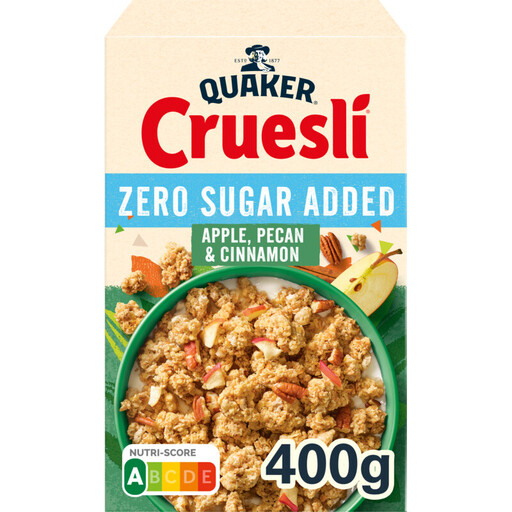 Image unavailable
A crunchy muesli to consider if your child can manage this texture. The variety name mentions apple and pecan; check the pack for the size and shape of the nut pieces and for any relevant allergens.
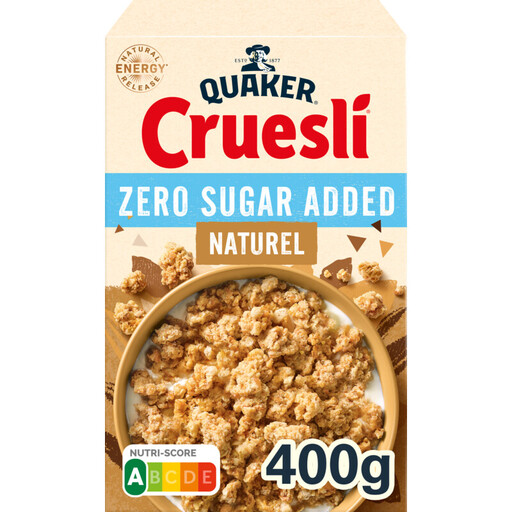 Image unavailable
A plain variety for anyone looking for crunchy muesli without fruit or nuts in the product name. Check the ingredients, allergens and texture on the latest packaging to make sure the pieces are easy to chew.
 Image unavailable
An alternative if you’d prefer a warm cereal breakfast to muesli. This is porridge oats, not muesli; check the pack for ingredients, nutrition information and allergens.
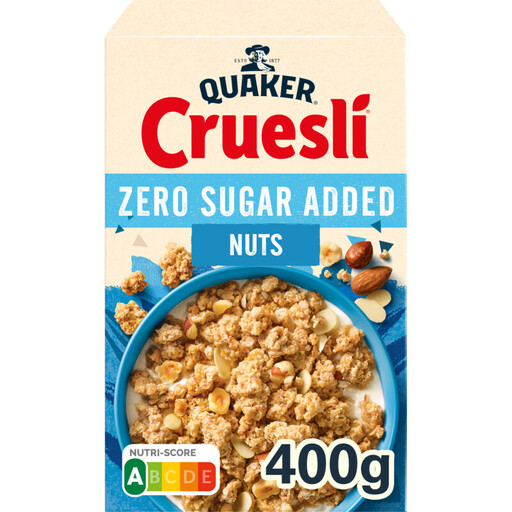 Image unavailable
This crunchy muesli needs extra care because of the nut pieces. Joybuy lists almonds and hazelnuts in this variety; check the pieces before serving and read the latest allergen information.
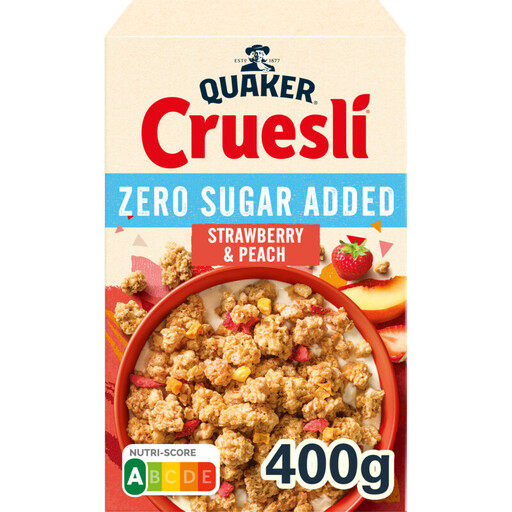 Image unavailable
A crunchy fruit variety for anyone looking to assess the texture of the pieces. Check the pack to see whether the pieces are suitable for your child’s ability to chew, and compare the fibre content per 100 g with other products.
Yes. As an alternative, the Netherlands Nutrition Centre recommends wholegrain muesli with no added sugar or salt for children aged 1 to 3. If you use it to replace bread at breakfast, the Netherlands Nutrition Centre advises offering two more slices of bread at another time during the day.
Compare fibre on the same basis, for example per 100 g, and also read the ingredients and other nutrition information. You can’t compare a per-serving value directly with a per-100 g value without taking the serving size into account.
Check which pieces the mix contains and whether your child can chew them. The Netherlands Nutrition Centre warns that young children can choke on whole nuts. If in doubt, avoid mixes with whole nuts and stay nearby while your child eats.
For pre-packed muesli, read the latest ingredients list and allergen statement rather than relying on the product name alone. The Netherlands Food and Consumer Product Safety Authority says that for cereals containing gluten, the name of the grain must be stated. If your child has a specific allergy, also check the other relevant information on the pack.