
If fibre comes first
You compare fibre content per 100 g and per serving, even if a cereal already tastes sweet. Kellogg's lists 27 g of fibre and 18 g of sugars per 100 g for All-Bran Fibre Plus: both figures matter when choosing.


If fibre per 100 g is your main priority, compare the nutritional information for bran cereal with that for porridge oats and wholegrain breakfast cereal. The All-Bran Fibre Plus product reviewed lists 27 g of fibre, compared with 9 g for Quaker Oats and 10 g for Brinta. If you want to decide how sweet your breakfast is, the porridge oats and Brinta products reviewed provide a base you can add fruit to. Prefer crunchy muesli? Compare the exact variety for fibre, sugars, serving size and allergens.
You compare fibre content per 100 g and per serving, even if a cereal already tastes sweet. Kellogg's lists 27 g of fibre and 18 g of sugars per 100 g for All-Bran Fibre Plus: both figures matter when choosing.
You want a wholegrain base and would rather add your own fruit or cinnamon. The plain porridge oats and Brinta wholegrain breakfast cereal reviewed suit this approach to breakfast, although you’ll need to prepare them.
You’re looking for ready-to-eat crunchy muesli, so compare the exact flavour. As well as fibre and sugars, check the serving size and, if you have an allergy, the ingredients and allergen information.
Start by comparing breakfast cereals per 100 g, then consider how much you actually put in your bowl. For a sweet breakfast, it makes a difference whether you want a ready-made flavour or prefer to add something yourself.
| What to consider | What should you check? | Who is it for? |
|---|---|---|
| Fibre | Compare fibre per 100 g on a like-for-like basis, then check the amount per serving. | If fibre is my main priority, I want to know how much is in my usual breakfast serving. Around 42% of consumers put this fibre comparison first. |
| Adding your own sweetness | Check sugars per 100 g as well as the ingredients, and choose a base you can add your own fruit to. | I want a sweet breakfast, but I’d rather choose my own toppings than have a ready-made sweet variety. For around 33% of consumers, that freedom of choice is the main thing. |
| Crunchy flavour | Compare the exact crunchy muesli variety for serving size, fibre, sugars and allergens. | On a busy morning, I want to make a crunchy breakfast bowl straight away without losing sight of the ingredients. This convenience comes first for around 25% of consumers. |
A fibre claim doesn’t tell you how much sugar or salt the same cereal contains. Alongside 27 g of fibre, Kellogg's lists 18 g of sugars and 0.9 g of salt per 100 g for All-Bran Fibre Plus.
Read the nutritional information per 100 g, then consider the size of your own serving.
Ingredients vary between varieties. The Quaker Cruesli Volvezel Nuts product reviewed contained, among other things, hazelnuts and Brazil nuts, and also stated that it may contain milk, peanuts and soya.
If you have an allergy or coeliac disease, check the current ingredients, allergens and warnings on the packaging. The Netherlands Food and Consumer Product Safety Authority requires allergens in prepacked foods to be clearly listed on the label.
A brand name doesn’t mean that two varieties have the same ingredients or nutritional values. The Quaker Cruesli Volvezel Nuts listed by Albert Heijn was also marked as no longer in the range.
If you choose an alternative, compare the full product name, pack size and nutritional information on the packaging again.
In this comparison, All-Bran Fibre Plus is the ready-to-eat wheat bran cereal.
The products reviewed range from plain porridge oats to quick oats and crunchy muesli, so choose by variety rather than brand alone.
Brinta Wholegrain Breakfast Cereal is a wholegrain wheat base for a hot breakfast you can flavour yourself.
These products offer a choice of a hot wholegrain wheat base, porridge oats and crunchy muesli. Within the style you like, compare the exact packaging and nutritional information.
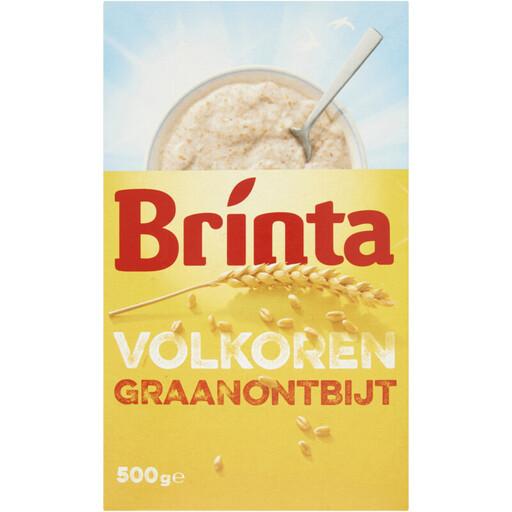 Image unavailable
For anyone looking for a hot wholegrain wheat base to add their own fruit to. The pack contains 500 g; check the preparation instructions and ingredients on the pack.
 Image unavailable
A plain porridge oat base for adding your own fruit or another flavouring. Joybuy lists 9 g of fibre and 1.1 g of sugars per 100 g for this product; the pack contains 600 g. If you have dietary restrictions, check the current label.
 Image unavailable
An oat option for anyone who wants to choose the flavour of their breakfast bowl. The pack contains 500 g; compare the nutritional information and allergen details on the label.
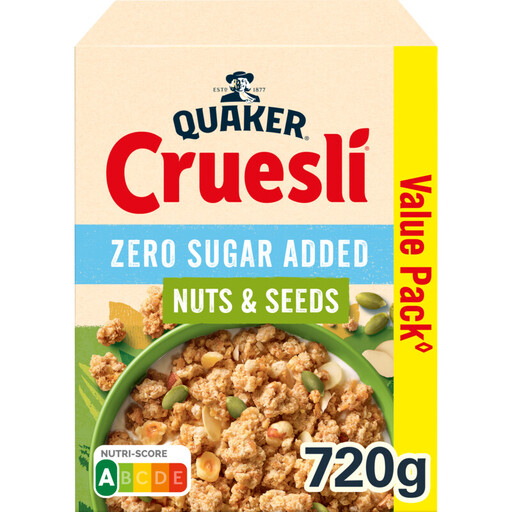 Image unavailable
For anyone who wants a crunchy breakfast bowl with nuts and seeds. The pack contains 720 g. Before comparing this variety with other crunchy muesli, check the nutritional information per 100 g and the current allergen details.
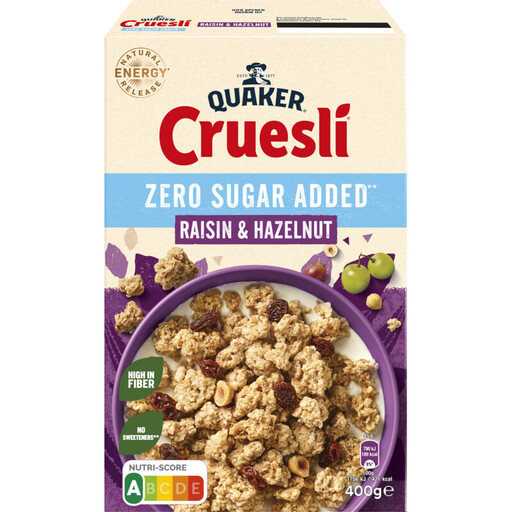 Image unavailable
For anyone looking for crunchy muesli with raisins and hazelnuts. The pack contains 400 g. Compare sugars and fibre per 100 g on the label, and check the allergen details, especially if hazelnuts are a concern for you.
Compare fibre and sugars per 100 g, then consider the size of the portion you eat. Kellogg's lists 27 g of fibre and 18 g of sugars per 100 g for All-Bran Fibre Plus; the plain Quaker Oats reviewed provide a less sweet base you can add your own fruit to. The Netherlands Nutrition Centre points out that breakfast cereals also vary in other nutritional values.
No. ‘No added sugars’ doesn’t mean the sugar value is zero. The Quaker Oats reviewed list 1.1 g of sugars per 100 g, so check the ‘of which sugars’ line in the nutritional information table too.
Check the ingredients, allergens and warnings on the exact pack before eating the cereal. Varieties may contain wheat, barley, soya or nuts, among other ingredients. Don’t assume porridge oats are suitable for coeliac disease unless this is specifically stated. The Netherlands Food and Consumer Product Safety Authority says allergens must be clearly listed on the label of prepacked foods.
According to the product information, you can prepare the Quaker Oats reviewed with milk or water, then add fruit, for example. Follow the preparation instructions and quantities on the pack you’re using.