
If you want to compare fibre content
You want to see the fibre content per 100 g, rather than relying only on the wording on the front of the pack. The Netherlands Nutrition Centre recommends comparing breakfast cereals on this basis.


First, compare breakfast cereals by their fibre, sugar and salt content per 100 g. Then choose between cold flakes and a cereal breakfast you prepare yourself. A higher fibre content alone doesn’t tell you whether the ingredients, allergens and preparation suit your morning.
You want to see the fibre content per 100 g, rather than relying only on the wording on the front of the pack. The Netherlands Nutrition Centre recommends comparing breakfast cereals on this basis.
As well as fibre, you check sugar, salt and ingredients – for example, when comparing sweetened and plain breakfast cereals.
Preparation matters too: cold flakes, porridge and a hot cereal breakfast don’t fit the same morning routine.
When choosing breakfast cereals for weekdays, first compare the nutritional values per 100 g. Then check the ingredients and choose a preparation method that works for you.
| What to consider | What to check when buying | Who it matters to |
|---|---|---|
| Fibre content | Compare fibre per 100 g. Under EU Regulation 1924/2006, the claim ‘high fibre’ requires at least 6 g of fibre per 100 g or 3 g per 100 kcal. | If I’m specifically looking for breakfast cereals for their fibre, I want to be able to compare the figures on the label. Fibre content is the top priority for around 42% of consumers. |
| Sugar, salt and ingredients | For every 100 g, check ‘of which sugars’ and salt, and read the ingredients list. | I don’t want to choose based on fibre content alone if I’m also keeping an eye on sugar and salt. For around 33% of consumers, the full label comes first. |
| Preparation on weekdays | Check how to prepare the product and decide whether cold flakes or a prepared cereal breakfast will suit your morning. | Breakfast needs to fit into the time I have in the morning; otherwise, I’d rather choose a different type of product. Ease of preparation is the first consideration for around 25% of consumers. |
The ‘high fibre’ claim has a set minimum threshold, but it doesn’t tell you how much sugar or salt the product contains.
The Netherlands Nutrition Centre recommends comparing nutritional values per 100 g and checking the ingredients list too.
Other plant-based foods also provide fibre. Changing your breakfast doesn’t have to be separate from what else you eat and drink.
If you want to eat more fibre, you can increase your intake gradually and make sure you drink enough, as Lidl notes in its information about wholegrain products.
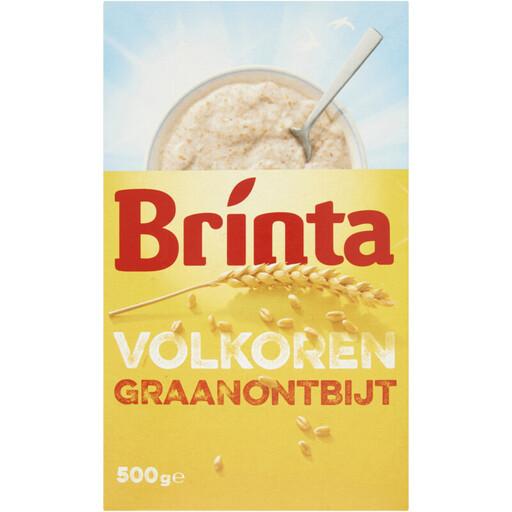
A high-fibre cereal breakfast isn’t automatically gluten-free. For example, according to Albert Heijn, Brinta Volkoren graanontbijt contains wheat.
If you need a gluten-free product, check the gluten-free label and allergen information on the exact pack.
Brinta Volkoren graanontbijt is a cereal breakfast designed to be served warm.
The All-Bran range is worth considering if you’re comparing breakfast cereals made with wheat bran.
Albert Heijn offers products including one called AH Glutenvrij Vezelrijke bran flakes.
This ALDI own-brand range includes various types of breakfast cereal, including 7-grain breakfast cereal, wholegrain muesli and flakes.
Lidl offers products including a 7-grain breakfast cereal made with wholegrains.
These products include porridge oats and wholegrain cereal breakfasts for anyone considering something to prepare as well as cold breakfast flakes. If you’re choosing based on fibre, compare the nutritional information on the pack for the exact variety.
 No image available
A porridge option if you’d rather prepare a bowl than eat cold breakfast flakes.
Check the preparation instructions on the pack. If you need a gluten-free product, also check the allergen information for this variety.
 No image available
A wholegrain cereal breakfast for anyone who wants to prepare a warm bowl.
This wheat variety isn’t gluten-free. Check the label for sugar and salt as well as fibre.
 No image available
Porridge oats to consider if you’d rather prepare your breakfast than eat cold flakes.
When comparing products, check the salt content on the current pack too. If you need a gluten-free product, check the allergen information.
 No image available
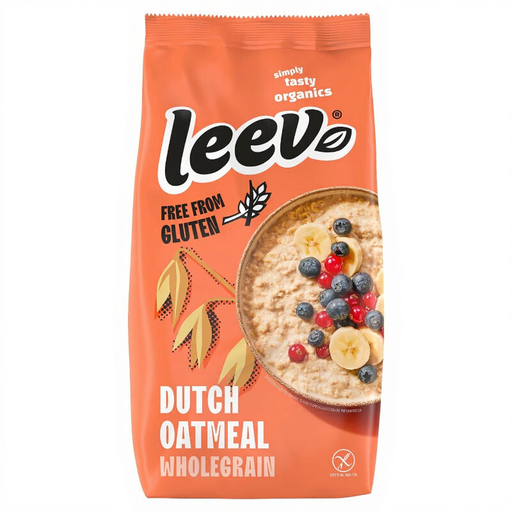
A porridge option if you’re looking for a different type of cereal breakfast from cold flakes.
Don’t rely on a single label to decide whether a product is suitable for a gluten-free diet: check the allergen information on the exact pack.
Under EU Regulation 1924/2006, the ‘high fibre’ claim can be used when a product contains at least 6 g of fibre per 100 g or 3 g of fibre per 100 kcal. The claim doesn’t also assess sugar or salt content, so check the nutrition table for those figures.
Compare the values per 100 g so the stated serving sizes don’t affect your comparison. Check fibre, of which sugars and salt, and read the ingredients list too, as recommended by the Netherlands Nutrition Centre.
No. Fibre content and suitability for a gluten-free diet are separate things. Many breakfast cereals contain gluten; if you need a gluten-free product, check the label and allergen information on the pack for the exact variety.
If you increase your fibre intake, it’s worth doing so gradually and making sure you drink enough. Look beyond a single breakfast product too: according to the Netherlands Nutrition Centre, fibre is also found in foods such as vegetables, fruit, pulses and nuts.