
For breakfast eaters focused on fibre
You compare fibre per 100 g and are happy with a bran or wholegrain texture. The Netherlands Nutrition Centre lists wholegrain cereal products as a source of fibre.


For a sweet breakfast, compare fibre and sugars per 100 g, as advised by the Netherlands Nutrition Centre, then decide whether you want crunchy flakes. If fibre is your main priority, you could consider Kellogg's All-Bran Fibre Plus, with 27 g of fibre per 100 g. For crunchy flakes with less sugar, Jumbo lists 7.2 g of fibre and 1.3 g of sugars per 100 g for its Special Flakes, although they also contain the sweetener maltitols. According to Albert Heijn, Brinta contains 10 g of fibre per 100 g and offers a warm wholegrain base rather than crunchy flakes.
You compare fibre per 100 g and are happy with a bran or wholegrain texture. The Netherlands Nutrition Centre lists wholegrain cereal products as a source of fibre.
You want crunchy breakfast flakes, but give the nutritional information more weight than the front of the pack. The Netherlands Nutrition Centre recommends comparing breakfast cereals per 100 g for sugars and fibre.
You'd rather choose a wholegrain base and add something like fruit for a sweeter taste. A warm cereal breakfast instead of ready-to-eat flakes may suit your morning routine.
Start with the texture you want, then compare fibre and sugars per 100 g. Check the ingredients list too if sweeteners or allergens matter to you.
| What to consider | What to check | Who it's important for |
|---|---|---|
| Fibre | Compare fibre per 100 g and consider whether you like the bran or wholegrain texture. | If fibre is my main priority, I look for a product whose fibre content is easy to compare. This comes first for around 42% of consumers. |
| Sweetness and sugars | Compare sugars and fibre per 100 g; check the ingredients list if you want to avoid sweeteners. | I want a sweet breakfast to stay crunchy, but I also want to keep an eye on the sugars. Around 33% of consumers put this balance first. |
| Preparation and texture | Decide whether you want ready-to-eat flakes or have time to prepare a warm cereal breakfast. | On busy mornings, I want to know whether breakfast is ready to eat or needs preparing. This is the main consideration for around 25% of consumers. |
Albert Heijn lists 8.8 g of fibre and 23 g of sugars per 100 g for Kellogg's All-Bran Fruit 'n Fibre. So a product's fibre content doesn't tell you how much sugar it contains.
Compare both figures per 100 g before choosing between varieties.
Jumbo Special Flakes contains 1.3 g of sugars per 100 g, while the ingredients list includes maltitols as a sweetener.
Check the ingredients too if you want to make an informed choice about sweeteners.
Brinta is a wholegrain cereal breakfast that you prepare with liquid, so its texture and preparation differ from ready-to-eat flakes.
First decide which kind of breakfast suits your morning, then compare the nutritional information.
You'll need water or milk and extra time to prepare it.
Breakfast cereals can contain different gluten-containing grains. Warnings about other allergens also vary by product.
If you have a food allergy or coeliac disease, check the ingredients and allergen information on the exact pack. The Netherlands Food and Consumer Product Safety Authority notes that allergens must be listed in the ingredients.
The All-Bran and Special K varieties mentioned differ in fibre, sugars and texture, so compare the specific variety you're considering.
An alternative if you want a warm wholegrain cereal breakfast and prefer to control the sweetness yourself.
Jumbo Special Flakes are worth considering if you're looking for crunchy flakes and want to compare both sugars and ingredients.
The range includes products such as AH Bran flakes fruit and AH Special flakes pure chocolate.
ALDI's own-brand range includes products such as Special flakes naturel and Special flakes dark chocolate.
Lidl's breakfast range includes granola and crunchy muesli, which aren't necessarily the same as flakes.
These products are alternatives if you're considering a warm cereal breakfast or crunchy cereal mix as well as breakfast flakes. Porridge, warm cereal breakfasts and cruesli don't have the same texture as classic flakes.
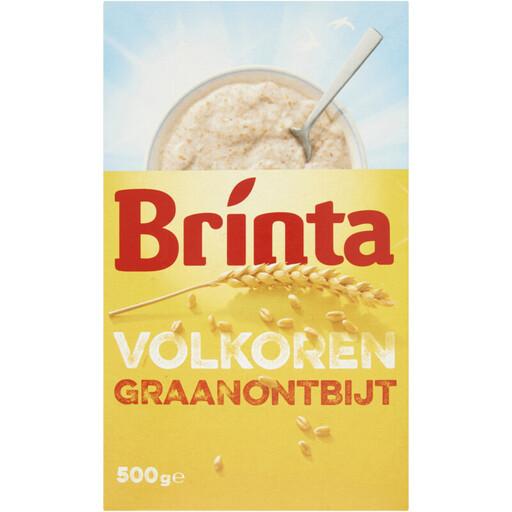 Image unavailable
A good choice if you want a warm wholegrain base and would like to add fruit for a sweeter taste.
Albert Heijn lists 10 g of fibre and 4.6 g of sugars per 100 g for Brinta Wholegrain Cereal Breakfast. It contains wheat and isn't a crunchy flake.
 Image unavailable
Worth considering if you're looking for porridge for a warm breakfast bowl rather than crunchy flakes.
The pack contains 600 g. Check the current ingredients and allergen information if you need to avoid gluten-containing grains.
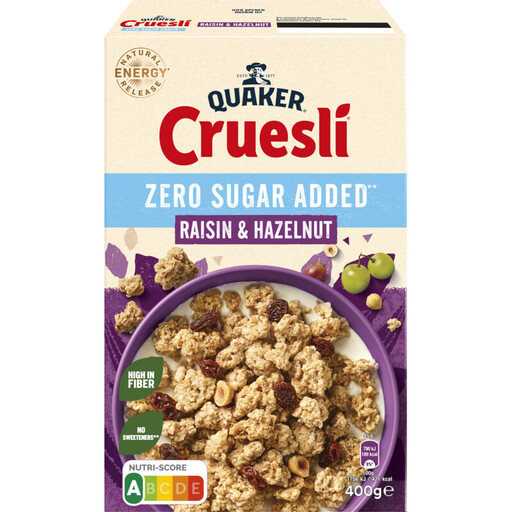 Image unavailable
A crunchy cereal mix with raisins and hazelnuts to consider if you'd like a fruitier breakfast; cruesli isn't a classic flake.
The pack contains 400 g. Compare fibre and sugars per 100 g on the current pack before weighing this mix up against flakes, and check the allergen information.
Compare similar products per 100 g, as the Netherlands Nutrition Centre recommends. Check the ingredients list as well as fibre and sugars; serving sizes can vary between packs.
Of the products mentioned here, Kellogg's lists the highest fibre content per 100 g for All-Bran Fibre Plus, at 27 g. When choosing, also consider sugars, ingredients and the texture you want.
Don't assume they are: Kellogg's All-Bran Fibre Plus contains wheat bran and barley malt extract, Brinta contains wheat, and Jumbo Special Flakes contains wheat and barley. If you have coeliac disease, check the allergen information on the exact pack.