
Weekend breakfast fans comparing fibre content
You want to compare the fibre content per 100 g with similar products, and check which wholegrains are listed in the ingredients.


Start by comparing the fibre content of breakfast cereals per 100 g, then choose the preparation and flavour that suit your weekend breakfast. Under Regulation (EC) No 1924/2006, the claim ‘high in fibre’ may be used when a product contains at least 6 g of fibre per 100 g or 3 g per 100 kcal. On its own, the claim tells you nothing about the amount of sugars or how long a product will provide energy. For a warm bowl, consider a wholegrain cereal breakfast or porridge oats. With cold muesli and crunchy cruesli, compare the sugars and ingredients too.
You want to compare the fibre content per 100 g with similar products, and check which wholegrains are listed in the ingredients.
You’re looking for muesli or cruesli to enjoy with milk or yoghurt, but don’t want to assume that a fibre claim says anything about added sugar.
Texture matters to you, and you also want to check the fibre, sugars and relevant allergens on the packaging.
First decide whether you want a warm bowl, cold muesli or crunchy cruesli. Then compare nutritional values on a like-for-like basis: a serving of prepared product is not directly comparable with 100 g of dry product.
| What to consider | What to check when buying | Who it matters most to |
|---|---|---|
| Fibre and wholegrains | Compare fibre per 100 g of dry product and check which grains are listed in the ingredients. | I want to see how much fibre my choice contains for my weekend breakfast, rather than relying on the front of the pack. Around 42% of consumers put this fibre comparison first. |
| Sugars | Check total sugars per 100 g, as well as any information about added sugar. | For my cold breakfast bowl, I want to limit added sugar without assuming that ‘no added sugar’ means sugar-free. Around 33% of consumers put this need first. |
| Preparation, texture and allergens | Check the preparation instructions and, if you have relevant allergies, read the latest allergen information. | My weekend breakfast needs to suit the warm or crunchy bowl I want to make. If allergens are relevant to me, the label matters too. For around 25% of consumers, this practical choice is the deciding factor. |
The claim sets a minimum fibre content, but doesn’t tell you how much sugar or salt the product contains.
Compare values per 100 g for similar breakfast cereals, and read the ingredients list too.
The Albert Heijn page for Quaker Cruesli zero sugar added naturel lists nutritional values for the prepared product. These can’t be directly compared with the dry values per 100 g for another product.
Before comparing values, check the packaging to see what they refer to.
For Kellogg's Oaties Original Crunch, Albert Heijn lists both 8.4 g of fibre and 20 g of sugars per 100 g. So the fibre content is no substitute for checking the sugar content.
If added sugar is a deciding factor for you, read the ingredients list and compare total sugars too.
Breakfast cereals may contain cereals containing gluten or nuts. Some products also warn that other allergens may be present.
If you have a relevant allergy, always check the allergen information on the latest packaging.
A brand to consider if you want to make a warm cereal breakfast.
Quaker offers cruesli for a cold, crunchy breakfast bowl, among other products. Cruesli is a product range, not a separate brand.
A brand with crunchy breakfast cereals for anyone who values texture.
The own-label range includes a wholegrain muesli for making a cold breakfast bowl.
With FITNESS Natuur, Nestlé offers a breakfast cereal centred around wholegrains.
These products include options ranging from porridge oats or a warm cereal breakfast to crunchy cruesli. Use the product type as your starting point, then check the nutritional information and allergens for the variant you choose.
 Image unavailable
Porridge oats for making a bowl just the way you like it. Check the preparation instructions and nutritional information on the packaging.
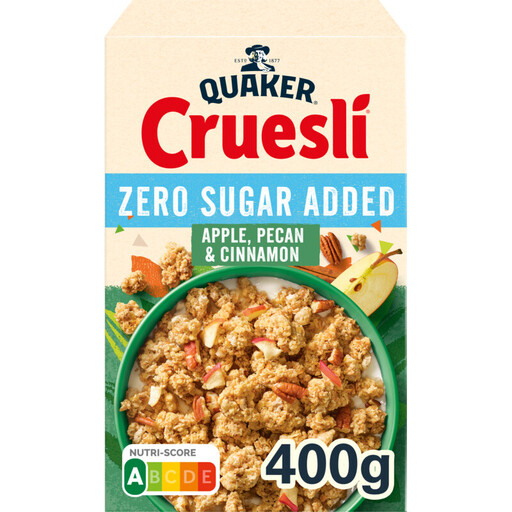 Image unavailable
Cruesli for anyone who wants a crunchy breakfast bowl. For this apple, pecan and cinnamon variant, check the latest nutritional information and allergen details. The product name alone doesn’t tell you the total amount of sugars.
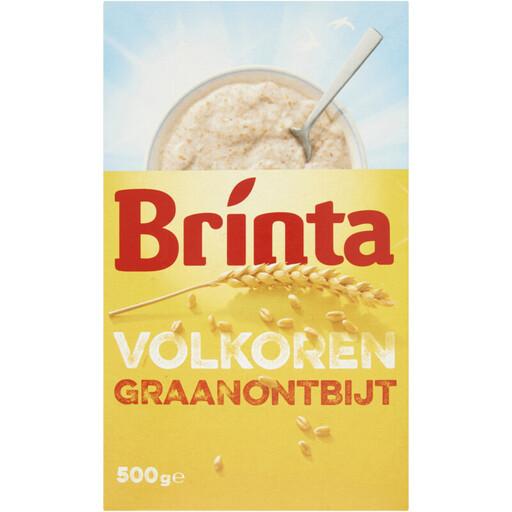 Image unavailable
A cereal breakfast for making a warm bowl. Albert Heijn lists 10 g of fibre per 100 g for Brinta Volkoren graanontbijt; the product contains wheat and gluten. Check the latest packaging.
 Image unavailable
Porridge oats for anyone looking for a cereal base for their breakfast bowl. Before comparing them with other oats, check the ingredients, fibre content and preparation instructions on the packaging.
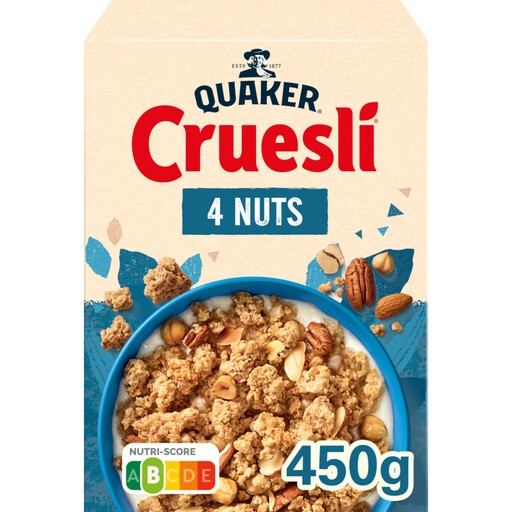 Image unavailable
Cruesli for anyone looking for a crunchy breakfast bowl with nuts. Check the fibre content and what quantity it’s based on using the latest packaging, and read the allergen information too.
Under Regulation (EC) No 1924/2006, this nutrition claim may be used when a product contains at least 6 g of fibre per 100 g or 3 g of fibre per 100 kcal. Then compare the actual fibre content of products on the same basis.
Yes. A fibre claim doesn’t tell you how much sugar a breakfast cereal contains. Compare total sugars per 100 g and read the ingredients list if added sugar matters to your choice.
No. According to their product information, Brinta Volkoren graanontbijt and AH Volkoren muesli naturel, among others, contain cereals containing gluten. If you need a gluten-free product, check the explicit gluten-free label and allergen information on the latest packaging.
Only compare nutritional values directly when they refer to the same quantity and preparation basis. Check whether the packaging lists values per 100 g of dry product, per serving or for the prepared product.