
Holidaymakers comparing fibre content
If you’re choosing breakfast cereals based on their fibre content, you can compare the nutritional information per 100 g for different products.


When choosing breakfast for a holiday home, first compare the fibre content per 100 g, then choose a product you’ll enjoy eating there: crunchy flakes, granola or warm porridge. If you need a gluten-free option, check the label and allergen information on the pack; a high fibre content doesn’t tell you whether a product is gluten-free. Also check the sugar content per 100 g, how to prepare it and the storage instructions once opened.
If you’re choosing breakfast cereals based on their fibre content, you can compare the nutritional information per 100 g for different products.
For travellers who need to avoid gluten, a clear gluten-free label and a check of the ingredients and allergen information matter more than fibre content alone.
If you’re taking a supply of dry breakfast food to a holiday home, you’ll want to know how to serve it and how to store the pack once it’s open.
Start by deciding what kind of breakfast you want: flakes and granola are eaten differently from porridge. Then compare the nutritional information and check the pack for allergens and instructions for use.
| What to consider | What to check when buying | Who is this important to? |
|---|---|---|
| Fibre | Compare fibre per 100 g; serving sizes can vary. | If fibre is my main priority, I want to compare products on a like-for-like basis. This is the top priority for around 40% of consumers. |
| Gluten and allergens | Read the gluten-free label, ingredients and allergen warnings on the pack. | If someone in my travel group needs to avoid gluten, breakfast needs to meet that requirement. This check matters most to around 30% of consumers. |
| Preparation and storage | Check how to serve the product and how to store it once opened. | For several mornings at a holiday home, I want a breakfast that suits the kitchen and the storage space available. Around 20% of consumers give this the highest priority. |
| Sugars and product type | Compare sugars per 100 g and distinguish between flakes, granola and porridge. | Once I’ve chosen based on fibre, I still want to decide on the flavour and whether I fancy something crunchy or warm. This is the deciding factor for around 10% of consumers. |
A high-fibre breakfast product may contain wheat or other gluten-containing cereals. So if you need a gluten-free option, fibre content alone isn’t enough to help you choose.
Check the gluten-free label, ingredients and allergen warnings on the pack.
Breakfast cereals with similar-looking packaging can differ in fibre, sugars and ingredients. According to Albert Heijn’s product information, Kellogg's All-Bran Plus contains 26 g of fibre per 100 g, while AH Glutenvrij Vezelrijke bran flakes contains 12 g per 100 g.
Compare the nutritional information per 100 g and decide which difference matters for your breakfast.
The product type determines whether you can serve breakfast straight away or need to prepare it first. Granola isn’t the same as bran flakes, and porridge isn’t a crunchy breakfast cereal.
First decide what kind of breakfast you want at your holiday home, then compare products that fit your preference.
If you’re stocking up for several mornings, remember to check the storage instructions for after opening.
Read the label and seal dry breakfast cereals carefully after use. Voedingscentrum advises storing food in sealed containers or tins.
The All-Bran range is worth considering if you’re looking for a bran-based breakfast. Albert Heijn lists Kellogg's All-Bran Plus as containing 26 g of fibre per 100 g.
AH Glutenvrij Vezelrijke bran flakes is a specific option if you’re looking for bran flakes with a gluten-free label.
Jumbo Ontbijtpap Volkoren is a porridge product for anyone who prefers a warm cereal breakfast to crunchy flakes.
ALDI’s breakfast cereal range includes options such as a 7-grain breakfast cereal and Golden Bridge Volkoren muesli.
This selection includes warm cereal breakfasts, granola and cruesli for your holiday home. Granola and cruesli aren’t bran flakes, so first choose the type of product you want to eat, then check the nutritional information and allergens on the pack.
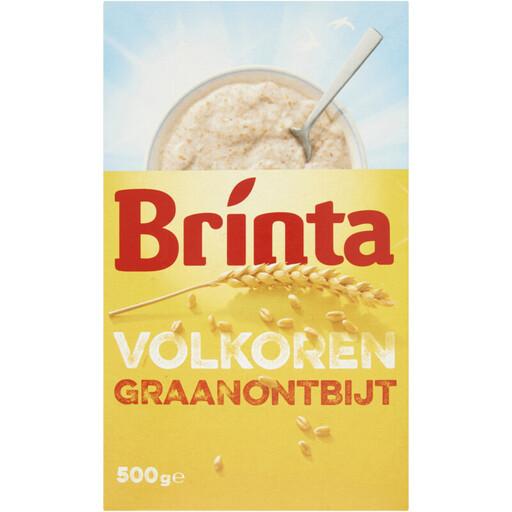 Image unavailable
A cereal breakfast to consider if you’d rather make something warm at your holiday home than eat crunchy flakes.
500 g pack. This product contains wheat and gluten-containing cereals, so don’t choose it if you need a gluten-free breakfast.
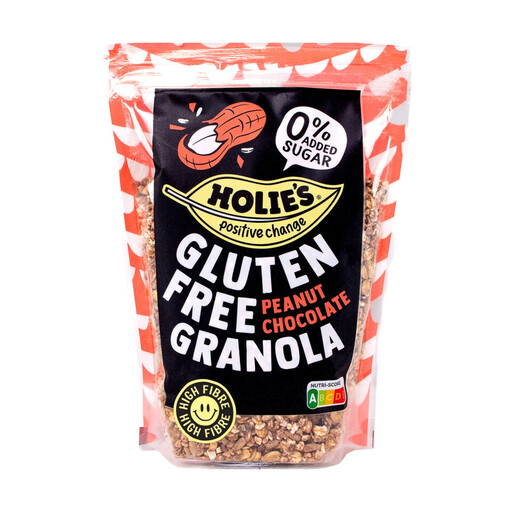 Image unavailable
A granola for anyone looking for a crunchy breakfast, rather than specifically seeking bran flakes.
330 g pack. This product contains peanuts and oats; if you have allergies, check the other warnings on the pack too.
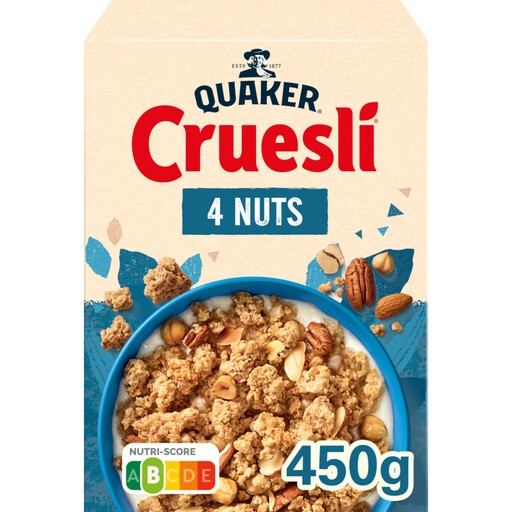 Image unavailable
A crunchy cruesli to compare if you don’t want to prepare porridge.
450 g pack. This product contains gluten-containing cereals and nuts; compare the sugars per 100 g too if that matters to your choice.
 Image unavailable
An option if you’d like to make a warm oat-based breakfast at your holiday home instead of eating crunchy flakes.
600 g pack. The product is listed as containing gluten; check the pack if you need to avoid gluten.
 Image unavailable
An oat product to consider if you prefer a warm breakfast to crunchy flakes.
500 g pack. Check the preparation instructions on the pack before buying. This product contains gluten; if you have allergies, read the other warnings too.
Compare the amount of fibre per 100 g in the nutritional information. This lets you compare products on the same basis, even if their recommended serving sizes differ. Also consider the product type and ingredients.
No. A high fibre content doesn’t tell you whether a product contains gluten. According to Albert Heijn’s product information, Kellogg's All-Bran Plus contains gluten-containing ingredients, as does Jumbo’s product information for Ontbijtpap Volkoren, while AH Glutenvrij Vezelrijke bran flakes is labelled gluten-free. Always check the current packaging.
Follow the storage instructions on the pack and seal dry breakfast cereals carefully after use. Voedingscentrum advises using sealed containers or tins to protect food while it’s being stored.
Read the ingredients list and any allergen warnings on the pack. The Netherlands Food and Consumer Product Safety Authority explains that allergens are listed in the ingredients list; check the specific types of cereal too if gluten is relevant to your choice.