
If fibre is your priority
You want to assess breakfast cereals by their nutritional value, looking beyond a fibre claim on the front of the pack.


For your weekly shop, start by choosing a breakfast cereal that suits your morning routine: porridge oats for a warm bowl, or flakes and crunchy muesli with milk or yoghurt. Then compare similar products per 100 g for fibre and sugars, and check the ingredients and allergens for the exact variety. The Netherlands Nutrition Centre recommends using the nutrition table per 100 g as a useful basis for comparing breakfast cereals.
You want to assess breakfast cereals by their nutritional value, looking beyond a fibre claim on the front of the pack.
You buy breakfast for several mornings at a time and want to compare the sugars and ingredients in crunchy cereals as well as their fibre content.
You’re looking for a pack size and product type that suit your household and routine, from a warm bowl to muesli with yoghurt.
First decide whether you want porridge oats, flakes or crunchy muesli. Then compare products of the same type by checking their labels; the Netherlands Nutrition Centre recommends using the values per 100 g.
| What to consider | What to check | Who it matters to |
|---|---|---|
| Fibre and grain base | Compare fibre per 100 g and check which grains or bran are listed in the ingredients. | If fibre is my main criterion, I also want to know which grains I’m buying. An estimated 45% of consumers put this first. |
| Sugars as well as fibre | Compare sugars per 100 g in similar products and check the ingredients. | For a breakfast I eat often, I don’t want to rely on a fibre claim alone if a crunchy variety tastes sweet. For around 33% of consumers, the balance of sugars matters most. |
| How you’ll use it throughout the week | Choose a suitable product type and pack size; check the best-before date and storage instructions. | My household needs to be able to use the pack on mornings when there’s time for porridge, as well as those when we need a quick bowl. For around 22% of consumers, finding a practical fit is the main concern. |
A fibre claim doesn’t tell you how the sugars and other ingredients in that product compare with those in an alternative.
Compare similar breakfast cereals per 100 g for both fibre and sugars, then read the ingredients list.
Serving sizes can vary between manufacturers, so values per serving aren’t a consistent basis for comparing packs.
Use the nutrition information per 100 g to make your comparison.
Flakes, porridge oats and muesli can contain different grains and other ingredients. The brand name doesn’t tell you which allergens are in the variety you’ve chosen.
Check the ingredients and allergen information on the current packaging for each variety.
Buying a large stock-up is less practical if your household rarely eats that type of product or won’t finish the pack in time.
Choose a pack size to suit the number of people eating breakfast, and check the best-before date and storage instructions.
Food that goes unused can end up being wasted.
A brand to look at if you’re after a warm grain-based breakfast or porridge oats. Jumbo lists Brinta Volkoren graanontbijt (wholegrain cereal breakfast) in a 500 g pack; Albert Heijn describes Brinta Havermout as porridge oats.
A brand that includes Oaties Original Crunch, described by Albert Heijn as being made with wholegrain oats. It’s not the same product as bran flakes.
A supermarket where you can compare own-brand varieties, including AH Glutenvrij Vezelrijke Bran Flakes (gluten-free high-fibre bran flakes), as listed by Albert Heijn.
A supermarket whose breakfast cereal range, as described by ALDI, includes porridge oats, a 7-grain breakfast cereal and Special Flakes.
A supermarket that, according to Lidl’s product listing, stocks Brinta Volkoren graanontbijt (wholegrain cereal breakfast), among other products.
This selection of Joybuy products includes porridge oats and cereal for a warm bowl, as well as crunchy muesli to enjoy with milk or yoghurt. Muesli and porridge oats aren’t bran flakes: start by choosing the type of product you want, then compare the labels.
 No image available
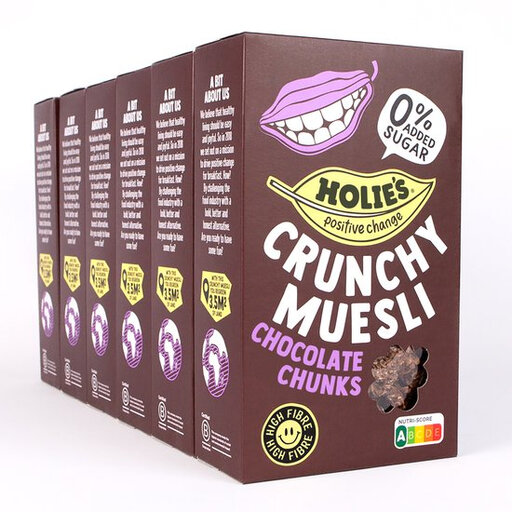
A crunchy muesli to consider if you’re looking for several packs to stock up for the week.
According to the product name, the bundle contains six 400 g packs. Check whether your household will use that quantity, and read the current label for nutrition and allergen information.
 No image available
An oat option if you’d rather have a warm bowl of porridge than crunchy flakes.
600 g pack. Consider the preparation time when making your choice, and check the current label for nutrition and allergen information.
 No image available
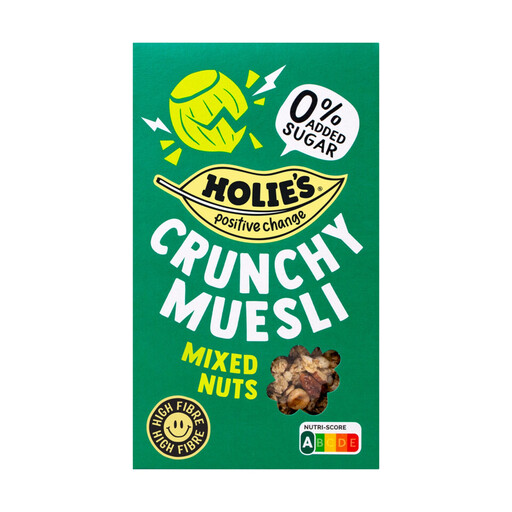
A crunchy muesli to compare if you’re looking for a nut variety.
400 g pack. If you have a nut allergy, check the current allergen information. To compare fibre and sugars, check the nutritional values per 100 g.
 No image available
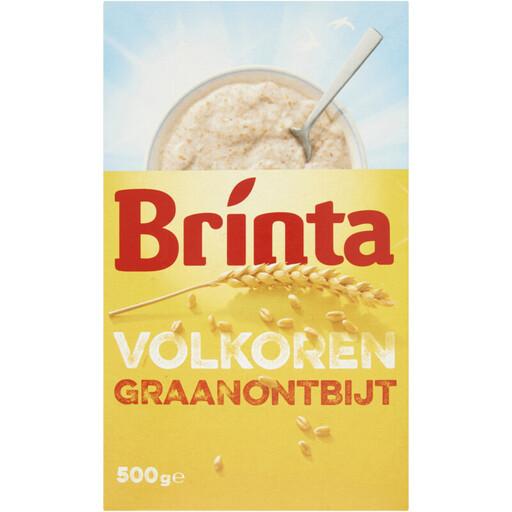
A wholegrain cereal breakfast to consider if a warm bowl fits your morning routine.
500 g pack. Check the preparation instructions and current label, especially if the type of grain or allergens are important to your choice.
 No image available
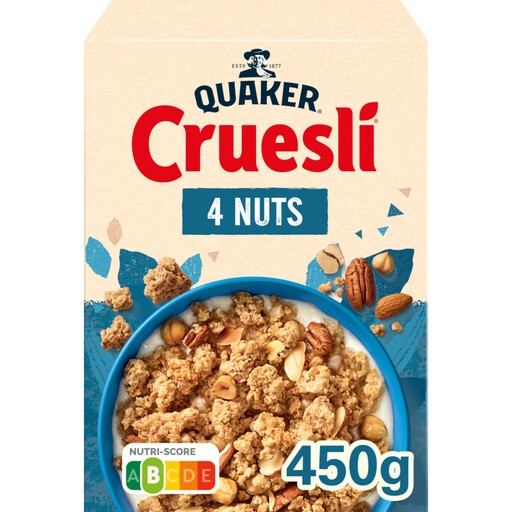
A crunchy muesli to compare if you’d like a nut variety for breakfast.
450 g pack. Check the current label to assess fibre and sugars together, and review the allergen information.
Compare similar breakfast cereals per 100 g rather than by serving alone. The Netherlands Nutrition Centre says this lets you compare fibre and sugars, among other things, on the same basis.
No. A fibre claim doesn’t tell you whether the product as a whole suits your preferences. The European Commission classifies fibre claims as nutrition claims; also compare sugars per 100 g and read the ingredients.
Check the ingredients and allergen information on the current packaging for the exact variety. The Netherlands Food and Consumer Product Safety Authority highlights the requirement to list allergens on the label; don’t rely on the brand name or a product you’ve bought before.
Choose a pack size that suits the number of people eating breakfast and how often they’ll actually have this product. Also check the best-before date and storage instructions on the pack, especially if you’re buying a larger quantity.