
Vandaag of morgen in huis

Kwaliteit gegarandeerd

Welkomstaanbiedingen ontgrendelen: GRATIS bezorging | Tot 80% korting | Gratis 30 dagen JoyPlus-proefperiode
Download de app
As a Joybuy Product Recommendation Officer, I see people navigating the vast sea of supplements every day. You're looking for a high-dose fish oil, likely because you're proactive about your health. But the market can be confusing. Large labels might scream "2000 mg!", but what does that really mean? Before you make a choice, it's wise to know what to look for to avoid paying for fillers instead of active ingredients.
These are the two most common pitfalls when buying fish oil capsules:
To make an informed choice, you only need to look at a few concrete specifications on the label. This will help you see through the marketing hype and find a product that fits your goals.
This is the most important factor. These two omega-3 fatty acids are the reason you're considering a fish oil supplement. The European Food Safety Authority (EFSA) has approved the following health claims, which manufacturers can use if the product meets the conditions:
Therefore, always check the ingredients list for the amount of EPA and DHA per daily dose. A product with a high-dose fish oil will provide a generous amount of these two fatty acids, often well above the minimum 250 mg.
Compare products by calculating the price per gram of active ingredient (EPA + DHA). Here's how:
This will immediately show you which omega-3 supplement offers the best value for money for the active ingredients.
Fish oil is susceptible to oxidation (going rancid), which can reduce its quality and effectiveness. Vitamin E is often added as an antioxidant to protect the fatty acids and help maintain the freshness of the oil. This is a functional additive that contributes to the product's stability.
Based on the criteria above, we have selected a few products that suit different user profiles.
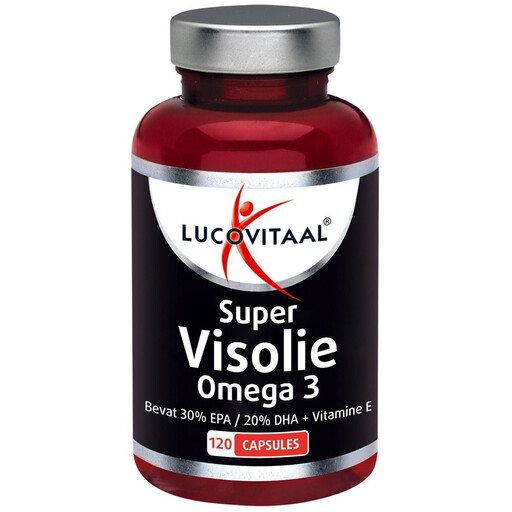
Why This Fits Their Persona: Ideal for those seeking a potent yet affordable omega-3 supplement. With 120 capsules (a 60-day supply), this package offers an excellent starting point to experience the benefits of a high dose without a major upfront investment.
This product is transparent about its contents. The daily dose of two capsules delivers 600 mg of EPA and 400 mg of DHA, for a total of 1000 mg of active ingredients. This means you're paying for the fatty acids, not just the oil.
High concentration of EPA and DHA per dose. Also contains vitamin E to protect the cells and the oil itself.
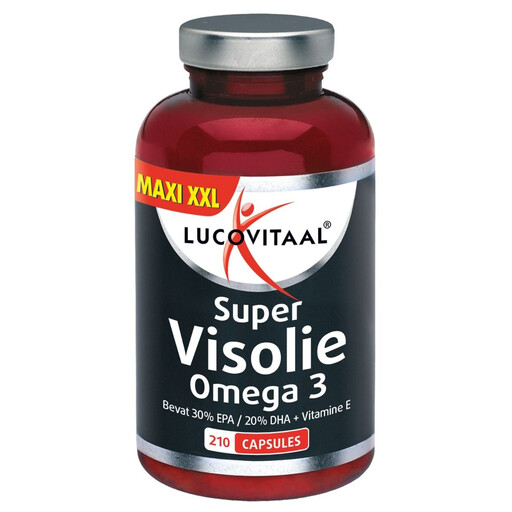
Why This Fits Their Persona: For the user who is already convinced and likes to plan ahead. This XXL package with 210 capsules provides a 105-day supply, which lowers the price per daily dose and increases convenience. You'll need to reorder less often.
This bulk package delivers the same high concentration of EPA and DHA as the smaller versions but lowers the cost per gram of active ingredient. You get more value for your money in the long run, without compromising on quality.
Excellent value for money due to the bulk packaging. Contains the same potent dose of 1000 mg EPA+DHA per day.
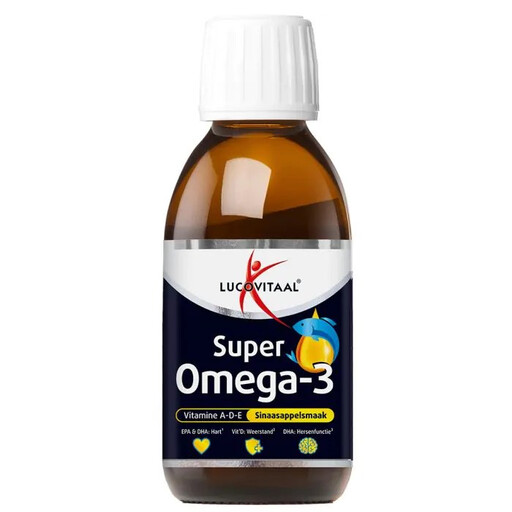
Why This Fits Their Persona: Not everyone enjoys swallowing large capsules. This liquid fish oil with an orange flavour is a practical alternative. You can take it straight or mix it into yogurt, for example, making daily intake easier.
Even in liquid form, the dosage is clear: a daily dose of 5 ml provides 400 mg of EPA and 550 mg of DHA. The flavour might mask the high concentration, but the specifications don't lie. You get a potent dose without the capsules.
Easy to take, no capsules required. Has a pleasant orange flavour and contains vitamins A, D, and E in addition to omega-3.
We have compiled a complete, up-to-date list of products that meet these selection criteria and comply with Dutch regulations.
The Health Council of the Netherlands advises adults to consume 200 milligrams of omega-3 fatty acids from fish (fish fatty acids) per day. The approved health claims from EFSA start at a daily intake of 250 mg of EPA and DHA for a beneficial effect on the heart. 'High-dose' products often offer significantly more, which is why many users opt for a supplement.
No, this is strongly discouraged. Fish oil, as the name suggests, is extracted from fish. If you have a fish allergy, taking fish oil supplements can cause an allergic reaction. In that case, look for a plant-based alternative.
Fish oil is the most well-known source of EPA and DHA. However, fish do not produce these fatty acids themselves; they get them from eating algae. Omega-3 supplements based on algae oil are therefore a good alternative for vegetarians, vegans, or people with a fish allergy. These typically contain mainly DHA and sometimes also EPA. An example of this is the Lucovitaal Omega 3 Fatty Acids based on algae oil.
