
Vandaag of morgen in huis

Kwaliteit gegarandeerd

Welkomstaanbiedingen ontgrendelen: GRATIS bezorging | Tot 80% korting | Gratis 30 dagen JoyPlus-proefperiode
Download de app
As a Product Recommendation Officer at Joybuy, I see the vast selection of herbal teas available every day. The shelves are packed with boxes promising calm, energy, or warmth. But how can you be sure you're making a smart purchase? Many teas look better on the packaging than they taste.
The goal of this guide is simple: to help you recognise the pitfalls and choose an herbal tea that truly suits you, without paying for marketing hype.
Before you put a box in your basket, it's wise to be aware of a few common deceptions. This will help you avoid disappointment and wasted money.
You don't need to be a tea connoisseur to make a good choice. By paying attention to a few concrete specifications, you can quickly assess the quality of an herbal tea.
The ingredient list is your most important tool. Ingredients are listed in order of quantity. Is the herb you're looking for, such as chamomile or ginger, at the top of the list? Then you're usually in good hands.
Herbal tea is fundamentally a caffeine-free tea because it doesn't contain leaves from the tea plant (Camellia sinensis). Still, it's always smart to double-check. Some "herbal" teas, like chai, may have a black tea base and therefore contain caffeine. A true herbal infusion is always caffeine-free and suitable for any time of day, including when you're looking for a bedtime tea for the evening.
Consider what you want to drink the tea for.
To help you get started, we've highlighted a few popular choices and matched them to different preferences. These products demonstrate how to apply the principles above in practice.
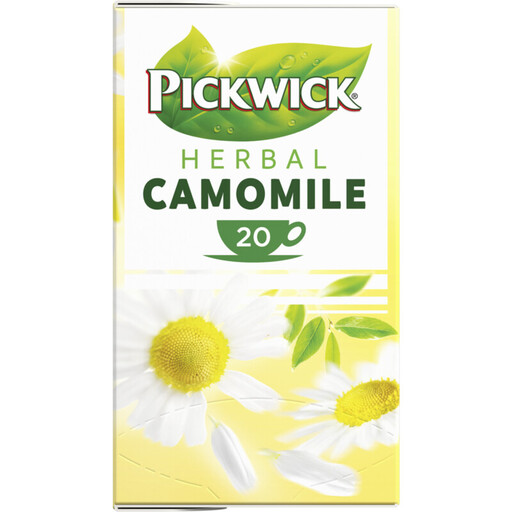
Why This Fits Their Persona: This is a trusted choice for those seeking a simple, effective, and affordable chamomile tea. Ideal for a no-fuss moment of calm before sleep.
This tea sidesteps the pitfall of vague ingredients. The list is short and clear: 100% chamomile flowers. You get exactly what you expect.
A pure, single-ingredient caffeine-free tea. The bags are individually wrapped, which helps maintain freshness.
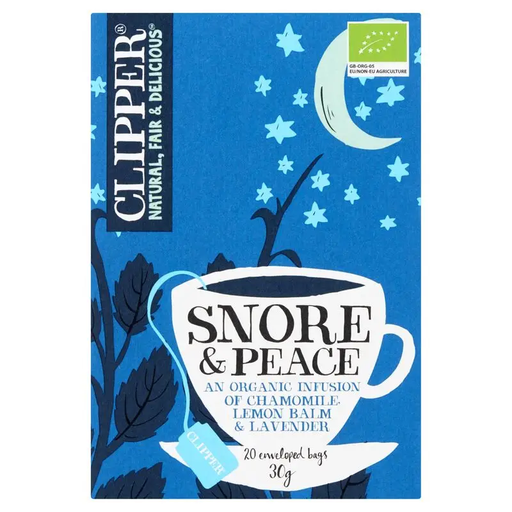
Why This Fits Their Persona: For those who value organic herbal tea and a refined flavour profile. This blend is perfect for a relaxing evening ritual.
This tea is completely transparent. It's certified organic (GB-ORG-05) and the ingredient list specifies percentages. No artificial additives, only pure herbs.
A balanced, floral blend of chamomile, lemon balm, and lavender. The tea bags are unbleached, fitting a conscious lifestyle.
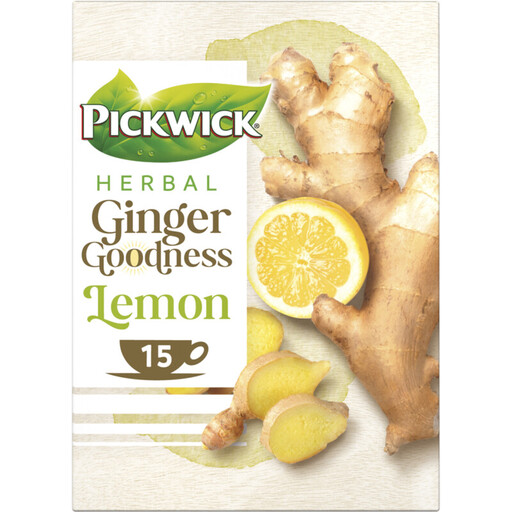
Why This Fits Their Persona: For those seeking a powerful, warming boost. This ginger tea is perfect for a chilly day or when you crave a spicy flavour experience.
This tea avoids the 'weak flavour' trap. The main ingredient is clearly ginger (51%), guaranteeing an authentic and intense ginger taste, not a weak infusion.
An intense and spicy ginger flavour, balanced with a fresh hint of lemon. Completely caffeine-free and made with natural flavours.
We've compiled a complete, up-to-date list of products that fully meet these strict selection criteria. Find the herbal tea that's perfect for you.
Real tea (like black, green, or white tea) is made from the leaves of the tea plant, Camellia sinensis. This plant naturally contains caffeine. Herbal tea, also known as a tisane, is an infusion of other plants, such as herbs, spices, flowers, or fruits. As a result, it is naturally a caffeine-free tea.
To preserve the aromas and flavours for as long as possible, it's best to store herbal tea in a cool, dark, and dry place. An airtight canister or jar is ideal for protecting the herbs from moisture, light, and air.
Absolutely. It's a fun way to create your own unique flavour. For example, try combining mint with chamomile tea for a refreshing yet calming tea. Or add a slice of fresh ginger to your liquorice tea for an extra warm and spicy touch.
