
Cook who uses fresh herbs
You want to keep leftover herbs fresh until you cook. The Netherlands Nutrition Centre advises wrapping leftover herbs in damp kitchen paper and storing them at the bottom of the fridge.


If you only need to store fresh herbs for a get-together, you may not need a new fridge. First, check that your current fridge is set to 4 °C and that you can store the herbs at the bottom, wrapped in damp kitchen paper. If you do decide to buy a fridge, consider the cooling capacity you need, the space available, the layout and annual energy consumption to decide whether a fridge without a freezer compartment, a fridge-freezer or an under-counter model is right for you.
You want to keep leftover herbs fresh until you cook. The Netherlands Nutrition Centre advises wrapping leftover herbs in damp kitchen paper and storing them at the bottom of the fridge.
As well as herbs, you need space for ingredients and prepared dishes. The Consumers’ Association recommends considering factors such as capacity and layout when choosing a fridge.
The space you have available will help determine which type of fridge is right for you. Compare the appliance’s external dimensions with the space where you plan to put it.
For cut herbs, the Netherlands Nutrition Centre advises storing them at the bottom of the fridge at a temperature of 4 °C. Start by considering how you’ll store them and how much capacity you need for the rest of your shopping.
Right for you if: your fridge reaches 4 °C and has enough space for the herbs and the rest of your shopping.
Consider: you’ll need to work with your current fridge’s temperature and layout. A dedicated freshness drawer isn’t required for the storage advice cited here.
Right for you if: you mainly need fridge space for herbs, fresh ingredients and prepared dishes.
Consider: this type has no freezer compartment. Check that the cabinet and door will fit in your kitchen, too.
Right for you if: you want a freezer as well as space to chill your shopping.
Consider: part of the total capacity is taken up by the freezer, leaving less space for fresh food.
Right for you if: the space available in your kitchen is the deciding factor and you don’t need to store a large amount of food.
Consider: check that there’s enough fridge space for both your herbs and the food you need for your guests.
| What to consider | What should you check? | Who is this important for? |
|---|---|---|
| Storing herbs | Check that the fridge is set to 4 °C and that you can store cut herbs at the bottom, wrapped in damp kitchen paper. If they’re in a sealed pack, follow the storage advice on the packaging. | I want to know how to store herbs properly until I cook, without immediately buying a new appliance. Around 36% of consumers say storing herbs is their main concern when buying. |
| Fridge space for guests | Compare the fridge capacity with the freezer capacity separately, and check whether the shelves and drawer suit the food you plan to store. | When friends come over, I want room for ingredients and prepared dishes as well as herbs. Around 29% of consumers prioritise usable fridge space for food for guests. |
| Energy consumption | Check the EU energy label for the A–G rating and annual consumption in kWh. The European Commission explains the scale for fridges and freezers. | As the fridge stays on even when I don’t have guests, I want to take its annual energy consumption into account. Around 21% of consumers rank energy consumption as their top priority. |
| Kitchen space | Measure the available space and the route into your kitchen. Check the external dimensions and make sure the door and drawers can open. | In a small kitchen, I want to know that the appliance will fit and remain accessible. Around 14% of consumers say limited space is their main consideration. |
The Netherlands Nutrition Centre’s advice for leftover herbs focuses on how to wrap them and where to store them in the fridge. A drawer designed for fruit and vegetables doesn’t, by itself, prove that cut herbs will stay fresh for longer.
First, check the temperature and storage method. Then consider whether a particular drawer suits the other fresh produce you want to store in it, and check the specifications of the model.
The total capacity of a fridge-freezer includes the freezer space. Energielabel.nl lists fridge and freezer capacity separately; freezer space isn’t somewhere to store fresh herbs.
Compare the stated fridge capacity and check whether the layout suits your herbs and shopping.
An extra fridge uses electricity even when you don’t have guests. Milieu Centraal advises switching on a second fridge only for parties, or considering a larger appliance that suits your needs.
Work out how often you need extra fridge space and compare the annual energy consumption of appliances that suit your usage.
For the Samsung RB38C7AGWS9/EF, Samsung Netherlands and Joybuy list different capacities and colours: 387 litres and Mat Inox, compared with 385 litres and white, respectively.
Check the exact version and product information sheet before making a decision based on a model code.
Bosch Netherlands lists examples of both a fridge without a freezer compartment and an under-counter model.
The Liebherr CBNdgc 5733 is a fridge-freezer with BioFresh.
The Samsung RB38C7AGWS9/EF is an example of a fridge-freezer with Twin Cooling.
The Whirlpool W55T0 413W is a fridge-freezer with a Fresh Box and crisper divider.
The Beko B7RMLNE445ZXP is an example of a freestanding fridge with no freezer compartment listed.
These Joybuy products include fridge-freezers and compact fridges for anyone who wants to store herbs alongside other chilled shopping.
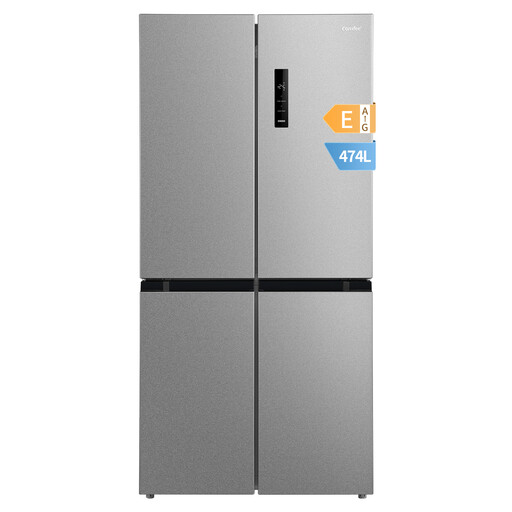 Image unavailable
Suited to anyone looking for space for other chilled shopping as well as herbs; check that it will fit in your kitchen.
Joybuy lists a capacity of 474 l, a four-door layout, a vegetable drawer with three temperature settings and an E energy rating.
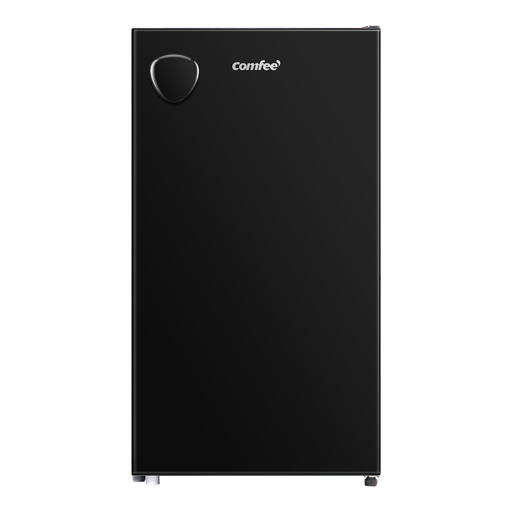 Image unavailable
Suited to a smaller kitchen where you want a compact fridge with a vegetable drawer; check that it has enough capacity for the food you need for your guests.
Joybuy lists a capacity of 88 l, an E energy rating, an adjustable thermostat, a reversible door and removable glass shelves. According to the product information, the separate cooling zone is designed for short-term chilling; don’t store products in it for more than 2 hours.
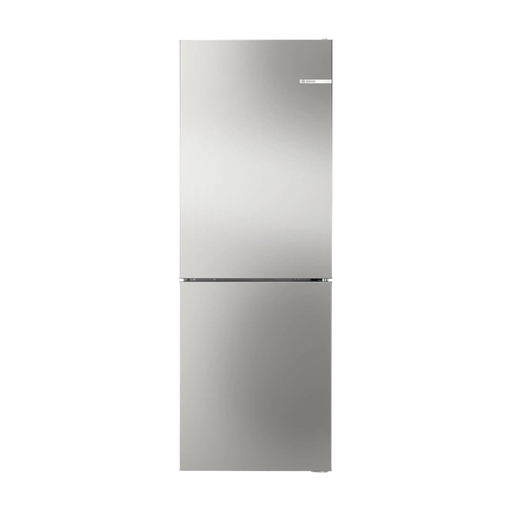 Image unavailable
An option to compare if you want a freezer as well as fridge space; check whether the layout suits your herbs and other food.
Joybuy lists a capacity of 308 l, NoFrost, VitaFresh and a freezer compartment with a 4-star rating. Check the fridge and freezer capacities separately.
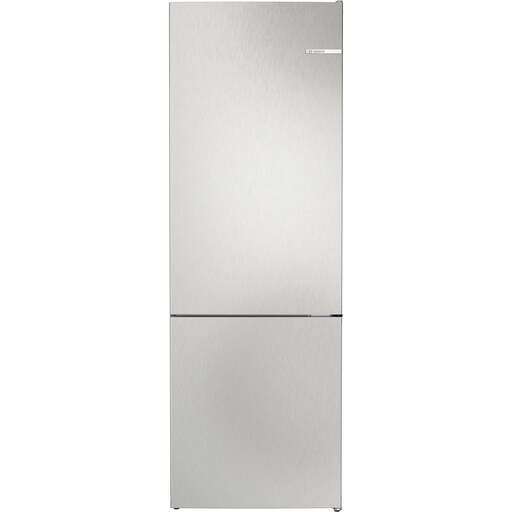 Image unavailable
Suited to anyone considering a fridge-freezer who has checked that there’s enough space for the appliance.
Joybuy lists a capacity of 391 l, NoFrost, VitaFresh and a silver finish. Check the fridge and freezer capacities separately before assessing how much space will be available for fresh food.
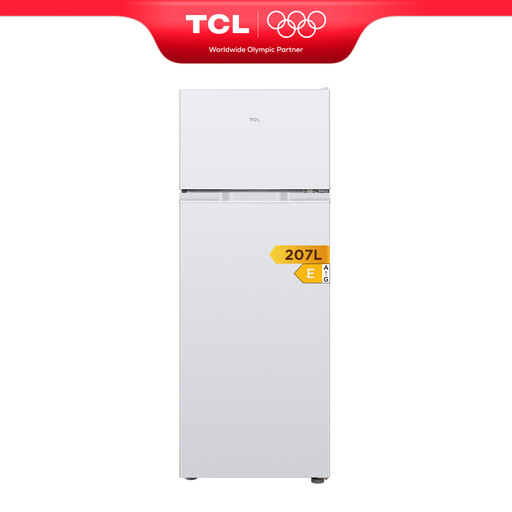 Image unavailable
A compact fridge-freezer to compare if your kitchen space is limited and you also want to freeze food.
Joybuy lists a total capacity of 207 l: 167 l of fridge space and 40 l of freezer space. This version is 55 cm wide and has a crisper drawer and an E energy rating.
The Netherlands Nutrition Centre advises wrapping leftover herbs in damp kitchen paper and storing them at the bottom of the fridge. If they’re in a sealed pack, follow the storage advice on the packaging. This advice doesn’t automatically apply to a living herb plant in a pot.
The Netherlands Nutrition Centre advises keeping your fridge at 4 °C. Place a fridge thermometer in the middle of the bottom shelf, leave it there for half a day or overnight, and adjust the fridge if the reading is higher.
No. For herbs you plan to use fresh soon, the Netherlands Nutrition Centre recommends storing them in the fridge. Freezing is another option for chopped herbs you want to use later; choose a freezer compartment if it also suits your other needs.
For household fridges sold in the EU, the energy label includes information such as the A–G rating, annual energy consumption, capacity and noise level. The European Commission explains the EU energy label scale; check the label or product information sheet for the exact version.
In the Netherlands, you should contact the retailer if a product is faulty. According to the Dutch Government, there’s no set time limit for statutory warranty, and a manufacturer’s warranty doesn’t replace those rights. When you buy a similar new appliance, the shop is required to take back your old one.