
Vandaag of morgen in huis

Kwaliteit gegarandeerd

Welkomstaanbiedingen ontgrendelen: GRATIS bezorging | Tot 80% korting | Gratis 30 dagen JoyPlus-proefperiode
Download de app
Buying a helmet might seem straightforward – until you start comparing different sizes, safety certifications and models side by side. A cycling helmet isn’t automatically suitable for BMX, a skate helmet doesn’t offer the same coverage as a full-face helmet, and a child’s helmet needs to be adjusted differently to a motorbike helmet.
Marketing copy often focuses on eye-catching colours, ventilation openings or a visor. Yet it’s the intended use, the fit and the correct standard that really determine whether a helmet is right for you. These checkpoints will help you avoid a bad purchase.
An adjustable helmet can accommodate different head sizes, but an adjustment system won’t make a helmet that’s too big or too small fit properly. Measure the circumference with a flexible tape measure, about two centimetres above your eyebrows and horizontally around your head.
Then check the size chart for the specific model. A child’s helmet of 20–23 inches is not the same as a model of 54–58 cm. The unit of measurement also varies from product to product.
A well-fitting helmet:
An EN1078 helmet is intended for activities including cycling, skateboarding and roller skating. That doesn’t make such a helmet suitable for motorbike riding. For motorbike and scooter use, you need to look for an appropriate ECE R22.06 helmet and check the information on the actual label and product page.
According to the product description, the ACTION PW-905 and PW-903 models are EN1078 tested and CE certified. For the MY 935 and MY 936 motorbike helmets, the product description states ECE R 22.06. These details come from the relevant product information; always check the marking, instruction manual and current regulations for your vehicle upon receipt.
Ventilation is pleasant during a bike ride or an intense mountain bike session, but more openings don’t in themselves say anything about the fit or safety standard. A visor can reduce sun, rain or flying debris, but it must not obstruct your view.
With a full-face helmet, you should also check that the chin bar is secure, that the fastening works properly and that the helmet is suitable for the activity. A model designed for downhill mountain biking isn’t automatically suitable for a motorbike.
Many cycling and children’s helmets combine an outer shell of PC or PVC with an inner layer of EPS. With in-mould construction, the outer shell and foam are bonded together according to the product description. A skate helmet may use a different construction. Don’t just look at material names – also consider the application and safety standard.
A full-face helmet covers not only the head but also the chin and parts of the face. This can be suitable for BMX, downhill or dirt biking, but it’s generally heavier and warmer than a standard cycling helmet.
A dial, adjustment strap or adjuster helps you fine-tune the helmet. Also check the chin strap. A quick-release buckle is practical for children; a D-ring system is found, for example, on certain mountain bike helmets.
Examples of stated size ranges:
These ranges are indications from the product information. The shape of the helmet and the shape of your head also play a role.
Check a helmet before each use for cracks, loose parts and damaged straps. Wash removable liners with a mild detergent and let them air dry. Do not use solvents or harsh cleaning products.
After a significant impact, you must replace the helmet, even if there’s little visible damage on the outside. The product information for some models also recommends replacement after three to five years, as materials can degrade. Always follow the manufacturer’s instructions.

Why this fits the profile: This model is designed for cycling, skating and other wheeled sports. The built-in adjuster makes it possible to adjust the head circumference without a complex fastening system.
The size is adjustable and the product description mentions EN1078 testing, so you don’t have to choose based on appearance alone.
PVC outer shell, EPS inner layer, adjustable fit and strong straps.
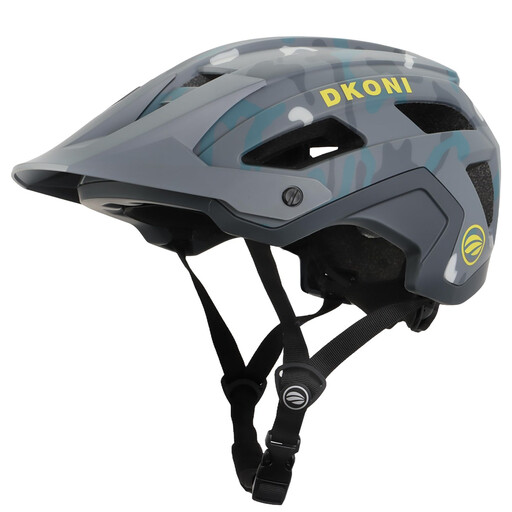
Why this fits the profile: An adult cyclist who goes on longer rides gets a model with an adjustment wheel, removable liner and a detachable visor.
The product description mentions 17 ventilation openings, an adjustment wheel and a washable inner lining. This makes comfort and maintenance easy to assess.
Weight of 380 grams according to the product information, PC/EPS construction and large ABS visor.
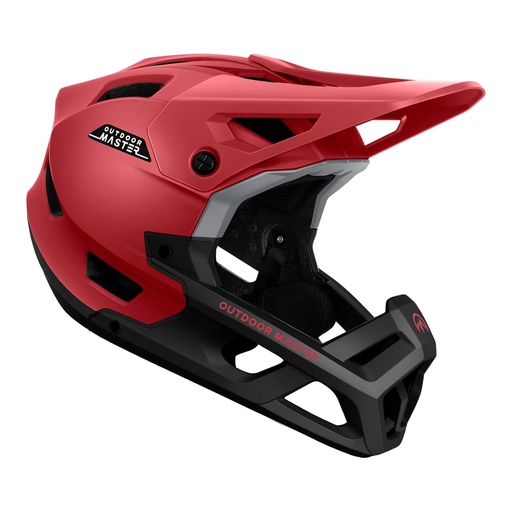
Why this fits the profile: According to the product description, this full-face helmet is aimed at downhill, BMX and higher-intensity mountain biking.
The chin bar, visor and removable liner are clearly described. Do check whether the size and weight suit your riding style.
ABS outer shell, EPP inner layer, 27 ventilation channels and an adjustable visor according to the product information.
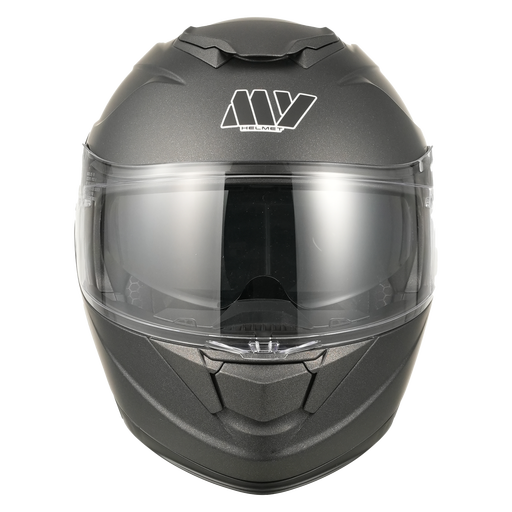
Why this fits the profile: A scooter or motorbike rider looking for a modular helmet with flip-up function and sun visor can compare this model on size, fastening and features.
The size range from XS to XXL and the stated ECE R 22.06 specification are in the product description. Check the size and the marking on the product before purchase.
ABS shell, EPS inner layer, flip-up chin bar, dual visor and space for a Bluetooth headset according to the product information.
We’ve put together a full, up-to-date list of products that fully meet these strict selection criteria and current European safety regulations.
Measure your head circumference with a flexible tape measure and compare the result with the size chart for the model. Adjust the helmet using the dial or straps. The helmet should sit horizontally and not shift when you move your head.
Replace a helmet immediately after a significant impact or if you see cracks, deformation or loose parts. Some product descriptions also mention a service life of three to five years. Check the manufacturer’s instructions for this, and do not store a helmet for long periods in heat or direct sunlight.
Not as standard. A cycling helmet or skate helmet with EN1078 is intended for non-motorised activities. For a scooter or motorbike, you need a model that is designated for motorbike use, such as a modular helmet or full-face motorbike helmet with the appropriate ECE marking. Always check the current legal requirements and the label on the helmet.
