
Vandaag of morgen in huis

Kwaliteit gegarandeerd

Welkomstaanbiedingen ontgrendelen: GRATIS bezorging | Tot 80% korting | Gratis 30 dagen JoyPlus-proefperiode
Download de app
Cold, numb feet can completely ruin a perfect winter day. Whether you're on the ski slopes, taking a long walk, or standing on the sidelines at a sports match, once the chill sets into your toes, the fun is over. The market for heated insoles promises a simple solution, but the results are often disappointing. Many products fail to live up to their promises, leaving you with discomfort and wasted money.
Before you make a purchase, it's wise to understand the most common pitfalls:
A good choice depends on a few simple but crucial specifications.
To avoid making a bad purchase, there are a few objective features that make all the difference. Pay attention to these when comparing heated insoles.
The way the insoles heat up determines their ease of use. The simplest and most reliable option is air-activated heat insoles.
For those looking for an instant and hassle-free solution, air-activated models are a practical choice.
The comfort of heated insoles largely depends on their thickness and material. An insole should provide warmth without altering the fit of your shoe.
Look for ultra-thin designs. These are specifically made to fit in almost any shoe, from snug ski boots to your everyday trainers, without causing extra pressure. The insoles should be flexible and conform to the shape of your foot and shoe. A stiff or thick insole can significantly ruin your hiking or skiing experience.
A reliable insole provides consistent, comfortable warmth for an extended period. Products often specify an estimated duration, such as "up to 8 hours of heat." This is an important criterion, especially for insoles for skiing or long hikes.
Also, pay attention to the safety instructions. Most manufacturers recommend not using the insoles directly on bare skin to prevent irritation. Always wear socks. This provides a safe buffer and helps distribute the heat evenly.
Not everyone has the same needs. Below are a few options suited for different situations, based on their specifications.
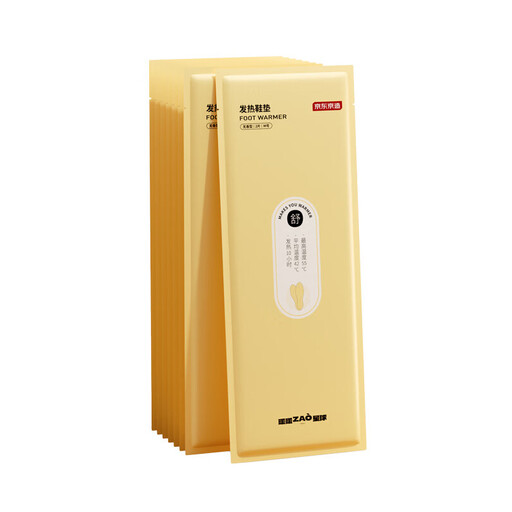
Why it's a match: For those who spend long days outdoors and need a reliable, no-fuss solution. Ideal for ski or hiking boots where you don't want the hassle of batteries.
The air-activated mechanism eliminates the unreliability of batteries. The ultra-thin design prevents fit frustration in snug footwear.
Instantly ready to use and designed for long-lasting, stable heat output—exactly what's needed for a full day on the slopes.
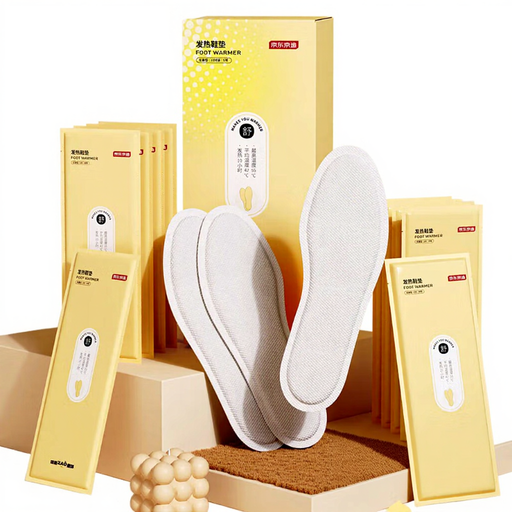
Why it's a match: For anyone who easily gets cold feet, whether at the office, at home, or at an event. A simple solution for an everyday problem.
These insoles are available in different sizes (size S shown here), which guarantees a proper fit. The individual packaging makes them easy to take with you.
Offers a quick and effective solution with insoles for cold feet. Just open the package and enjoy the warmth within minutes.
We have compiled a complete, up-to-date list of products that fully meet these strict selection criteria and safety regulations.
1. How long do these heated insoles stay warm? Most air-activated foot warmers are designed to provide heat for several hours, often between 6 and 8 hours. The exact duration depends on environmental factors, such as the outside temperature. Always read the specifications on the packaging for the most accurate information.
2. Can I use heated insoles directly on my skin? No, it is strongly advised not to place the insoles directly on bare skin. The heat can be intense and cause skin irritation or even minor burns. Always wear socks as a buffer between your skin and the insole.
3. Are these heat insoles reusable? Air-activated insoles are intended for single use. Once the chemical reaction is complete, the heat production stops, and they cannot be "recharged." After use, you can dispose of them with regular household waste. This makes them a convenient, maintenance-free option for those who don't want to bother with charging batteries.
