
Vandaag of morgen in huis

Kwaliteit gegarandeerd

Welkomstaanbiedingen ontgrendelen: GRATIS bezorging | Tot 80% korting | Gratis 30 dagen JoyPlus-proefperiode
Download de app
Choosing a new tumble dryer can sometimes feel like a daunting task. The market is flooded with models that all claim to be energy-efficient, quiet, and smart. But how do you know which heat pump tumble dryer truly fits your household and which promises are just marketing fluff? As a Product Recommendation Officer at Joybuy, I'm here to help you separate fact from fiction. We'll look at the specifications that really matter, ensuring you make a purchase you'll be happy with for years to come.
Before we explore the options, let's first discuss three common pitfalls that buyers can fall into.
To avoid buyer's remorse, it's important to focus on a few key specifications. These will determine whether a tumble dryer is right for your situation.
The load capacity of your dryer should match the capacity of your washing machine and the size of your household.
The noise level, expressed in decibels (dB), is especially important if your dryer is located in or near your living space.
Look beyond just the energy class. The most important figure on the energy label is the energy consumption per 100 cycles. This gives a realistic picture of the annual running costs. A model with 100 kWh per 100 cycles is significantly more efficient than a model with 130 kWh, even if they are in the same energy class. This is the key to finding a truly energy-efficient tumble dryer.
Below is a selection of heat pump tumble dryers tailored to different needs and households.
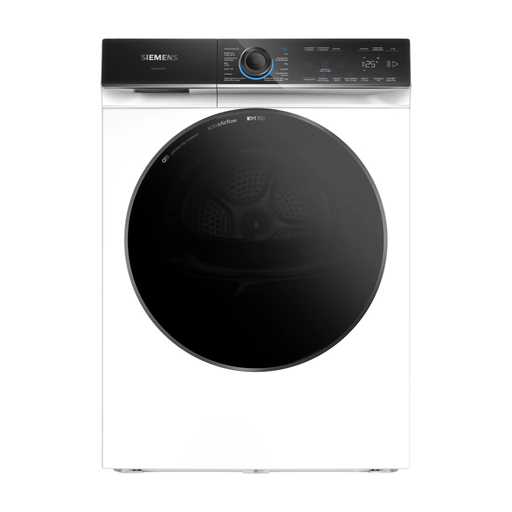
Why This Fits Their Persona: Perfect for families who do large loads of laundry. The 9 kg capacity, the steam function (smartFinish) that reduces ironing, and the fast-drying option (varioSpeed) make the laundry process more efficient and easier.
The selfCleaning Condenser from Siemens is known as a reliable system that genuinely keeps the condenser lint-free, thereby maintaining efficiency. This bypasses the 'maintenance-free' myth.
Energy Class A and a very low noise level of 57 dB(A). The Home Connect app offers useful features like energy management and remote programme selection, which adds real value for a busy family.
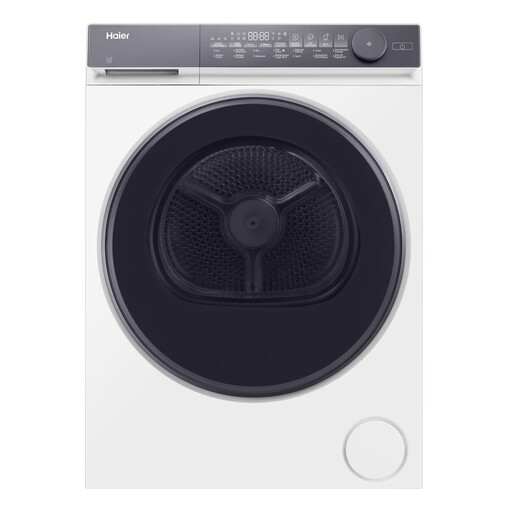
Why This Fits Their Persona: This 8 kg dryer offers an excellent balance between purchase price and low running costs. Ideal for smaller households looking for an energy-efficient solution without paying for unnecessary luxuries.
With an energy class C rating, this model shows that you shouldn't be deterred by the new label. Its consumption is still low thanks to heat pump technology, which bypasses the pitfall of label confusion.
Offers useful features like the I-Refresh cycle and a hygiene programme. With a noise level of 62 dB(A), it's a relatively quiet tumble dryer for its price range.
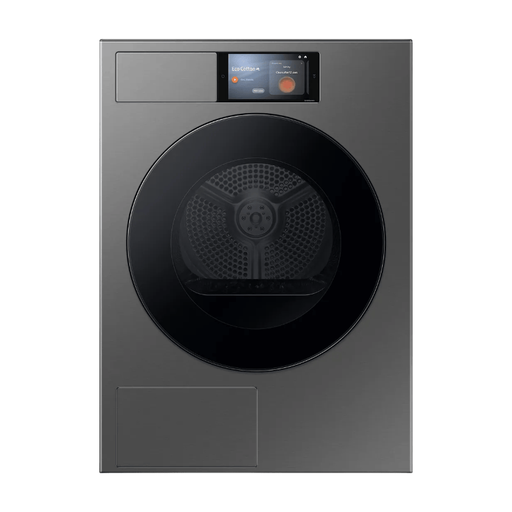
Why This Fits Their Persona: This is the epitome of a smart tumble dryer. With a 7-inch AI touchscreen, AI Dry+ sensors, and full SmartThings integration, this model offers the personalisation and control a tech enthusiast is looking for.
For this user, the smart features are not a gimmick. The AI learns from your habits and suggests cycles, which genuinely saves time and improves drying results. This is an example of smart technology that is worth the extra cost.
Extremely quiet with a noise level of just 60 dB. The Energy Class A rating and the use of the more environmentally friendly R290 refrigerant make it a technologically advanced and sustainable choice.
We have compiled a complete, up-to-date list of products that fully meet these strict selection criteria and comply with all relevant safety standards.
Consumption varies by model, but a modern, energy-efficient heat pump tumble dryer typically uses between 70 and 130 kWh per 100 drying cycles. This is significantly less than traditional condenser or vented dryers, which often consume more than 400 kWh. Always check the energy label for the exact specification to make an accurate comparison.
No, it's not usually required. Almost every heat pump tumble dryer has a built-in condensed water reservoir that you can manually empty after each cycle. However, most models also come with a drain hose. If you have the option to connect the dryer to a water drain, you will no longer need to empty the reservoir. This is a convenient extra, but not a requirement.
The lifespan of a heat pump tumble dryer depends on its build quality, usage, and maintenance. On average, most heat pump tumble dryers last about 10 to 15 years. Regular maintenance, such as cleaning the lint filters after every cycle and periodically cleaning the condenser (if not fully self-cleaning), is crucial to maximising its lifespan and maintaining its efficiency.
