
If you dry large bedding
You’ll want to avoid dryer-safe covers or a suitable duvet bunching up and staying damp in places. So look for plenty of room in the drum and, where available, a reversing drum.


Choose a heat pump tumble dryer that gives your bedding enough room to move within the permitted load size. A bedding programme or a reversing drum may help, but neither guarantees that a duvet will dry. Compare the duration of a programme suitable for your fabrics with your moving schedule, and measure both the space where the dryer will go and the route to get it there. Before packing, check that the thicker sections are dry too.
You’ll want to avoid dryer-safe covers or a suitable duvet bunching up and staying damp in places. So look for plenty of room in the drum and, where available, a reversing drum.
You’ll need time to dry your bedding before packing it. Compare the duration of the relevant programme, rather than a quick cycle designed for a small load.
Consider the route to the new space, the room available for the dryer and how the condensate water will be drained.
Start by checking the space and permitted load for your bedding. Then plan a suitable drying cycle and, finally, check what you’ll need for installation and everyday use.
| What to consider | What to check before buying | Who is this most important for? |
|---|---|---|
| Even drying | Check the permitted load for the programme and whether large bedding can move freely. | If I’m drying large covers or a duvet, I want to avoid sections bunching up and staying damp. Around 36% of consumers say even drying is their main concern when buying. |
| Your moving deadline | Compare the programme duration for your fabrics and leave time to check the bedding afterwards. | If I need to finish before packing, I want to know how long the suitable cycle takes. Around 29% of consumers say their moving deadline is their top priority. |
| Energy use after the move | Compare energy labels and consumption figures measured on the same basis; they won’t directly predict the energy used by your bedding programme. | If I’ll use the dryer regularly after moving, I want to factor energy consumption into my choice. Around 21% of consumers put running costs first. |
| Installation and water drainage | Measure the access route and the space for the dryer, and check whether you can connect a drain or will need to empty the condensate tank. | If the space or access route is tight, I want to know in advance whether the appliance will fit and how to drain the condensate water. Around 14% of consumers say installation and drainage are their main buying concerns. |
On the Bosch WQG235D9NL, the 40-minute programme is designed for a small load of lightweight or synthetic laundry, not a full load of bedding.
Check the duration and permitted load of the programme suitable for your fabrics. You may need an extra drying cycle, which could put your moving schedule under pressure.
Large bedding can bunch up during drying and stay damp in some places, even if the load is below the stated maximum capacity.
Check the programme instructions and make sure the items can move freely. When the cycle ends, check that the thicker sections are dry too.
You’ll still need to clean the fluff filter on a heat pump tumble dryer. The Dutch Consumers’ Association recommends cleaning it after every drying cycle.
Follow the manual for your exact model when cleaning the filter, condenser and other parts.
The appliance also needs to fit through the access route. The drainage available will also determine how you collect the condensate water.
Measure the access route and installation space in advance, and check whether a condensate drain hose is needed and will fit. If you don’t connect a water drain, you’ll need to empty the condensate tank.
For the Dutch market, Bosch lists the WQG235D9NL as an 8 kg heat pump tumble dryer with Bedding, Down, Auto Dry and a reversing drum.
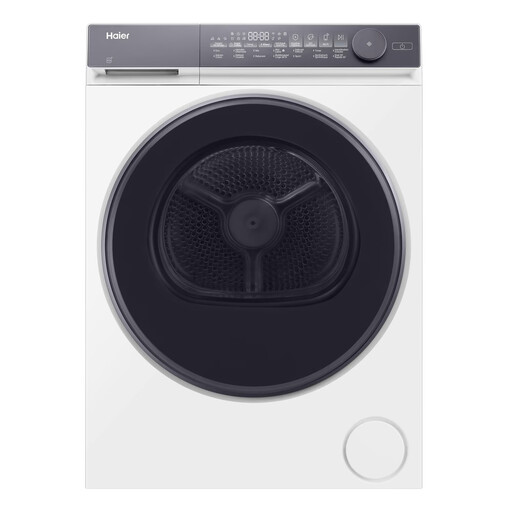
For the Dutch market, Beko lists the BM3T3824W as an 8 kg heat pump tumble dryer with an OptiSense drying sensor and a C energy rating on the new scale.
For the Dutch market, Miele lists the TEH788WP as a 9 kg heat pump tumble dryer with an intelligent reversing drum.
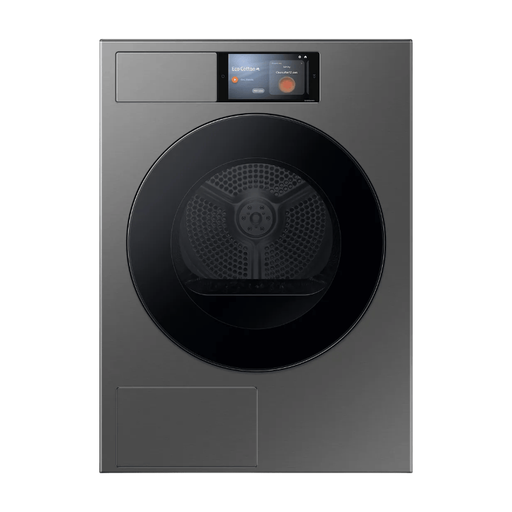
For the Dutch market, Samsung lists the DV90DG6845LBU3 as a 9 kg tumble dryer with an A energy rating and AI Dry+.
These heat pump tumble dryers are worth comparing for drying bedding that’s suitable for tumble drying before a move.
 No image available
A stated capacity of 9 kg may suit your needs if your permitted load is within that limit. Also check which programme is suitable for your bedding.
Heat pump tumble dryer; 9 kg; energy rating A; AI Dry+; Wi-Fi and SmartThings.
 No image available
A stated capacity of 8 kg may suit your needs if your bedding is within the permitted load. Check the manual for the suitable programme.
Heat pump tumble dryer; 8 kg; energy rating C; Wi-Fi and Bluetooth.
 No image available
Compare the stated capacity of 9 kg with the permitted load for the programme you plan to use for your bedding.
Heat pump tumble dryer; 9 kg; energy rating B; NL/FR control panel.
 No image available
Check that the stated capacity of 9 kg and the control panel suit your needs and the permitted load for the suitable programme.
Heat pump tumble dryer; 9 kg; energy rating B; German control panel.
 No image available
Compare the stated capacity of 8 kg with the permitted load and the space your bedding needs in the drum.
Heat pump tumble dryer; 8 kg; energy rating E.
No. First check the care symbol and the instructions for the specific duvet or cover. A crossed-out tumble-drying symbol means the fabric must not go in the dryer. Also check the permitted load for the programme you choose.
Take the bedding apart and check which sections are still damp. Large bedding can bunch up during drying and stay damp in places, so check the fabric care instructions and the suitable programme before drying it again.
Compare energy labels and consumption figures measured on the same basis. Since 1 July 2025, tumble dryers have used the A–G scale, according to the European Commission. The consumption figure for the eco programme won’t directly predict the energy used by your bedding programme.
Clean the fluff filter after every drying cycle and empty the condensate tank if no water drain is connected. Follow your model’s manual for the condenser and other parts. A self-cleaning condenser doesn’t mean you can skip all the other maintenance steps.
Measure both the space where the dryer will go and the route through doorways and corridors. Also check how the condensate water will be drained and whether you need a suitable hose. If no drain is connected, you’ll need to be able to empty the condensate tank.