
Vandaag of morgen in huis

Kwaliteit gegarandeerd

Welkomstaanbiedingen ontgrendelen: GRATIS bezorging | Tot 80% korting | Gratis 30 dagen JoyPlus-proefperiode
Download de app
Buying a new tumble dryer can sometimes feel like navigating a maze of technical specifications and marketing promises. The heat pump dryer, known for being an energy-efficient choice, comes with its own set of pitfalls. Many households unwittingly fall for marketing traps that lead to a higher energy bill or an appliance that fails to meet expectations.
As a Joybuy Product Recommendation Officer, I see which specifications truly matter every day. Let's break down the three most common missteps so you can make an informed decision that suits your household and your budget.
To avoid these pitfalls, it's important to focus on the specifications that make a direct difference in your daily life and on your energy bill.
The load capacity indicates how many kilograms of laundry you can dry at once. A good rule of thumb is to choose a dryer with a load capacity equal to or slightly larger than your washing machine.
Since the introduction of the new energy labels (ranging from A to G), comparison has become clearer. An energy-efficient tumble dryer with an A rating is the most efficient choice. However, don't just look at the letter; also check the energy consumption per 100 cycles listed on the label. This figure (in kWh) gives a more realistic picture of the annual costs. A lower number means a lower energy bill.
Is your tumble dryer located near your living room or bedroom? Then a quiet tumble dryer is not an unnecessary luxury. The noise level is expressed in decibels (dB).
Based on objective specifications, we have selected a few models that suit different needs and budgets.
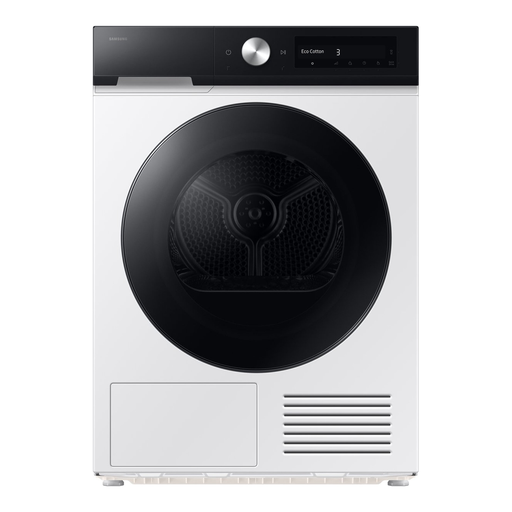
Why this fits their profile: With a 9 kg load capacity and an A energy rating, this Samsung tumble dryer is ideal for families who do a lot of laundry and want to keep energy costs low.
This model focuses on what truly matters: very low energy consumption (79 kWh/100 cycles) and useful features like the humidity sensor (Optimal Dry), without driving up the price with unnecessary extras.
Energy Class A: One of the most efficient models on the market. The SuperSpeed function can dry a load in 81 minutes, saving time.
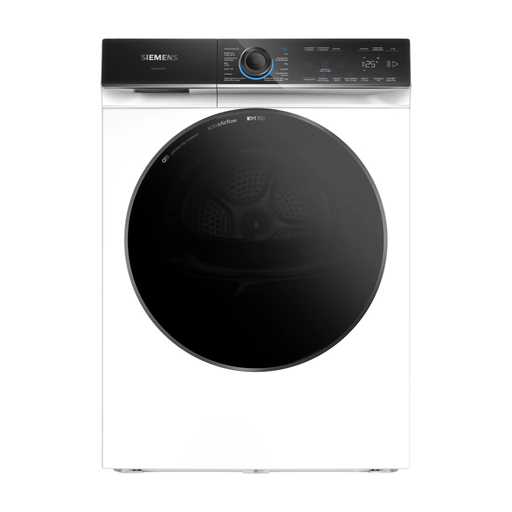
Why this fits their profile: For those seeking top quality, convenience, and advanced garment care. This model offers a combination of a very low noise level, an effective steam function, and a reliable self-cleaning condenser.
The Siemens selfCleaning Condenser is known as one of the more effective systems, which safeguards long-term efficiency. The smartFinish steam function is a practical tool that genuinely reduces the need for ironing.
Very quiet (57 dB): One of the quietest dryers on the market. The tumble dryer with steam function (smartFinish) significantly reduces wrinkles.
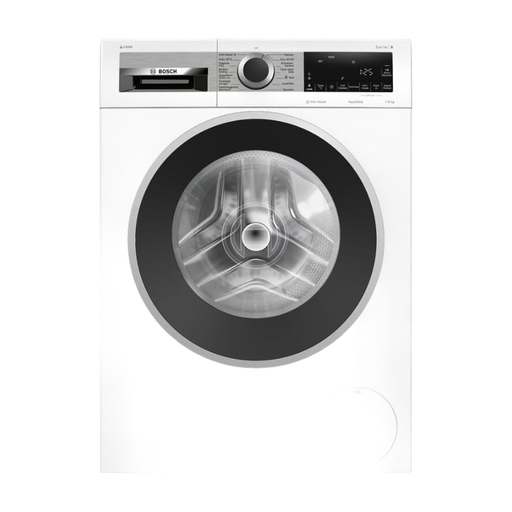
Why this fits their profile: Live in an apartment or simply don't have room for two separate appliances? A washer-dryer combo is the ideal solution. This Bosch machine combines washing and drying in one unit.
This model addresses the fundamental problem of limited space. It's a deliberate choice for a 2-in-1 solution, where you weigh the specifications (9 kg washing, 6 kg drying) against the convenience of a single appliance.
Space-saving: Washing and drying in one. The Iron Assist steam function reduces wrinkles, which saves ironing time.
We have compiled a complete, up-to-date list of products that fully meet these strict selection criteria and local safety regulations.
Consumption depends on the energy label and how often you use the dryer. A modern heat pump dryer with an A rating uses approximately 70-80 kWh per 100 cycles. At an average electricity price, this amounts to a minimal annual cost, a significant saving compared to older condenser dryers.
Yes, maintenance remains important. Even with models featuring a "self-cleaning" condenser, it's wise to periodically check that no lint has been left behind. For models without this feature, you should manually clean the condenser, usually located at the bottom left, a few times a year. The lint filter in the door opening must be emptied after every cycle. This is a small effort that benefits the efficiency and lifespan of your appliance.
A washer-dryer combo is an excellent solution if you have limited space. However, keep in mind that the drying capacity is always lower than the washing capacity. This means you can't immediately dry a full wash load completely. Additionally, the combined wash and dry programs often take longer than with two separate appliances. For convenience and space-saving, however, it's a great choice.
