Vandaag of morgen in huis

Kwaliteit gegarandeerd

Welkomstaanbiedingen ontgrendelen: GRATIS bezorging | Tot 80% korting | Gratis 30 dagen JoyPlus-proefperiode
Download de app
Whether you want to improve your fitness, train for a marathon, or simply gain deeper insights into your health, a heart rate monitor is a valuable tool. But the market is saturated with options: a wrist-based fitness tracker, a chest strap for workouts, or even a smart ring. Which one is right for you?
This article will help you understand the differences. We'll cover the key considerations and highlight several popular choices, so you can find a model that aligns with your goals and lifestyle.
Before you buy a heart rate monitor, it's wise to consider a few key points. Your personal preferences and training goals will largely determine the right choice.
The most important question is often how precise the measurement needs to be.
fitness tracker with a heart rate monitor or sports watch uses LED lights to measure blood flow in your wrist. For most daily activities and endurance training, this is sufficiently accurate. However, during strength training or fast intervals, a slight delay or deviation can sometimes occur.Therefore, an accurate heart rate monitor depends on your activity. For the dedicated athlete who trains by data, a chest strap is often the preferred choice. For all-around insights, a wrist-based monitor is typically fine.
How and when do you want to wear the device?
smart ring is designed to be worn day and night. They track not only your heart rate during exercise but also at rest, during sleep, and throughout the day. This provides a more complete picture of your overall health and recovery. A ring is the most discreet option here.Modern heart rate monitors are more than just a simple meter. Check for compatibility with other devices and apps. Many models connect via Bluetooth or ANT+, allowing you to pair them with your smartphone, bike computer, or gym equipment. Also, consider what extra features are important to you: GPS for running routes, sleep analysis, stress tracking, or step counters.
Based on functionality and use case, we've highlighted a few interesting options for you.
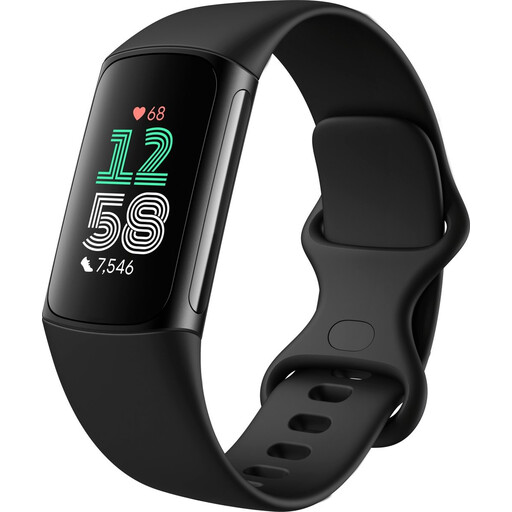
Why It Stands Out The Fitbit Charge 6 is a versatile fitness tracker that combines health monitoring with useful Google features. It's an all-in-one solution for those who want to track their daily activity, sleep, and workouts without needing multiple devices.
Pros
Who Is It For? For the all-around athlete and the health-conscious user looking for a single, comfortable device for both daily use and athletic performance.
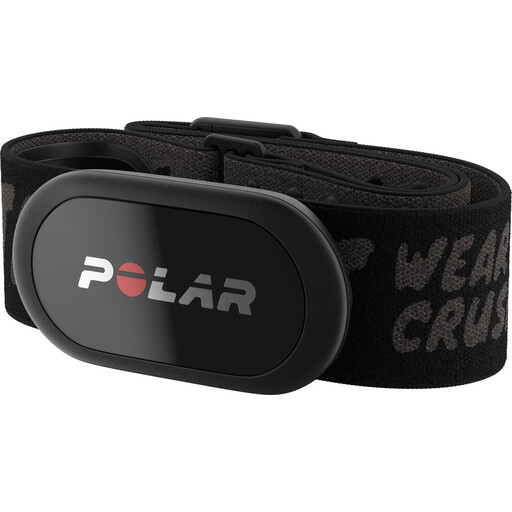
Why It Stands Out When it comes to sheer accuracy, the Polar H10 is a highly acclaimed choice. This chest strap heart rate monitor is designed for athletes who need reliable, real-time data to optimise their training.
Pros
Who Is It For? For serious athletes, competitors, and anyone who trains based on heart rate zones and demands the most precise measurements during intense workouts.
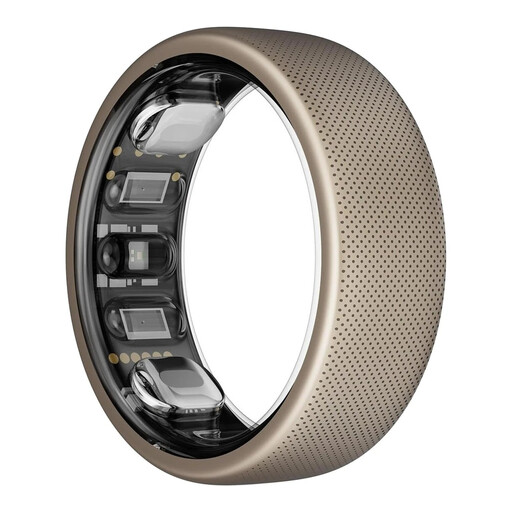
Why It Stands Out The Amazfit Helio Ring is a new approach to health monitoring. This smart ring, which is gaining significant traction, focuses on comfort and data, without a screen. It's designed for 24/7 wear, with a strong emphasis on sleep and recovery analysis.
Pros
Who Is It For? For the data-driven user who is primarily interested in sleep, stress, and recovery. Also ideal for people who don't want to wear a watch but still want to monitor their health.
View the Amazfit Helio Ring (Size 8)
Didn't find your perfect match? The world of wearables is vast, and there are many more possibilities, from simple pedometers to advanced sports watches with extensive maps and training analytics.
Discover all our activity trackers
1. What is more accurate: a wrist-based heart rate monitor or a chest strap? Generally, a chest strap provides a more accurate measurement. It measures the electrical signals of the heart (ECG), which is more direct and less susceptible to motion artifacts. A wrist-based monitor (optical) is accurate enough for most people and activities but can be slightly less precise during rapid changes in effort or certain sports (like strength training).
2. Can I use a heart rate monitor without a smartphone? Yes, some models allow this. The Polar H10, for example, has internal memory to store one workout, which you can sync later. Fitness trackers like the Fitbit Charge 6 can also record workouts without a phone nearby (especially with built-in GPS), and the data will sync once a connection is re-established.
3. Do I need a subscription for a heart rate monitor? It depends on the brand and its features. For basic functions like heart rate monitoring and tracking workouts, a subscription is usually not required. Some brands, like Fitbit, offer an optional Premium subscription for more in-depth analysis, personalised insights, and guided programs. The Amazfit Helio Ring currently offers its premium app features to ring users at no extra cost. Always check the product information to see which features are included.