
Vandaag of morgen in huis

Kwaliteit gegarandeerd

Welkomstaanbiedingen ontgrendelen: GRATIS bezorging | Tot 80% korting | Gratis 30 dagen JoyPlus-proefperiode
Download de app
When looking for healthy snacks with no added sugar, you quickly come across terms such as “sugar-free”, “low GI” and “high protein” on packaging. However, these words do not tell the whole story. A snack may contain little sugar but still be high in carbohydrates, fat or sweeteners. “No added sugar” also does not automatically mean that a product is low in calories.
That is why the Joybuy Product Recommendation Officer recommends focusing mainly on verifiable information: the nutrition table, ingredients list, serving size and when you plan to eat the snack.
Products containing maltitol or other polyols may list 0 grams of sugar on the label while still providing carbohydrates and calories. Some products also carry a warning that excessive consumption may have a laxative effect. So do not just check the line for “of which sugars”; also look at the total amount of carbohydrates and polyols.
For example, a muesli bar with no added sugar may contain chocolate, peanuts, milk ingredients and sweeteners. That is not necessarily a problem, but it is important for people with allergies or specific dietary preferences. “Natural”, “fit” and “light” are no substitute for a complete ingredients list.
With protein bars, snack boxes and Japanese snacks, you may sometimes be paying for a large number of small portions. Compare the price per bar, sachet or 100 grams instead. Individual packaging is convenient for eating on the go, but it can increase the price per serving. Also check the best-before date when buying in bulk.
For healthy snacks, the combination of these three values is relevant:
A snack labelled “0 grams of sugar” is therefore not automatically suitable for every dietary goal.
People who exercise often look for high-protein snacks, while others are mainly searching for something practical and filling. Compare the amount of protein per serving rather than relying solely on the “high protein” claim. A protein bar may also contain polyols, milk ingredients or collagen.
High-fibre snacks also deserve attention. Check how much fibre they actually contain per 100 grams or per serving. Wholegrain cereals, oats and bran can contribute to the fibre content, but the product will often contain other ingredients as well.
In the European Union, major allergens must be clearly indicated in the ingredients list. Look out in particular for milk, cereals containing gluten, peanuts, nuts, soya, eggs and sesame. The six products below contain various allergens; always read the current label before placing your order.
Also compare the nutritional values per serving. A 20-gram bar and a 100-gram biscuit cannot be compared directly.
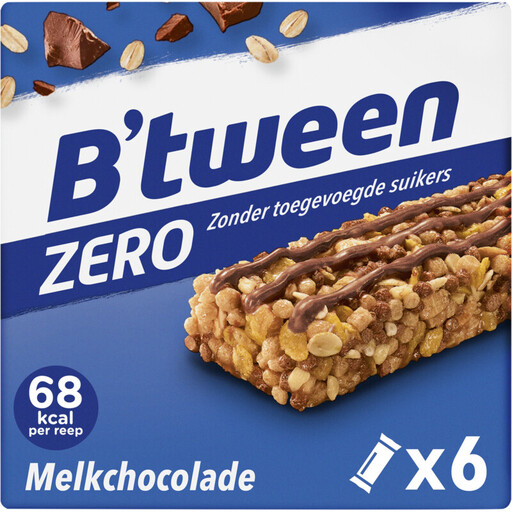
Why it suits this profile: Individually wrapped bars are easy to take to work, school or an appointment. The product information states that each bar contains 68 kcal and that there is 1.5 g of sugar per 100 g.
Alongside sugars, the nutrition information lists 42 g of polyols and 70 g of carbohydrates per 100 g. This shows that “no added sugar” is not the same as low carbohydrate.
6 pieces, oats and wholegrain cereals, 5.3 g of fibre and 7.3 g of protein per 100 g. Contains milk, peanuts and gluten.
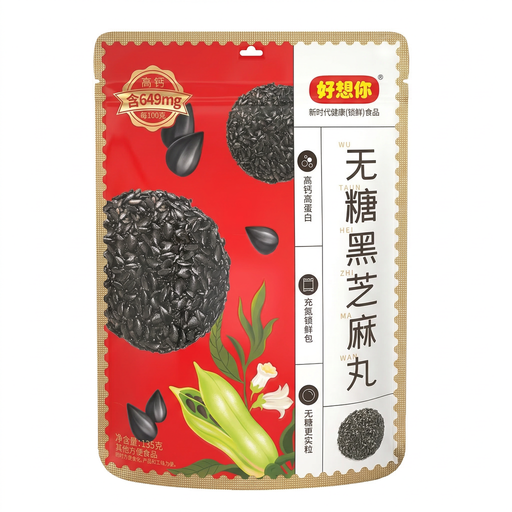
Why it suits this profile: This snack offers a different texture from bars and, according to the product information, consists of at least 60% black sesame. The portions are individually wrapped.
The label states 0 g of sugar per 100 g, but also 573 kcal and 44.5 g of fat per 100 g. This keeps the energy content visible alongside the sugar figures.
135 g with 17–18 individual portions, 13.4 g of protein per 100 g and no salt listed. Contains sesame.
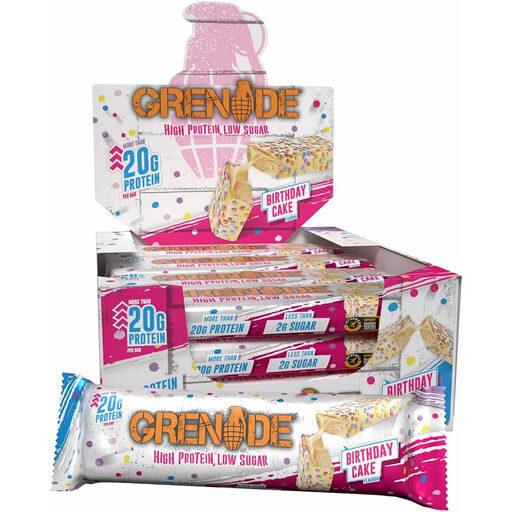
Why it suits this profile: The box contains 12 bars of 60 g and is aimed at people who want a reliable supply of protein bars for work, travel or exercise.
The product description states that each bar contains 20 g of protein and 1.6 g of sugar. However, check the complete ingredients list: the bar contains milk, soya and polyols.
20 g of protein per bar, 12 pieces per box and, according to the product information, gluten-free. The label also states that it is high in fibre.
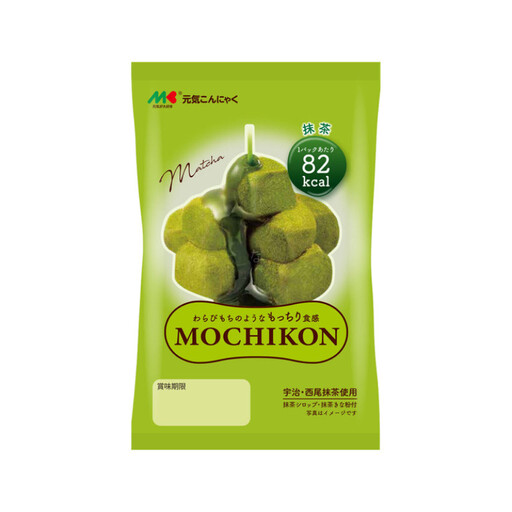
Why it suits this profile: This Japanese snack combines matcha with konjac mochi, making it ideal for anyone looking for a soft, sweet snack that is different from bars and biscuits.
The product information states 82 kcal and 5 g of sugar per 100 g. It is therefore not sugar-free, despite being described as low carbohydrate.
100 g pack, 0.5 g of fat and 16 g of carbohydrates per 100 g. Contains soya; store the product according to the packaging instructions.
According to the product information, the white chocolate version Hero B'Tween Muesli Bar Zero White Chocolate contains 1.7 g of sugar, 5 g of fibre and 7.2 g of protein per 100 g. The bar contains milk, peanuts, gluten and sweeteners. Also check the serving size and the warning about excessive consumption.
For anyone mainly looking for biscuits, Panpan Low GI Sugar-Free Oat High Fiber Biscuits is an option worth considering. The packaging states 11.7 g of sugar, 58.3 g of carbohydrates and 10.6 g of protein per 100 g. The term “low GI” should therefore be read alongside the complete nutrition table; according to the product information, maltitol is used instead of sucrose.
We have compiled a complete, up-to-date list of products that fully meet these strict selection criteria and the applicable European safety regulations.
No. “No added sugar” means that, according to the product information, no extra sugar has been added to the recipe. The product may still contain naturally occurring sugars. Also check the “of which sugars” line per 100 grams and per serving.
Individually wrapped muesli bars and protein bars are practical for eating on the go, at the office or on the train. Pay attention to temperature and storage, particularly with bars containing chocolate. If a product contains sweeteners, do not automatically eat several portions at once.
Shelf life varies from product to product. The valid date is shown on the packaging. As a general rule, store snacks in a cool, dry place away from direct sunlight and moisture. Once opened, follow the storage instructions on the label and consume the product as directed.
