
Vandaag of morgen in huis

Kwaliteit gegarandeerd

Welkomstaanbiedingen ontgrendelen: GRATIS bezorging | Tot 80% korting | Gratis 30 dagen JoyPlus-proefperiode
Download de app
Buying snacks may seem straightforward, but attractive packaging doesn’t always tell the whole story. A bar labelled “protein”, “organic” or “no added sugar” may still contain plenty of carbohydrates, allergens or calories. Portion sizes are often overlooked too.
For families, sportspeople and anyone who’s often on the go, making a good choice is about more than taste. Check the ingredients, nutritional values, allergens, portion packaging and shelf life. That way, you can avoid buying a large pack that doesn’t suit when you’ll be eating it or your diet.
“Source of fibre”, “high in protein” and “less sugar” don’t give you the full nutritional picture. Always check the table per 100g and, if provided, per portion. A product may contain relatively high levels of sugar per 100g, even if the portion looks small. Equally, a large portion can add up more than you realise.
For claims about benefits or nutritional value, check the packaging and official product information. Brands may state, for example, that fibre, protein or minerals play a particular role, but that doesn’t automatically make a snack right for everyone.
Dried fruit, dates, raisins and agave syrup may be used in organic snacks, but they still contain sugars naturally or through added ingredients. Check the order of the ingredients and the nutritional information. With a nut bar, fat and calories also matter, even if the product has only a few ingredients.
Nuts, peanuts, milk, soya, cereals containing gluten and sesame are common ingredients in snacks. Check both “contains” and “may contain” statements. Age labelling is also important for young children. Baby snacks from 12 months are not suitable for younger children. Supervise your child while they eat and follow the warnings on the packaging.
Individually wrapped portions are handy for snacks on the go. They’re easier to keep sealed in a bag and help you judge how much you’re eating. For example, Snelle Jelle Breakfast Cake Less Sugar-Free comes in five individually wrapped bars of 50g each. The regular Snelle Jelle Gingerbread Natural contains five 65g portions.
For home use, a larger pack may offer better value, such as a bag of nuts and seeds or a large pack of granola. Just consider how you’ll store it and how quickly you’ll eat it.
Ingredients are listed in descending order by weight. Bites We Love Chewy Oat Bars Chocolate lists gluten-free wholegrain oats, fibre, sunflower seed butter, cocoa and seeds, among other ingredients. The product information gives a 30g portion containing 115 kcal, 8.6g of fibre and 2.7g of protein. Check the allergen information too: the product states that it contains oats.
If you’re looking for protein bars, don’t just focus on the protein percentage. According to the product information, LiGA Protein Bars contain milk, peanuts, hazelnuts, soya and cereals containing gluten, among other ingredients. This may make them unsuitable for people with certain allergies, even if they’re a good fit for a high-protein snack.
Many snacks keep well at room temperature when unopened, but should be stored in a cool, dry place away from direct sunlight. Seal the packaging tightly after opening. When ordering snacks online, always check the use-by or best-before information on the packaging as soon as your product arrives. Don’t use a product if its packaging is damaged.
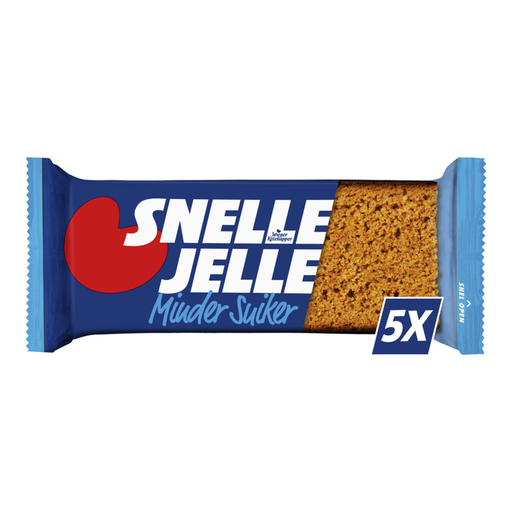
Why it suits this profile: The five individually wrapped bars are handy for school, work or a quick break on the go. The portions make it easy to compare and share them out.
The “less sugar” claim doesn’t replace the nutritional information table. It lists 24g of sugars per 100g, so check the 50g portion before you order.
Five individual portions, 50g per bar and, according to the product information, 8.1g of fibre per 100g.
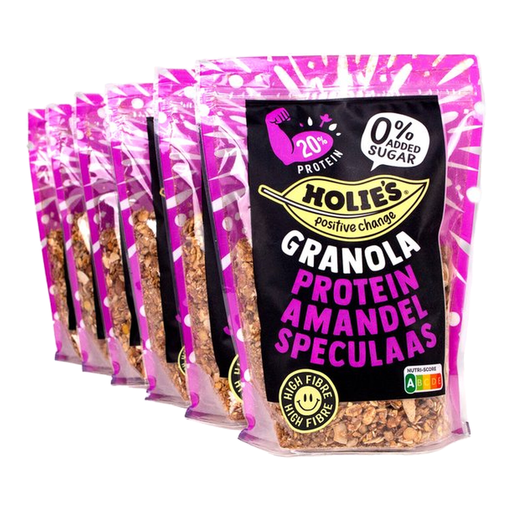
Why it suits this profile: The bulk pack is a good fit for households that regularly have granola for breakfast or as a planned snack. The speculaas spices give it a distinctive, familiar flavour.
“0% added sugar” doesn’t mean the product is low in energy. The product information lists 462 kcal and 27g of fat per 100g, so portion it carefully.
According to the product information, this variety contains 20g of protein and 14g of fibre per 100g. It contains oats, barley, spelt, peanuts, almonds and soya, among other ingredients.
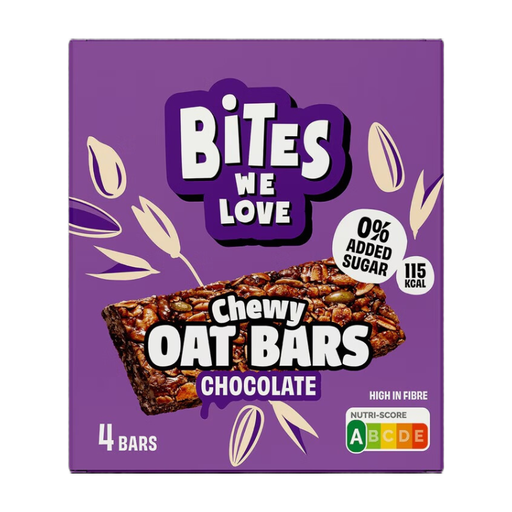
Why it suits this profile: A handy choice if you’re after a compact oat bar with chocolate and seeds for work, travel or an active day.
Don’t judge the bar on the “gluten-free” claim alone: the product information also lists oats as an allergen. Check the packaging if you have an allergy or intolerance.
Four bars per pack, 115 kcal per 30g portion and, according to the product information, 8.6g of fibre per portion.
We’ve put together a full, up-to-date list of products that meet these strict selection criteria and the applicable European safety regulations.
Choose individually wrapped bars, oat bars, fruit bars or small portions of nuts. They’re easy to carry and stay sealed until you’re ready to eat them. In warm weather, check the storage advice, especially for products with chocolate or a soft filling.
No. Nuts, seeds, granola and bars containing fibre or protein can provide nutrients, but they can also be relatively high in energy. Compare the values per 100g and per portion. “Healthy” isn’t a substitute for comparing specific nutritional information.
Check the age guidance, ingredients, allergens and warnings. De Kleine Keuken states that various products are suitable from 12 months. Only give these snacks as directed on the packaging, make sure your child is sitting upright and supervise them while they eat.
