
Vandaag of morgen in huis

Kwaliteit gegarandeerd

Welkomstaanbiedingen ontgrendelen: GRATIS bezorging | Tot 80% korting | Gratis 30 dagen JoyPlus-proefperiode
Download de app
A packet labelled “organic”, “sugar-free” or “with added vitamins” sounds appealing, but it doesn’t always tell you the full story. When it comes to healthy snacks and vitamins for children, the right choice depends largely on age, portion size, ingredients and allergens. This applies to baby snacks from 6 months onwards, as well as muesli, children’s vitamins and treats for older kids.
A product may not add sugar to the ingredients list, yet still contain natural sugars. Dried fruit, fruit juice concentrate and syrups can all push up the sugar content. So always check the nutritional information per 100g and per serving.
For example, the Organix Bio Melty Veggie Sticks contain 3.6g of sugar per 100g according to the product information. The Sore Baby Corn Fingers contain 1.5g of sugar per 100g and state no added sugars. That makes them a different consideration to a sweet children’s biscuit.
Children’s vitamins and multivitamins for kids are food supplements. They are not a substitute for a varied diet. What’s more, dosage and age recommendations differ from product to product. A gummy suitable from age 5 is not automatically right for a toddler.
Also check whether your child is already taking other supplements. If they are on medication, have a medical condition, or you are unsure about the dosage, it’s wise to speak to your GP, pharmacist or health visitor.
Organic baby snacks can still contain carbohydrates, oil or natural flavourings. Likewise, “gluten-free” is not the same as free from all allergens. Nuts, milk, soya and egg are common in muesli and children’s biscuits.
Always check the current packaging. Product formulations can change, and information on a product page may differ from the label.
For babies from 6 months, size, texture and supervision matter more than a long list of nutritional claims. Only give a snack when your child is sitting upright, and supervise them while they eat. The Liga Children’s Biscuits, for instance, state that the biscuits can be crumbled into porridge from 6 months and eaten as a biscuit from 10 months. Always follow the instructions on the packet.
For school-age children, look at small portions, fibre-rich snacks and a combination with fruit, dairy or water. A muesli bar is handy for on the go, but it shouldn’t replace a proper meal every day.
When looking at organic baby snacks and gluten-free children’s snacks, pay attention to:
The B+ Muesli Nuts and Fruit contains 9g of fibre and 10.9g of protein per 100g according to the product information. At the same time, this muesli contains gluten-containing grains, hazelnuts and almonds. The Bolletje Crunchy Muesli Nut Mix states 13g of fibre, 12g of protein and 5g of sugar per 100g, but also contains various nuts and gluten-containing grains.
When comparing children’s vitamins, don’t just look at the number of gummies in a pot. Check:
Lucovitaal Multi+ Vitamins 60 Gummies for Kids is intended for children from age 5, according to the product information. One gummy per day provides vitamin C, D3, B vitamins, vitamin E, K and biotin, among others. The product is described as sugar-free and vegetarian; maltitol can have a laxative effect if consumed in excess.
Davitamon Junior 3–12 Multivitamin Gummies Strawberry contains one gummy per day, with vitamin C, D3, B vitamins and zinc, according to the product specification. These gummies contain beef gelatine. That detail is relevant for families making vegetarian or halal food choices.
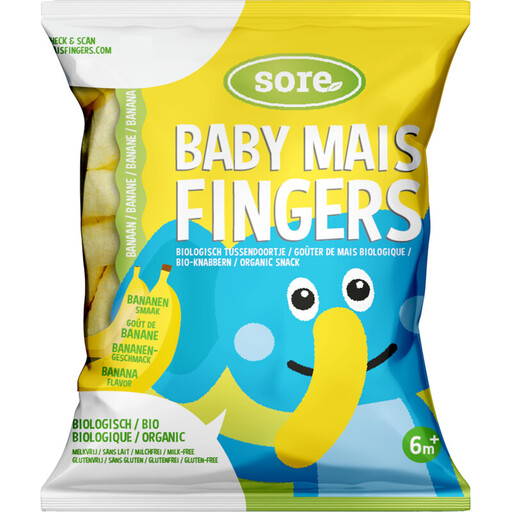
Why this fits the profile: A simple baby snack from 6 months with a short ingredients list and a small pack to try first.
The product information states 99% organic corn semolina, no added sugar or salt and 1.5g of sugar per 100g. Check the packaging before use.
Organic, with no added ingredients according to the product description, and stated vitamin B1 content.
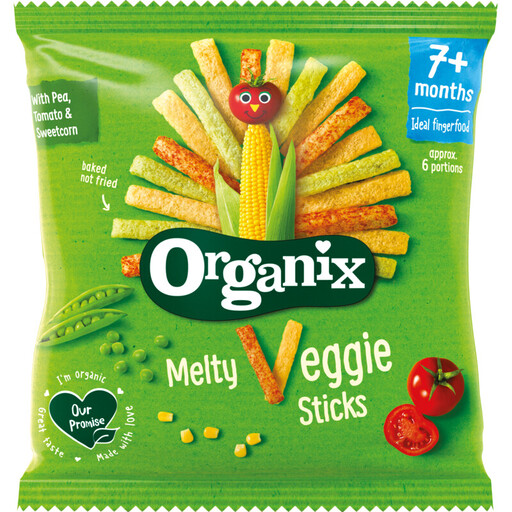
Why this fits the profile: For parents who want to offer variety in flavour and texture with tomato, pea and corn.
The ingredients and nutritional values are clearly stated: 3.6g sugar, 3.6g fibre and 0.01g salt per 100g.
Organic grain snack with three vegetable flavours, 2.3g portions and, according to the product information, none of the 14 major EU allergens.
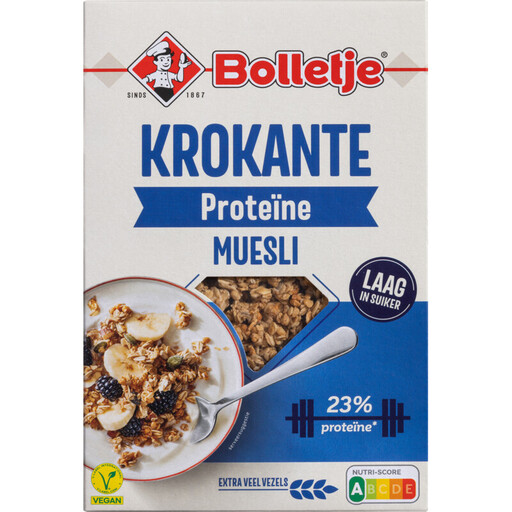
Why this fits the profile: A practical choice for adults and athletes who want muesli or a protein snack at breakfast or after exercise.
The product information not only states 23% protein, but also lists oats, soya, wheat, almond and possible traces of milk and sesame.
23g protein and 11g fibre per 100g, with seeds and nuts. Not suitable if you need gluten-free or nut-free food.
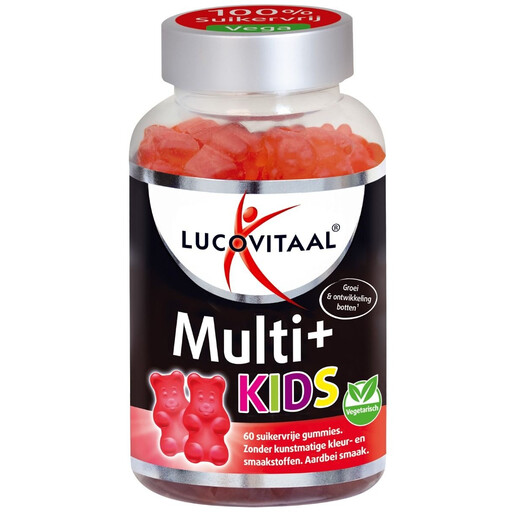
Why this fits the profile: For families looking for a simple daily supplement for children aged 5 and over, with clear dosage guidance.
The packaging states one gummy per day, a minimum age of 5 years and a warning against excessive use.
60 gummies, strawberry flavour and a composition including vitamin C, D3, B12, E and K. According to the product information, sugar-free and vegetarian.
We’ve put together a full, up-to-date list of products that fully meet these strict selection criteria and comply with current European safety regulations.
Choose a small portion that suits their age. Think of a simple baby snack from 6 months, fruit, natural yoghurt, wholegrain products or a muesli with little added sugar. When looking at packaged children’s snacks, check the fibre, sugar, salt and allergens. A product labelled “high in fibre” should always be checked against the nutritional information table.
That depends on age, diet and individual circumstances. Gummies are supplements and not a replacement for a varied diet. Follow the recommended dosage and don’t simply combine several vitamin products. If you’re unsure about children’s vitamins, discuss it with a healthcare professional.
Store dry snacks in a cool, dry place and keep them well sealed. Supplements should be kept out of reach of young children, even if they look like sweets. Check the shelf life after opening and follow the storage advice on the packaging. For products containing nuts, milk or gluten, extra care is needed to avoid cross-contamination.
