
Vandaag of morgen in huis

Kwaliteit gegarandeerd

Welkomstaanbiedingen ontgrendelen: GRATIS bezorging | Tot 80% korting | Gratis 30 dagen JoyPlus-proefperiode
Download de app
Finding healthy snacks might seem straightforward, but packaging doesn't always tell the full story. Terms like "natural", "organic" and "no added sugar" can sound appealing, while the nutritional value, portion size or allergen information may not suit your situation.
Whether you're looking for healthy snacks for home, need snacks on the go, or are searching for something suitable for a child from 12 months old: always compare the ingredients list, nutritional values and usage instructions.
A product with no added sugars can still contain naturally occurring sugars from fruit. You'll see this with fruit purées, dried fruit and raisins. So check both the ingredients section and the nutritional value under "of which sugars".
According to the product information, Organix Squeezable Fruits Oat, Apricot & Banana states no added sugar. Per 100 grams, the product contains 6.5 grams of sugars. These come from the ingredients, such as apricot and banana.
A vegan snack can still be high in sugar. According to the product information, Fruittella Mini Vegan contains none of the 14 major EU allergens, but it does contain 55 grams of sugars per 100 grams. That makes it a confectionery product, not automatically a nutritious everyday snack.
Gluten-free snacks also need attention. Check whether the packaging actually has a suitable allergen declaration or gluten-free label. The product information for some snacks can be contradictory; when in doubt, the physical label is what counts.
Organic snacks are made with ingredients from organic farming when stated on the product. However, that doesn't directly tell you how many calories, fats or sugars a portion contains. An organic nut bar can be energy-dense, while a fruit pouch forms a smaller portion.
So compare products per 100 grams and per eating occasion. A 25-gram muesli bar isn't directly comparable to a 350-gram bag of granola.
Ingredients are listed in descending order by quantity. If sugar, syrup or dried fruit appears near the top, it forms a significant part of the recipe. With nut bars, nut mixes and granola, pay extra attention to:
A product suitable for adults is not automatically suitable for young children. With baby food from 12 months, follow the age indication, preparation instructions and warnings on the packaging.
Use the table per 100 grams to fairly compare muesli, granola, bars and wafers. Look particularly at:
A high amount of fibre or protein can be a practical criterion for some adults, but it doesn't replace a varied diet. Leev Organic Rosemary Lentil Wafers, for example, states 22.8 grams of protein and 4.6 grams of fibre per 100 grams, but also 1.6 grams of salt. These are verifiable facts to consider in your choice.
For on the go, individual packs or resealable bags are handy. Pay attention to the content per portion and the shelf life after opening. A pouch is practical, but once opened, according to the product information for Organix, it must be stored in the fridge for a maximum of one day.
With dry products such as granola and nut mix, sealing them well is important. Store them in a cool, dry place, out of direct sunlight and out of reach of young children.
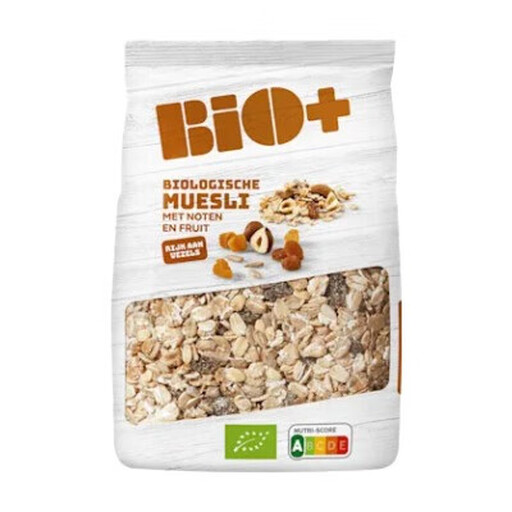
Why this suits the profile: The 450-gram bag is suitable for multiple breakfast or snack occasions with milk, yoghurt or as a topping.
The nutritional information states 0 grams of added sugars. Do check the total sugar content of 20.8 grams per 100 grams.
Contains 9 grams of fibre and 10.9 grams of protein per 100 grams according to the product information; does contain gluten and nuts.
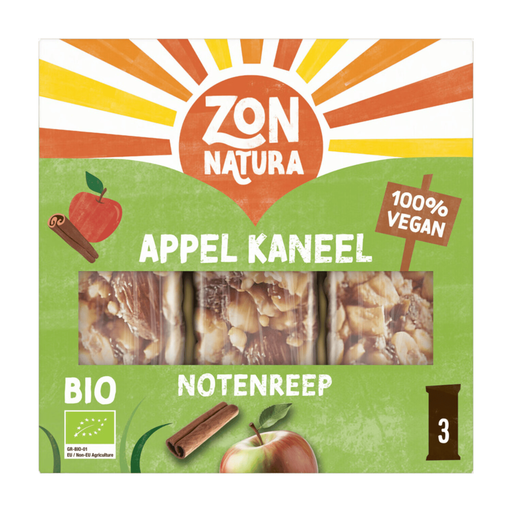
Why this suits the profile: Three individually wrapped bars are easy to take to work, school or on a walk.
The ingredients and allergens are clearly stated. The bar is sweetened with agave syrup, so "no added sugar" does not apply here.
Organic ingredients according to the product information; 25 grams per bar and 7.1 grams of fibre per 100 grams.
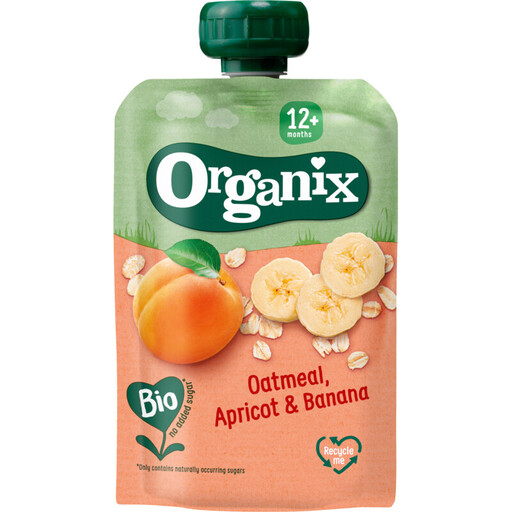
Why this suits the profile: The portion pack is aimed at young children from 12 months and fits easily into a changing bag or day rucksack.
The age indication, preparation instructions and presence of gluten are stated according to the product information. Check the packaging before use.
Six 100-gram pouches; according to the product information, no added sugars and suitable from 12 months.
We've put together a full, up-to-date list of products that fully meet these strict selection criteria and comply with current European safety regulations.
For breakfast or with yoghurt, muesli and granola are practical. With granola, check whether syrups, sugar or chocolate have been added. For a busy workday, a small nut mix, nut bar or lentil wafer is easy to portion. If you have allergies, choose only products with clear, complete allergen information.
For children from 12 months, fruit pouches or soft fruit snacks can be handy. Use them according to the age indication and don't leave a child unattended while eating. For on the go, individually wrapped bars are practical, but remember that a portion doesn't automatically equal a balanced meal.
These are products to which no sugar, syrup or similar sweetener has been added, according to the ingredients list. They can still contain natural sugars from fruit or dried fruit. So always check the nutritional value per 100 grams and the portion size.
Not every nut mix is suitable for young children. Whole nuts can be a choking hazard. Check the age recommendations and for young children, only use a form and portion that suits their developmental stage. Also watch out for peanuts and other allergens.
Store dry snacks sealed, in a cool, dry place. An opened fruit pouch often needs to be refrigerated according to the product instructions and used within a limited time. Always check the best-before date, packaging and instructions on the label.
