
Vandaag of morgen in huis

Kwaliteit gegarandeerd

Welkomstaanbiedingen ontgrendelen: GRATIS bezorging | Tot 80% korting | Gratis 30 dagen JoyPlus-proefperiode
Download de app
Healthy snacks may seem easy to choose at first glance. However, packaging terms such as “0% added sugar”, “protein” or “gluten-free” can sometimes make comparisons difficult. A snack may contain little added sugar, but still provide a lot of energy or salt. Vegetarian snacks are not automatically suitable for every allergy or dietary preference either.
As a Joybuy Product Recommendation Officer, I filter product information according to practical criteria: ingredients, nutritional values, allergens, serving size and ease of use. This helps you quickly see which muesli, granola, nut mix or high-protein snack best suits your daily routine.
The label may state that a product contains no added sugars. This does not mean that the product contains no sugars at all. Dried fruit, such as raisins or apricots, naturally contains sugar. So always check the table showing carbohydrates of which sugars as well as the ingredients list.
For example, B+ Muesli Nuts and Fruit states 0 g added sugars per 100 grams, but according to the nutritional table it contains 20.8 g of sugars. This is consistent with the presence of dried grapes and apricot.
Protein snacks and high-protein snacks can be useful after exercise or when you are out and about. However, also look at the amount of salt, fat, fibre and allergens. A product containing 20 or 23 g of protein per 100 grams is not automatically suitable for everyone.
With granola, the serving size also matters. Nutritional values are usually given per 100 grams, while in practice you often use 30 to 50 grams. So calculate the nutritional value for your actual serving.
A product name or marketing text is no substitute for the full ingredients list. For allergies, the allergen information is particularly important. Also look out for “may contain” warnings.
You can identify organic snacks by the organic designation and the relevant certification mark on the packaging. Labels or product information may vary between different markets. Therefore, check the packaging when your order arrives.
Ingredients are listed in descending order by weight. If oats, wholegrain cereals, soya or nuts appear near the top, they make up a significant part of the product. With muesli and granola, look out for:
A gluten-free granola must be clearly labelled as gluten-free. Standard oats, spelt, wheat and barley are not suitable for a gluten-free diet. If you have severe allergies, it is advisable to follow the current packaging and warnings.
Use the per-100-gram figures as a consistent basis for comparison. Here are some examples from the range:
The duplicate nutritional information shown on some product pages demonstrates why it is important to check the current packaging before buying.
A large bag of granola or nut mix may seem good value, but only if you keep the product fresh and measure out your portions. Many nut mixes have a recommended serving size of around 30 g. Once opened, the packaging should be sealed properly and stored in a cool, dry place.
For ready-to-eat vegetarian snacks, the format is convenient, but check whether refrigeration is required after opening. Some products must be eaten immediately after opening. Also look out for damaged packaging and the best-before date.
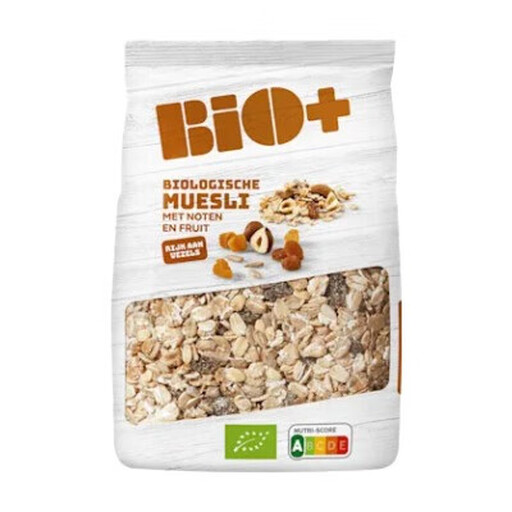
Why it suits this profile: A versatile base for breakfast, yoghurt or a smoothie bowl. The product information states that it contains organic ingredients and 0 g added sugars per 100 grams.
The nutritional values and ingredients are clearly listed. The 20.8 g of sugars per 100 g makes it clear that “no added sugar” does not mean sugar-free.
9 g of fibre and 10.9 g of protein per 100 g; suitable for combining with milk or yoghurt.
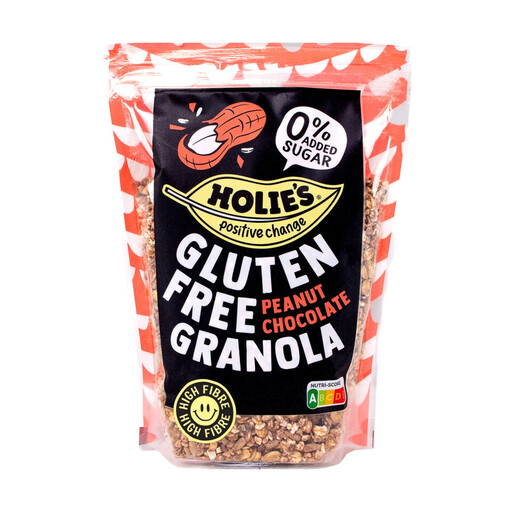
Why it suits this profile: A choice for anyone looking for gluten-free granola with a short, easy-to-understand ingredients list. The product information states 0% added sugar.
The table shows 4 g of sugars and the ingredients do not list added sugar. However, always check the current packaging if you have an allergy.
15 g of protein and 14 g of fibre per 100 g; contains oats and peanuts as listed allergens.
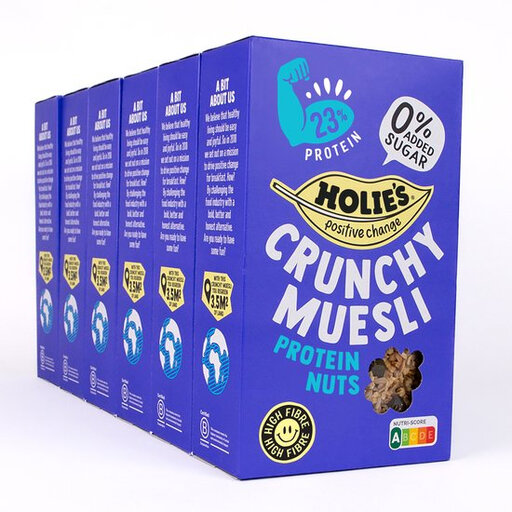
Why it suits this profile: For athletes or households that regularly use protein snacks and high-protein breakfast options. The pack contains six 400-gram bags.
The protein value is shown alongside sugar, fat and fibre. This means you compare the complete nutritional profile, rather than focusing only on the eye-catching protein percentage.
The product information states 22 to 23 g of protein and 19 to 21 g of fibre per 100 g; contains wheat, oats and nuts, among other ingredients.

Why it suits this profile: A ready-to-eat, spicy vegetarian snack for when you are out and about, with rice or as an addition to noodles.
Alongside the protein content, the product information also shows 3.1 g of salt per 100 g. This helps you assess a savoury snack on more than just its protein content.
20 g of protein per 100 g; 62 g serving and ready to eat. Contains soya, wheat and sesame.
We have put together a complete, up-to-date list of products that fully meet these strict selection criteria and the applicable European safety regulations.
Choose individually wrapped snack bars, a small nut mix or a ready-to-eat vegetarian snack. Check the serving size, allergens and storage instructions beforehand. Products that need to be refrigerated after opening are less practical for a long commute or train journey.
No. Muesli usually consists of a mix of cereal flakes, nuts, seeds and dried fruit. Granola is often baked, giving it a crunchy texture. For both, check the oil, sugar, fibre and serving size. Granola with no added sugar may still contain naturally occurring sugars.
Compare the protein content per 100 grams and per actual serving. High-protein granola, protein snacks, nuts and vegetarian snacks made with soya or wheat can all be suitable options. At the same time, pay attention to salt, fat and allergens. According to the brands’ own product information, nutritional values may vary between products, so always use the current label as your reference.
