
Vandaag of morgen in huis

Kwaliteit gegarandeerd

Welkomstaanbiedingen ontgrendelen: GRATIS bezorging | Tot 80% korting | Gratis 30 dagen JoyPlus-proefperiode
Download de app
When looking for healthy snacks with no added sugar, you’ll quickly come across terms such as “zero sugar”, “low carb” and “high protein”. However, these words don’t tell the whole story. A snack with no added sugar can still contain sugars that occur naturally. A product that’s low in carbohydrates may still be relatively high in fat or calories. And “high protein” says nothing about allergens, sweeteners or portion size.
The following points will help you look beyond marketing terms and check the nutrition table.
On a label, “no added sugars” and “sugar-free” can mean different things. Muesli with grains and fruit, for example, may still contain natural sugars. So always check the of which sugars figure per 100 g and per portion.
Sweeteners are worth checking, too. Maltitol and other polyols can make a product taste sweeter, but consuming a lot can have a laxative effect for some people. Panpan Low GI Sugar-Free Oat High Fiber Biscuits, for example, contain maltitol and list 11.7 g of sugars per 100 g. So “sugar-free” doesn’t mean that the product contains no sugars.
Nuts, seeds, oil and high-fibre ingredients can lower the carbohydrate content, but they may also increase the fat and energy content. According to the product information, Holie's Granola Low Carb Crunch contains 18 g of carbohydrates, 33 g of fat and 490 kcal per 100 g. It may suit a carb-conscious choice, but it’s still important to measure your portion.
So always compare several values:
A multipack can be handy at home or in the office, but check the best-before date and portion size. A box of protein bars may be less appealing if you don’t know whether you’ll like the flavour, or if the sweeteners don’t suit you. An opened bag of granola may also lose its crunch more quickly. Store dry snacks in a cool, dry place in a well-sealed container, and always follow the packaging instructions.
Per-portion information can sometimes look more favourable because the manufacturer has chosen a small portion size. The figures per 100 g make products easier to compare. When choosing low carb snacks, don’t just look at the carbohydrate content; check the fibre content and portion size, too.
Examples from the range:
These figures are product specifications, not a general statement about what constitutes a healthy choice for everyone.
Ingredients are listed in descending order by weight. See whether you prefer wholegrain cereals, nuts, seeds or pulses. Also check whether the product contains palm oil, sweeteners, flavourings or added salt.
For example:
Check for milk, cereals containing gluten, soya, peanuts, nuts, sesame and lupin. According to the product information, Leev Organic Rosemary Lentil Wafers are organic and gluten-free, but list milk and soya as allergens. The Leev crackers contain lupin, egg, milk, sesame and wheat, among other ingredients.
Grenade Carb Killa bars contain milk proteins and bovine collagen. They’re therefore not suitable for vegans, or for everyone avoiding lactose or animal-derived ingredients. Always check the latest label before buying, as ingredients can change.
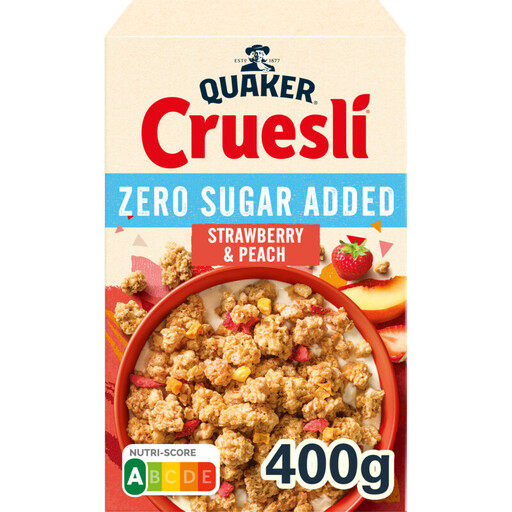
Why it suits this profile: A familiar breakfast and snack option for anyone looking to get started with snacks with no added sugar, without complicated preparation. Enjoy it with yoghurt or a plant-based alternative.
The product information says it contains no added sugars or sweeteners. However, check the 4.4 g of sugars per 100 g and keep an eye on your portion size.
24 g of fibre per 100 g, vegan according to the product information, and suitable for breakfast or on the go.
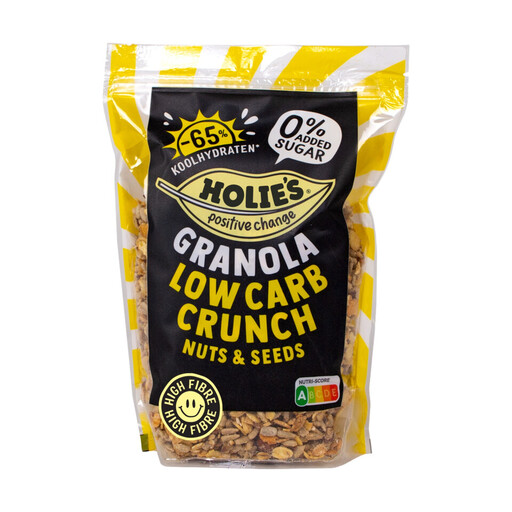
Why it suits this profile: For anyone looking for granola with fewer carbohydrates and happy to factor its higher energy content per 100 g into their portion size.
The nutrition information shows that low carb doesn’t mean low in calories: it contains 490 kcal and 33 g of fat per 100 g.
18 g of carbohydrates, 16 g of fibre and 22 g of protein per 100 g; 0% added sugar according to the product information.
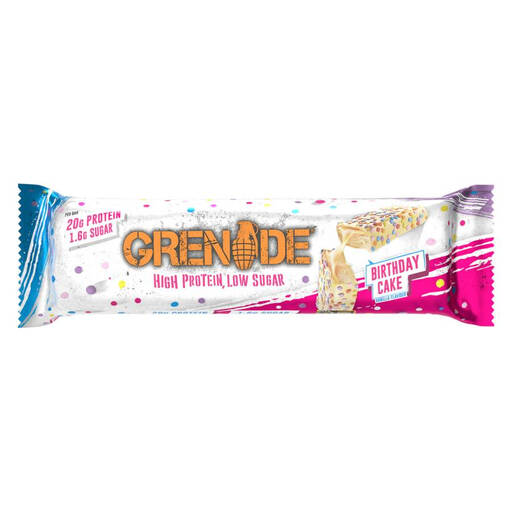
Why it suits this profile: Individually wrapped protein bars are handy for work, travelling or a snack around your workout.
According to the product information, the bars contain more than 20 g of protein and 1.6 g of sugar per bar. They also contain maltitol; excessive consumption may have a laxative effect.
Each individually wrapped bar weighs 60 g, with a high-protein recipe and Informed Sport certification according to the product description.
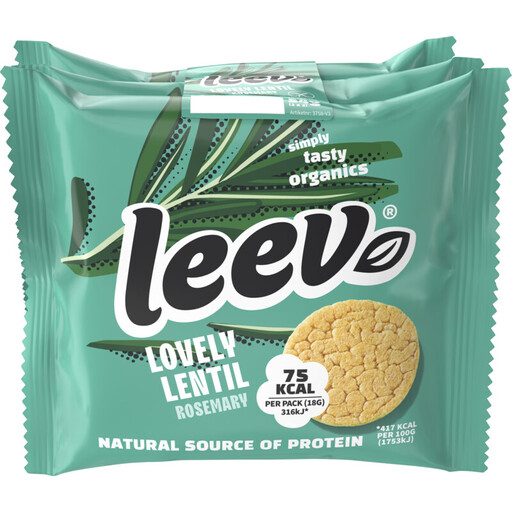
Why it suits this profile: A small savoury pack for on the go, with a herby flavour and a product description that says it’s organic and gluten-free.
The pack weighs 54 g, making it easier to keep track of how much you’re eating. However, note that the nutrition information lists 52.7 g of carbohydrates per 100 g.
22.8 g of protein per 100 g, no added sugar according to the product information, and made with 83% lentil flour.
We’ve put together a complete, up-to-date list of products that meet these strict selection criteria and the applicable European safety regulations.
No. Grains, fruit and milk ingredients can contain sugars naturally. So check the nutrition table and compare the “of which sugars” figure per 100 g. Also check whether sweeteners have been used.
That depends on your personal dietary goals. Compare the carbohydrate content per 100 g and per portion in particular. According to the product information, Holie's Granola Low Carb Crunch and Leev Organic Low-Carb Tomato Oregano Crackers contain fewer carbohydrates than various standard cereal products, but their fat, fibre and protein figures differ considerably.
Store dry products such as granola, crackers and wafers in a cool, dry place out of direct sunlight. Seal the packaging well after opening. Individually wrapped protein bars are handy for on the go. For all products, check the best-before date and storage advice on the latest packaging.
