
Vandaag of morgen in huis

Kwaliteit gegarandeerd

Welkomstaanbiedingen ontgrendelen: GRATIS bezorging | Tot 80% korting | Gratis 30 dagen JoyPlus-proefperiode
Download de app
A packet with words such as high-fibre, sugar-free, organic or low-calorie can quickly seem like a sensible choice. But one eye-catching claim tells you little about the product as a whole. If you’re buying healthy snacks online, it’s worth comparing the label, portion size and allergen information.
Three common pitfalls to watch out for:
The nutritional table per 100g makes products easy to compare. The portion size then tells you what you’ll actually be eating. Pay particular attention to:
For example, a 25g cereal bar may contain few calories per bar, yet still be relatively high in sugar or fat per 100g. Conversely, a large pack of wholegrain crispbread may have a good fibre content, but you’ll need to be mindful of how much you serve yourself at home.
Ingredients are listed in descending order by weight. If sugar, syrup or oil appears near the top, it makes up a significant part of the product. Check the sources of fat, sweeteners and added flavourings too.
For example:
If you have an allergy or intolerance, always follow the information on the full packaging. Check the current allergen information before you order.
Individually wrapped snacks are handy for the office, school or when you’re out and about. They also help you keep to a set portion. Larger packs are often better value for home, but you’ll need to pay more attention to how much you serve yourself.
Useful categories include:
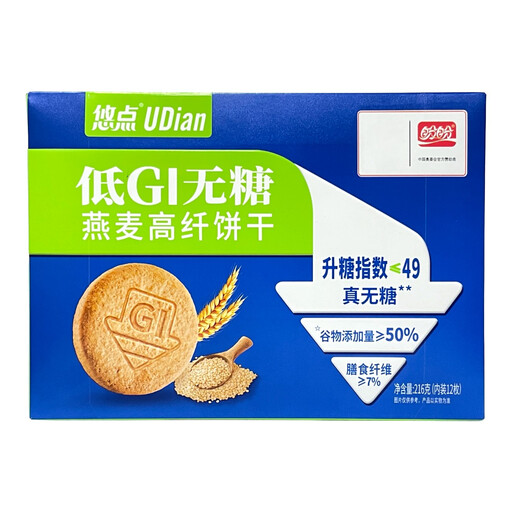
Why it suits this profile: A ready-to-eat biscuit for anyone looking to try high-fibre snacks without buying a wide range of products straight away.
The product information lists maltitol as a sweetener. So check the portion size and nutritional values: “sugar-free” doesn’t mean it contains no carbohydrates.
According to the label, it contains wholemeal flour, oats and wheat bran. The pack weighs 216 grams and the biscuits are ready to eat.

Why it suits this profile: A good choice if you’re looking for a simple wholegrain rye base for breakfast, lunch or a savoury snack.
The ingredients list names 100% wholegrain rye as the main ingredient. This makes it clear what the fibre claim is based on, rather than relying on the front of the packet alone.
According to the product information, this crispbread contains 19 grams of fibre and 0.3 grams of sugar per 100 grams. It does contain rye, barley and gluten.

Why it suits this profile: Handy for fans of spicy Asian snacks who want small packets to take to the office, on the go or when travelling.
The small packets make it easier to keep track of how much you eat. Do keep an eye on the salt: the product information lists 3.9 grams per 100 grams.
The pack contains five 50-gram packets. Per 100 grams, the label lists 70 kilocalories and 6.1 grams of fibre. The product contains soya.
We’ve put together a complete, up-to-date list of products that meet these strict selection criteria and the applicable European safety regulations.
A product that’s low in sugar can still contain a lot of fat. A snack that’s high in fibre can also contain a lot of salt. And a bar with few calories per serving may be less filling than you expect because the portion is small.
Use this quick checklist:
Individually wrapped cereal bars, nut bars and konjac snacks are practical because you don’t need a plate or cutlery. Check the portion size, sugar content and any allergens. A wholegrain cracker can work well on the go if you wrap it carefully, but it can break easily.
No. Sweeteners can replace sugar, but other ingredients such as oil, flour or chocolate still provide energy. So always check the kilocalories per 100g and per biscuit. If the product contains polyols, look out for the warning about excessive consumption too.
Not necessarily. Organic refers to how certain ingredients are produced, while vegan means the product contains no animal-derived ingredients. Neither term on its own gives you a complete picture of fibre, sugar, salt or calories. Compare the nutritional table and ingredients list before you order.
