
Vandaag of morgen in huis

Kwaliteit gegarandeerd

Welkomstaanbiedingen ontgrendelen: GRATIS bezorging | Tot 80% korting | Gratis 30 dagen JoyPlus-proefperiode
Download de app
A snack can look convenient thanks to eye-catching packaging or words like “protein”, “no added sugar” or “organic”. Yet such terms don’t tell the whole story. If you’re looking for healthy snacks for work, school, sport or on the go, it pays to look beyond the front of the packet.
The main pitfalls to watch out for are:
So use the nutrition table and ingredients list as your starting point. The packaging remains the final authority, because recipes and allergen information can change.
The value per 100g lets you compare products with each other. The per-portion value shows what you’re actually eating. That difference matters with bars and biscuits: a product can be high in sugar or fat per 100g, while a small portion is less significant.
Pay particular attention to:
Ingredients are usually listed from largest to smallest quantity. If sugar, glucose syrup or a similar syrup appears near the top, it forms a significant part of the recipe. Also look at the proportion of oats, wholegrain cereals, nuts, pulses or dried fruit.
With organic snacks, also check whether the product is actually labelled as organic and which ingredients come from organic farming. According to the product information, Leev BIO Lentil Waffles consist of 99.5% lentil flour and sea salt; the ingredients marked with an asterisk come from organic farming.
For families, people with allergies and anyone looking for gluten-free snacks, the allergen declaration isn’t optional. Look out for words like “contains” and “may contain traces”. The Leev lentil waffles are described as gluten-free, but they do list soya in the allergen information. So always check the packaging before serving them to someone with an allergy.
The packaging also determines how practical a snack is:
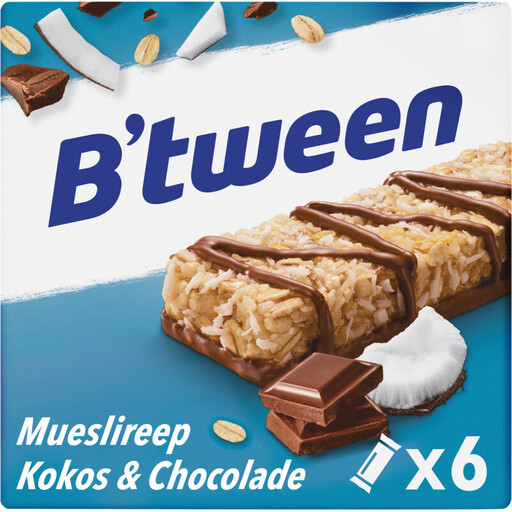
Why this fits the profile: The pack contains 6 individually wrapped bars of 25g each. That makes portioning easy for work, school or on the go.
The fixed portion stops you having to divide a large bag yourself. Do check the stated 28g of sugar and 17g of saturated fat per 100g.
Individually wrapped; contains oats, wheat, barley, coconut and milk chocolate. Not suitable for a gluten-free diet.
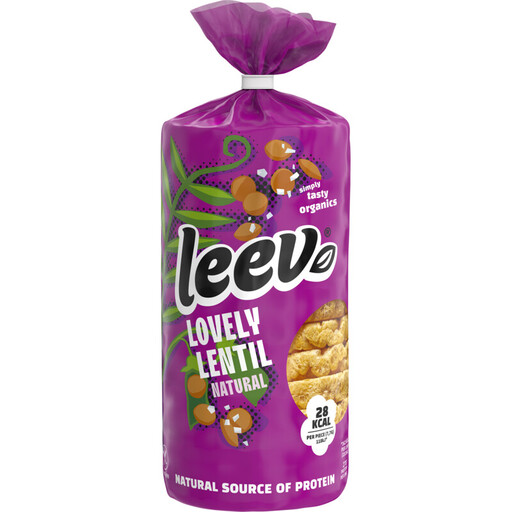
Why this fits the profile: A short ingredients list appeals if you want to avoid marketing jargon and simply know what’s in your snack.
The product information mentions 99.5% lentil flour and sea salt, with no long list of syrups or flavourings. Check the current allergen declaration on the packaging.
Organic; 27.3g protein and 5.4g fibre per 100g; approximately 28 kcal per waffle according to the product information.
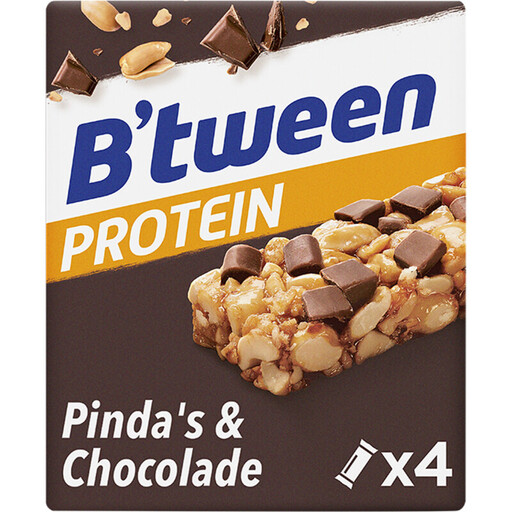
Why this fits the profile: Suits active adults looking for a compact, individually wrapped bar with peanuts for after exercise or on the go.
The protein content isn’t shown in isolation: per 100g, Hero also lists 36g of fat and 20g of sugars. That lets you compare the bar more fairly.
59% roasted peanuts according to the ingredients list; 17g protein and 5.1g fibre per 100g; four bars per pack.
We’ve put together a full, up-to-date list of products that fully meet these strict selection criteria and comply with current European safety regulations.
For snacks on the go, individual bars, waffles or biscuit portions are practical. For a lunch at the office, you could combine lentil waffles with hummus or another savoury topping. If you’re mainly looking for fibre-rich snacks, consider Bolletje cereal bars or Belvita Wholegrain Cookies. According to the product information, Belvita contains 6.2g of fibre per 100g and comes in six portions of four biscuits.
For healthy snacks for children, small portions matter more than a large pack with an appealing character. The JD-Garden BB Bear biscuits are fun-shaped, but according to the product information they contain 513 kcal and 24.7g of fat per 100g. So treat them more as a sweet treat than an everyday staple.
With nut bars and pistachios, watch out for allergens and salt. Nuts provide a hefty energy value: Zonnatura’s organic nut bar contains 528 kcal per 100g, 19g of protein and 7.1g of fibre according to the table. That makes a small portion important.
Choose products with a clear portion size, packaging that won’t easily break, and an ingredients list that matches your goal. Individually wrapped muesli bars, lentil waffles or nut bars are practical. Do check sugar, salt, allergens and the total energy value beforehand.
No. “High in protein” describes just one characteristic. Also compare fat, sugars, fibre, salt and portion size. A bar that’s relatively high in protein can still contain a lot of sugar or energy.
Choose small portions with a simple composition and check for allergens. Wholegrain biscuits or breakfast biscuits can be practical, but look at sugar and fibre. A product with a child-friendly appearance isn’t automatically an everyday snack.
