
Vandaag of morgen in huis

Kwaliteit gegarandeerd

Welkomstaanbiedingen ontgrendelen: GRATIS bezorging | Tot 80% korting | Gratis 30 dagen JoyPlus-proefperiode
Download de app
A snack with words such as “fit”, “zero” or “high protein” on the packaging can seem like an obvious choice. However, the front of the pack does not always tell the whole story. If you are looking for healthy snacks for home, work, when you are out and about or after exercising, it is worth checking the nutrition label and serving size.
As a Joybuy Product Recommendation Officer, I filter product information based on verifiable characteristics. This helps you quickly see which high-protein snacks, protein bars and low-sugar snacks suit your occasion.
A product with no added sugar can still contain a lot of carbohydrates. For example, Hero B'Tween Zero Muesli Bars state that they contain no added sugars, but provide 70 to 71 grams of carbohydrates per 100 grams. A large proportion of these comes from polyols such as maltitol.
This does not automatically make these muesli bars unsuitable, but it does make them different from low-carbohydrate snacks. Always check the full nutrition table rather than relying solely on the claim on the front of the pack.
A protein bar is not synonymous with a low-calorie snack. The LiGA Protein Bar Cranberry contains 14 grams of protein and 443 kcal per 100 grams, as well as 28 grams of sugar. Barebells bars, on the other hand, provide 20 grams of protein per 55-gram bar, but also contain around 200 kcal.
Start by deciding what you are aiming for: do you want extra protein, a small snack to take with you, or a snack with a limited calorie content?
Protein bars and sugar-free sweets often use maltitol, glycerol or other polyols. Product packaging generally states that excessive consumption may have a laxative effect. This is particularly relevant if you eat several bars or a large amount of sweets in one day.
Savoury snacks also deserve attention. According to the stated nutritional information, the HAO BA SHI Konjac Snack contains 3.1 grams of salt per 100 grams. The calorie content is low, but the salt content makes portion control important.
Do not just compare “high protein” with “standard”. Look at the number of grams of protein in the actual serving. Barebells Protein Bars Caramel & Cashew and Hazelnut & Nougat both contain 20 grams of protein per 55-gram bar. Grenade Carb Killa contains 20 grams per 60-gram bar. XXL Nutrition High Protein Bar Chocolate states 25 grams of protein per 50-gram bar.
A higher protein content can be useful after a workout or when you do not have a full meal with you while out and about. It is not a substitute for a varied diet.
For low-sugar snacks, check three lines:
Barebells Hazelnut & Nougat states 1.4 grams of sugar and 206 kcal per bar. Grenade Chocolate Chip Salted Caramel states 1.4 grams of sugar and 226 kcal per bar. Differences between flavours can add up, so always check the variant you have selected.
Individually wrapped snacks are convenient to take with you and help you determine the portion in advance. Hero B'Tween Zero Muesli Bars are individually wrapped and state approximately 68 kcal per bar. However, the packaging also contains cereals with gluten, milk and peanuts.
If you have an allergy, always check the current packaging. The product information lists milk, soya, peanuts, nuts, sesame, wheat and gluten, among other ingredients. HAO BA SHI konjac sweets list soya and sulphites. Recipes and packaging may change.
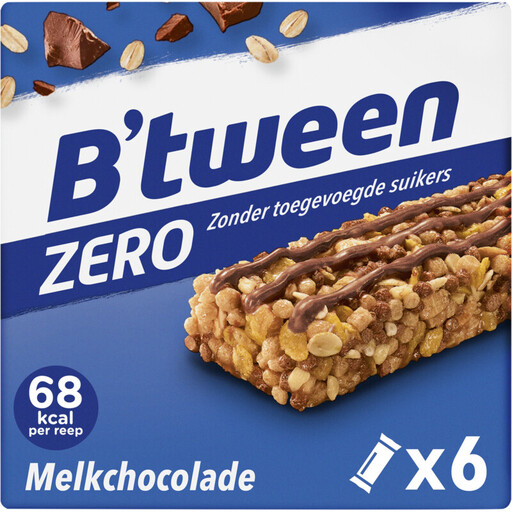
Why it suits this profile: Individually wrapped bars with a stated energy content of around 68 kcal per piece are practical for building your first supply of healthy snacks.
The portion is clearly defined. However, make sure you do not confuse the no-added-sugar claim with being low in carbohydrates: these bars contain a lot of carbohydrates and polyols.
Individual packaging, a limited portion and little stated sugar per 100 grams. Contains cereals with gluten, milk and peanuts, among other ingredients.
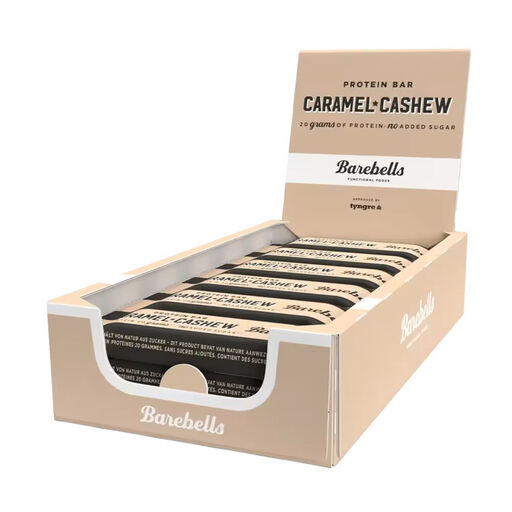
Why it suits this profile: Ideal if you are looking for a reliable supply of protein bars with clear protein and sugar content per bar.
The nutritional information per serving makes comparison easy: 20 g of protein, 1.5 g of sugar and 200 kcal per bar according to the product details. The bar does contain polyols.
20 g of protein, approximately 3.1 g of fibre and a multipack of 12 bars. Contains milk, cashew nuts and peanuts; excessive consumption of polyols may have a laxative effect.

Why it suits this profile: An option for athletes who want to combine a high protein content with a low sugar content per serving.
The product information states 25 g of protein, 0.7 g of sugar and 179 kcal per bar. If you have an allergy, pay particular attention to the listed ingredients and warnings.
25 g of protein per 50 g, 179 kcal and 0 g of polyols according to the product details. Contains milk and soya, among other ingredients; check the current packaging.
We have put together a complete, up-to-date list of products that fully meet these strict selection criteria and the applicable European safety regulations.
Choose a product with a clearly defined portion, sturdy packaging and nutritional values that match your goal. Individually wrapped muesli bars or protein bars are easy to take with you. For a savoury option, you could consider konjac snacks or crackers, for example, but always check the salt, calorie and allergen information.
Examples from this selection include Barebells Protein Bars with 20 grams of protein per 55 grams, Grenade Carb Killa with 20 grams per 60 grams and the XXL Nutrition bar with 25 grams per 50 grams. The exact composition may vary by flavour. Always compare the product page and packaging before ordering.
No. According to the product information, Klene Sugarfree Salty Ovals contain 0 grams of sugar and 190 kcal per 100 grams, but do contain 53 grams of carbohydrates, mainly from sweeteners. Polyols can also have a laxative effect if consumed excessively. Therefore, enjoy sugar-free sweets as a small treat rather than as a replacement for a full meal.
