
Vandaag of morgen in huis

Kwaliteit gegarandeerd

Welkomstaanbiedingen ontgrendelen: GRATIS bezorging | Tot 80% korting | Gratis 30 dagen JoyPlus-proefperiode
Download de app
A packet with words such as “0% added sugar”, “high protein” or “wholegrain” can seem like an obvious choice. But these claims don’t tell the whole story. If you’re buying healthy snacks for work, exercise or eating on the go, it’s worth looking beyond the front of the packet.
The main pitfalls are usually:
The table per 100 grams makes it easier to compare products. For everyday use, serving size is just as important. For example, a 30-gram bar containing 20 grams of protein per 100 grams provides around 6 grams of protein. So check:
Dutch and European labelling rules require nutritional information and allergens to be clearly stated on the packet. Use the online product page as a first point of comparison, but check the physical label when your order arrives too. Recipes and packaging can change.
A protein bar is primarily designed to provide more protein. That can make it a convenient option after exercise or between meals, but it won’t automatically suit every situation. Some bars contain milk proteins, whey, collagen or soya.
A cereal bar or granola bar often contains cereals, seeds, nuts, fruit or chocolate. Protein content varies considerably. A product with 0% added sugar may also contain sweeteners or fibre syrup.
For breakfast or a light lunch, granola, breakfast cereals and crispbread are often more flexible. You can choose your own portion and pair them with yoghurt, fruit, cottage cheese, cheese or a plant-based alternative. With granola, keep an eye on the amount of sugar and oil, as well as the serving size.
Individually wrapped bars are handy as snacks on the go. Look out for:
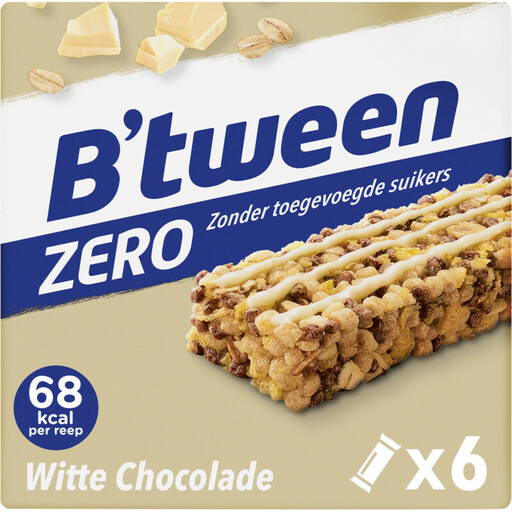
Why it suits this profile: Individually wrapped bars are easy to take to work, school or on the go. According to the product information, each bar contains 68 kcal and has no added sugar.
As well as sugars, the nutritional information lists 42 grams of polyols per 100 grams. This shows that “no added sugar” doesn’t mean sugar-free.
A small, individually wrapped portion that’s handy on the go. According to the label, it contains oats, barley, wheat, milk and peanuts, among other ingredients.
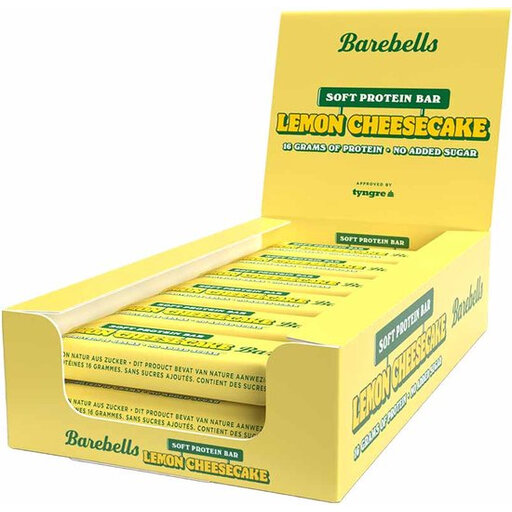
Why it suits this profile: This multipack is aimed at those who regularly enjoy a high-protein snack and want a soft texture with a distinctive flavour.
The product information states that each bar contains 20 grams of protein and lists milk as an allergen. This lets you check the protein content and whether it suits your diet in advance.
20 grams of protein per bar according to the product description. Individually wrapped and supplied in a pack of 12.

Why it suits this profile: A good choice if you’re looking for high-fibre snacks for home, breakfast or lunch, and want to choose your own toppings.
The product information states that it is made with 100% wholegrain rye and contains 19 grams of dietary fibre per 100 grams. It also clearly states that it contains gluten-containing cereals.
19 grams of fibre and 10 grams of protein per 100 grams, according to the product information. Enjoy with savoury or sweet toppings.
We’ve put together a complete, up-to-date list of products that meet these strict selection criteria and the applicable European safety regulations.
Choose an individually wrapped bar or a portion of crispbread, depending on what you need. Pay particular attention to the amount of sugar, protein and fibre, and check the allergens. A protein bar is handy if you’re looking to eat more protein; a cereal bar may be a lighter option, but its nutritional profile varies considerably by recipe.
No. “Sugar-free” and “no added sugar” don’t mean the same thing. Check the polyols, fat, fibre and energy content, as well as the full ingredients list. Products containing maltitol or other sweeteners may have a laxative effect if consumed in excess, as stated on several product labels.
Protein bars are convenient, but compare the protein content of the whole bar. Granola with soya, seeds or nuts can also provide protein. Enjoy your snack alongside a normal, varied meal, and bear allergens and your personal dietary goals in mind.
