
Vandaag of morgen in huis

Kwaliteit gegarandeerd

Welkomstaanbiedingen ontgrendelen: GRATIS bezorging | Tot 80% korting | Gratis 30 dagen JoyPlus-proefperiode
Download de app
When you’re looking for healthy snacks, you’ll quickly come across terms like “sugar-free”, “natural” and “low-calorie” online. But these words only mean something once you check the ingredients list, nutritional information and portion size. A snack that suits an active day might be completely unsuitable for someone with a nut allergy or a strict diet.
A sugar-free snack may contain little or no sugar, but could still include sweeteners, thickeners or other additives. So don’t just look at “of which sugars” – check the full ingredients list too. With konjac jelly, for example, erythritol, sweeteners, fruit concentrate and gelling agents may be used.
“Naturally sweetened” also doesn’t always mean a product is low in sugar. Dried fruit naturally contains concentrated sugars. So check the nutritional values per 100 grams and think about how much you’ll actually eat.
A bag of nuts or dried fruit can look modest, but nuts are relatively high in energy per 100 grams. The Cranberry mix unsalted 200 g, for instance, lists 560 kcal and 39.8 grams of fat per 100 grams. That doesn’t make the mix unsuitable, but it’s wiser to measure out a portion than to eat straight from the bag.
With jelly, the opposite can happen: the packet may be low in calories, but it could provide less protein and fibre than a nut- or fruit-based snack.
“Gluten-free” and “free from allergens” are product characteristics you need to verify on the label. A nut and cranberry mix contains cashews, almonds and walnuts, and may contain traces of peanuts and other nuts. So this mix isn’t a logical choice for anyone who needs to avoid nuts.
For products with a claim about vitamins or other nutrients, base your choice on the official product information. According to the product description of Hethstia, the konjac jelly variants contain vitamin C; that alone doesn’t mean the snack replaces a meal or a complete source of nutrition.
Start with the first ingredient – that’s usually the one present in the largest amount. Then check:
You can’t recognise a low-calorie snack just from the front of the packet. Hethstia Konjac Jelly Peach lists 4 kcal per 100 millilitres, while the mango variant lists 3 kcal per 100 millilitres. According to the product information, both products contain 0 grams of sugar, fat and salt per 100 millilitres.
In contrast, the cranberry and nut mix has 560 kcal per 100 grams, 15.4 grams of protein and 6.7 grams of fibre. So the choice depends on your goal: a light sweet snack for on the go, or a compact snack with nuts and more energy.
For a snack on the go, weight, closure and preparation method are important. A squeezy pouch of konjac jelly is ready to use straight away. According to the product information, Hethstia must be stored in the fridge after opening and consumed within two days.
Dried fruit and nuts, on the other hand, should be stored in a cool, dry place and kept tightly sealed. Always check the best-before date on the packaging. With konjac jelly that has a firm or elastic texture, it’s also important to follow the usage instructions and chew thoroughly.
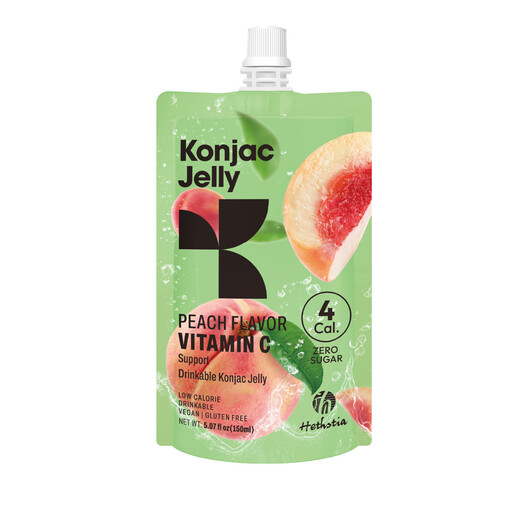
Why this fits the profile: The individual pouch is ready to use straight away, and the product information lists 4 kcal per 100 millilitres and 0 grams of sugar.
The nutritional values are clearly stated; just check the sweeteners and ingredients before you order.
Individually packed, ready to use and, according to the product description, sugar-free and gluten-free.
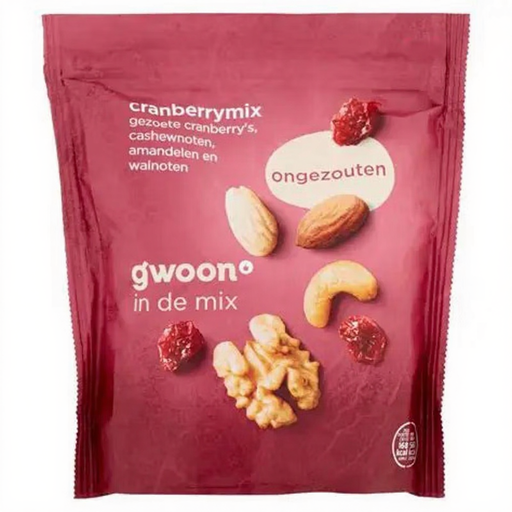
Why this fits the profile: This nut mix combines 25% cashews, 25% almonds, 20% walnuts and 30% sweetened cranberries.
The composition and nutritional values are clearly stated; just be aware of the added sugar in the cranberries.
15.4 grams of protein, 6.7 grams of fibre and just 0.05 grams of salt per 100 grams according to the product information.

Why this fits the profile: According to the product information, the grapefruit jelly is ready to use straight away and lists 0 kcal per 100 millilitres.
The packaging gives a recommended daily amount of one piece and asks you to chew thoroughly.
Portion-packed, grapefruit flavour and konjac flour for an elastic texture.
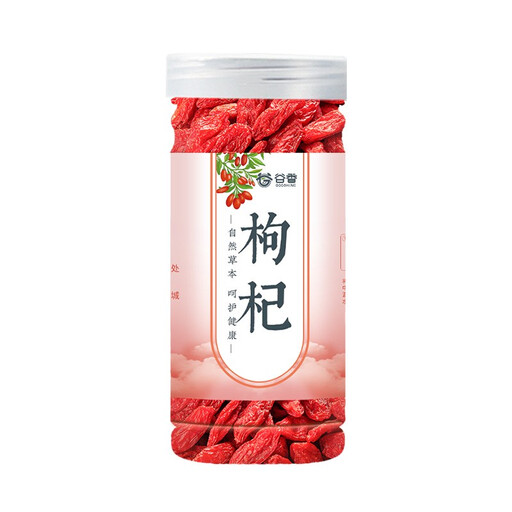
Why this fits the profile: According to the product information, this product consists of goji berries and you can eat them straight away or use them in tea, soup and porridge.
The ingredients list is short; just check the actual packaging for any extra additions and nutritional values.
150 grams, ready to eat and suitable for multiple uses in breakfast or drinks.
We’ve put together a full, up-to-date list of products that fully meet these strict selection criteria and comply with current European safety regulations.
A konjac jelly in an individual pouch is practical because you don’t need to prepare anything. Check the best-before date, storage instructions and ingredients. For a snack with more energy, nuts or a nut mix are more suitable, but measure out a portion in advance.
Usually not. Dried fruit often contains natural sugars in concentrated form. With the dried dragon fruit from OHLA, for example, the product information lists 57.5 grams of sugar per 100 grams. Also check whether sugar or sulphur dioxide has been added to the product, because the composition can vary per packet.
Only choose a gluten-free snack when this is clearly stated on the label or in the product information. The Hethstia konjac jelly variants are described as gluten-free. With nuts, dried fruit and other snacks, it’s wise to check the allergen information and possible traces again before you order.
