
Vandaag of morgen in huis

Kwaliteit gegarandeerd

Welkomstaanbiedingen ontgrendelen: GRATIS bezorging | Tot 80% korting | Gratis 30 dagen JoyPlus-proefperiode
Download de app
Choosing a protein bar might seem straightforward: compare the flavours, check the protein content and order a multipack. But protein bars can vary considerably. For example, a low sugar content doesn’t automatically mean a product is low in calories. And a bar that’s high in protein may contain polyols, which can cause digestive discomfort for some people.
In this buying guide from the Joybuy Product Recommendation Officer, you’ll find out which specifications to check before buying protein bars and which options suit different occasions.
“No added sugar” doesn’t mean that a bar contains no sugars. The nutrition table shows how much sugar is actually in each serving. Sweeteners such as maltitol, sorbitol or xylitol may also be used. Consuming a large amount of polyols can have a laxative effect. So always check both sugars and polyols.
A 55 g bar with 32 g of protein per 100 g contains around 18 g of protein per bar. That’s not the same as 32 g per bar. So compare products on a like-for-like basis: ideally, check protein per serving, calories per bar and serving size.
Many high-protein bars contain milk, soya, nuts or gluten. A soft bar may also feel different from a crunchy oat bar because of ingredients such as maltitol or glycerol. If you have allergies or intolerances, read the ingredients list and check the packaging for each flavour.
For a protein bar after exercise or a high-protein snack between meals, it’s helpful to check the number of grams of protein in each individually wrapped bar. The products in this selection contain between 16 and 25 g of protein per bar. This makes portion sizes easy to keep track of, but the right amount depends on your overall daily diet.
The EU-approved nutrition claim “high protein” refers to the proportion of protein in a product. So don’t just look at the front of the packaging: check the nutrition table too.
If you’re looking for a low-sugar protein bar, compare at least these three values:
A low sugar content says nothing about the total calorie content. A bar may still contain fats, carbohydrates or sweeteners. If a bar is high in polyols, it’s best to stick to the recommended serving.
Check whether the bar contains milk protein, collagen, soya, peanuts, nuts, egg or gluten. Product information may vary by flavour. If you have a known allergy, always follow the information on the packaging; product details on a webshop may change.
Also consider the pack size. A box of 12 protein bars is handy for home, the office or your gym bag, while a smaller multipack may be a better choice if you’d like to try a flavour first.
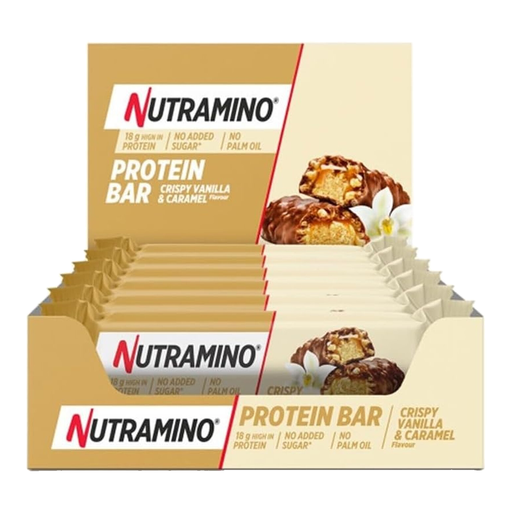
Why it suits this profile: This box contains 12 bars of 55 g each, making it a handy option if you like to have a high-protein snack ready to go.
The nutritional values are listed per bar: 18 g protein, 2.1 g sugar and 210 kcal. This makes it easy to compare serving sizes.
12 individually wrapped bars, 18 g of protein per bar and a combination of vanilla, caramel and crunchy soya crispies.
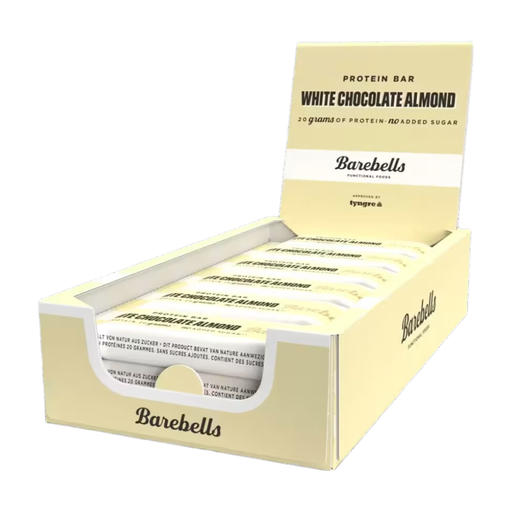
Why it suits this profile: An option for anyone who values clear nutritional information and a soft, chewy texture.
The product information lists 20 g of protein, 1.3 g of sugar and 204 kcal per bar. It also states that the bar contains 5 g of polyols, which is useful information when making your choice.
20 g of protein per 55 g bar, 4 g of fibre and a white chocolate and almond flavour. Contains milk, soya and nuts; check the allergen information.
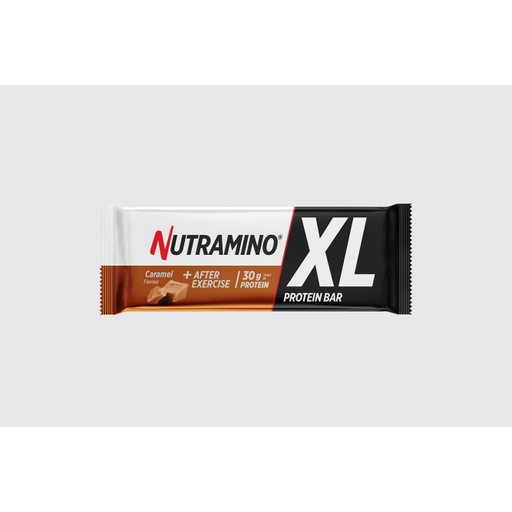
Why it suits this profile: The larger size is a good fit for long days, intensive activities or times when you’re looking for more carbohydrates as well as protein.
The serving size is 74 g, with 25 g of protein, 30 g of carbohydrates and 284 kcal. This makes it clear straight away that it’s not a small snack portion.
25 g of protein per bar, a soft centre with soya crispies and a chocolate caramel flavour. Contains milk and soya.
We’ve put together a complete, up-to-date list of products that meet these strict selection criteria and current European safety regulations.
A protein bar can work as a high-protein snack between meals, after a workout or as one of your protein bars for on the go. Think of it as a supplement to your usual diet, not a replacement for a varied eating pattern.
If you’re specifically looking for a snack to support muscle recovery, check the protein content per serving and your overall nutritional intake. The claim that protein contributes to the growth and maintenance of muscle mass is an authorised nutrition claim; the product itself is not a medical treatment.
They can be a convenient option, especially if you can’t have a meal straight away. Check the amount of protein, calories and carbohydrates per bar. A protein bar after exercise can fit into your diet, but it isn’t essential for everyone.
That depends on your overall diet, energy needs and the bar’s ingredients. Stick to the recommended serving and, if you’re eating several bars, keep an eye on the amount of sweeteners and polyols. A varied diet should remain the priority.
Follow the instructions on the label. Usually, this means storing them in a cool, dry place, away from direct sunlight. Don’t leave bars in a hot car for long periods. Before eating one, check the best-before date, packaging and current allergen information.
