
Vandaag of morgen in huis

Kwaliteit gegarandeerd

Welkomstaanbiedingen ontgrendelen: GRATIS bezorging | Tot 80% korting | Gratis 30 dagen JoyPlus-proefperiode
Download de app
When you’re looking for healthy snacks, you’ll quickly come across terms like organic, high-protein, gluten-free, vegan and low-calorie. These descriptions can be useful, but they don’t automatically tell you whether a product suits your particular eating occasion. A snack for on the go, for example, requires a different portion size than a product you’ll eat at home.
As Joybuy’s Product Recommendation Officer, I filter product information by verifiable points: ingredients, nutritional values, allergens, packaging and ease of use. This way, you avoid letting a flashy front-of-pack design become more important than the information on the label.
A muesli bar with grains or nuts can also contain syrups, chocolate and relatively high amounts of sugar. So don’t just look at words like “natural” or “pure ingredients” – check the ingredients list too. Ingredients are listed in descending order of quantity.
A nut bar, for example, can provide protein and fibre, but due to its energy density it can still contain a lot of calories per small portion. That doesn’t make it unsuitable, but it does make it less fitting if you’re specifically looking for low-calorie snacks.
The label usually shows the nutritional value per 100g. A product may also indicate a much smaller portion size. With Leev lentil waffles, for instance, 28 kcal per waffle is stated, while the table shows 362 kcal per 100g. So always compare the same unit.
Pay particular attention to:
Check the allergen information, even if a product appears to be based on pulses, rice or konjac. Leev BIO Chickpea Waffles are described as gluten-free, but the product information does mention soya. With some konjac snacks, soya, sesame and wheat are explicitly listed as allergens.
If you have an allergy or intolerance, the packaging is the deciding factor. Also look for warnings such as “may contain traces”. What’s more, an organic snack isn’t automatically gluten-free, vegan or low-calorie.
With organic snacks, check whether the ingredients are stated as coming from organic farming. The term organic on its own says nothing about the sugar, fat or salt content. An organic nut bar, for example, remains an energy-dense snack.
For vegan snacks, check for milk, milk fat, honey, gelatine and other animal-derived ingredients. The MadeGood B’Day Cake Drizzled Granola Bar is described in the product information as vegan and organic. Always check the current label at the time of purchase.
A snack high in protein isn’t automatically the right choice for every occasion. According to the stated table, Leev BIO Lentil Waffles Natural contains 27.3g of protein per 100g and 5.4g of fibre. However, the portion is smaller than 100g. So work out how much you’ll actually be eating.
Nuts, seeds and pulses can also feature in a snack. Bio+ Pumpkin Seeds consist, according to the product information, of pumpkin seeds from organic origin. They are suitable for portioning yourself, for example in a lunchbox or nut mix.
For snacks on the go, individually wrapped bars or small bags are practical. They also help you choose a portion in advance. A large bag of nuts or seeds is better value per gram, but makes it harder to judge the amount when eating from the bag.
Store dry snacks in a cool, dry place, away from sunlight and in a sealed container. Check the best-before information before consuming, and don’t use a packet if it’s damaged.
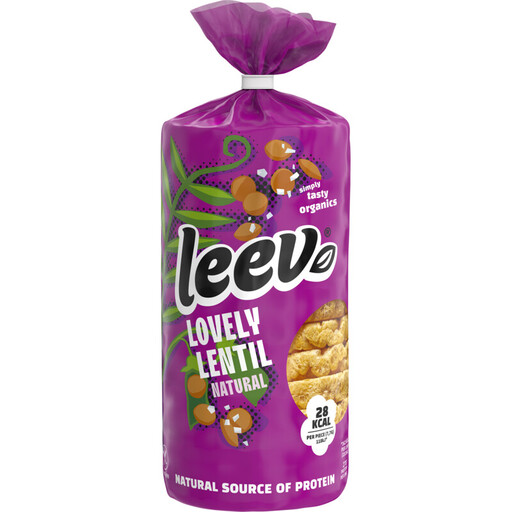
Why this fits the profile: A straightforward option for anyone wanting to compare organic and gluten-free snacks without a long ingredients list. According to the product information, the waffles consist of 99.5% lentil flour and sea salt.
The nutritional information states both the values per 100g and the details per waffle. This makes it easier to compare the portion against other snacks.
Stated as organic, described as gluten-free, 27.3g protein and 5.4g fibre per 100g.
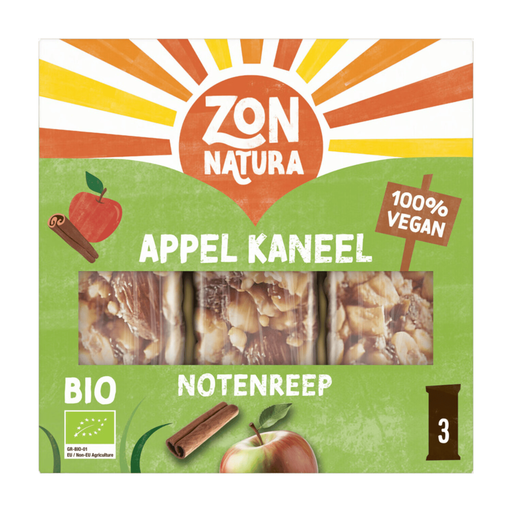
Why this fits the profile: A compact organic nut bar for work, travel or a busy school day. The combination of peanuts, almonds, apple, raisins and cinnamon gives a clear ingredients structure.
The bars are individually wrapped at 25g each. However, do note the energy value of 528 kcal per 100g and the stated 24g of sugars per 100g.
Organic ingredients, 19g protein and 7.1g fibre per 100g, with three separate bars.

Why this fits the profile: For fans of savoury, spicy Asian flavours who want a small snack for on the go. The pack contains 50g and the product is ready to eat.
The table states 68 kcal per 100g, but also 3.1g of salt per 100g. “Low-calorie” here does not automatically mean low in salt.
68 kcal per 100g according to the product information, with konjac as the main ingredient and a ready-to-eat portion.
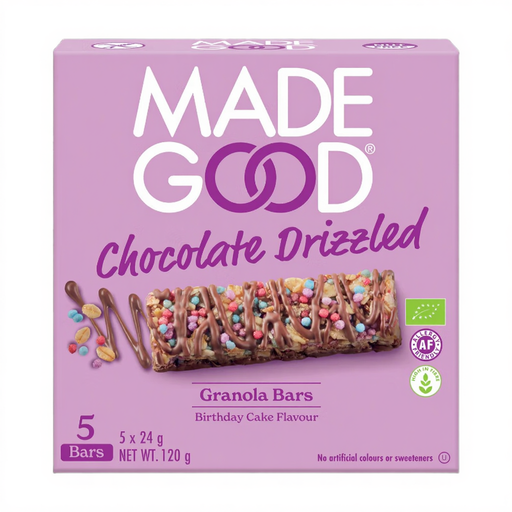
Why this fits the profile: An option for anyone wanting to combine vegan and organic with a sweet granola bar. According to the product information, the bar contains gluten-free oats and is described without the most common allergens.
The table makes it clear that the bar contains 26g of sugar and 436 kcal per 100g. This keeps it visible that vegan and organic are not the same as low-calorie.
Vegan and organic according to the product description, with 5g of fibre per 100g and a 120g pack.
We’ve put together a full, up-to-date list of products that fully meet these strict selection criteria and comply with current European safety regulations.
Choose a portion you can judge in advance, such as an individual nut bar, lentil waffle or small konjac bag. Check that the packaging seals securely and that the snack can be stored without refrigeration. For longer journeys, dry products are often more practical than snacks with a limited shelf life.
No. Organic snacks are made with ingredients from organic farming, but they can still contain a lot of energy, sugar or fat. So compare an organic nut mix, nut bar or muesli bar on kcal per portion, not just on the organic certification.
Products based on lentils, chickpeas or rice can be gluten-free, but always check the statement on the packaging and the allergen information. With composite products, look out for wheat, barley, oats and possible cross-contamination. If you have an allergy or medical need, the current label should always be the deciding factor.
